LOOP
A digital platform designed to connect students, simplify collaboration, and spark meaningful teamwork.
Overview
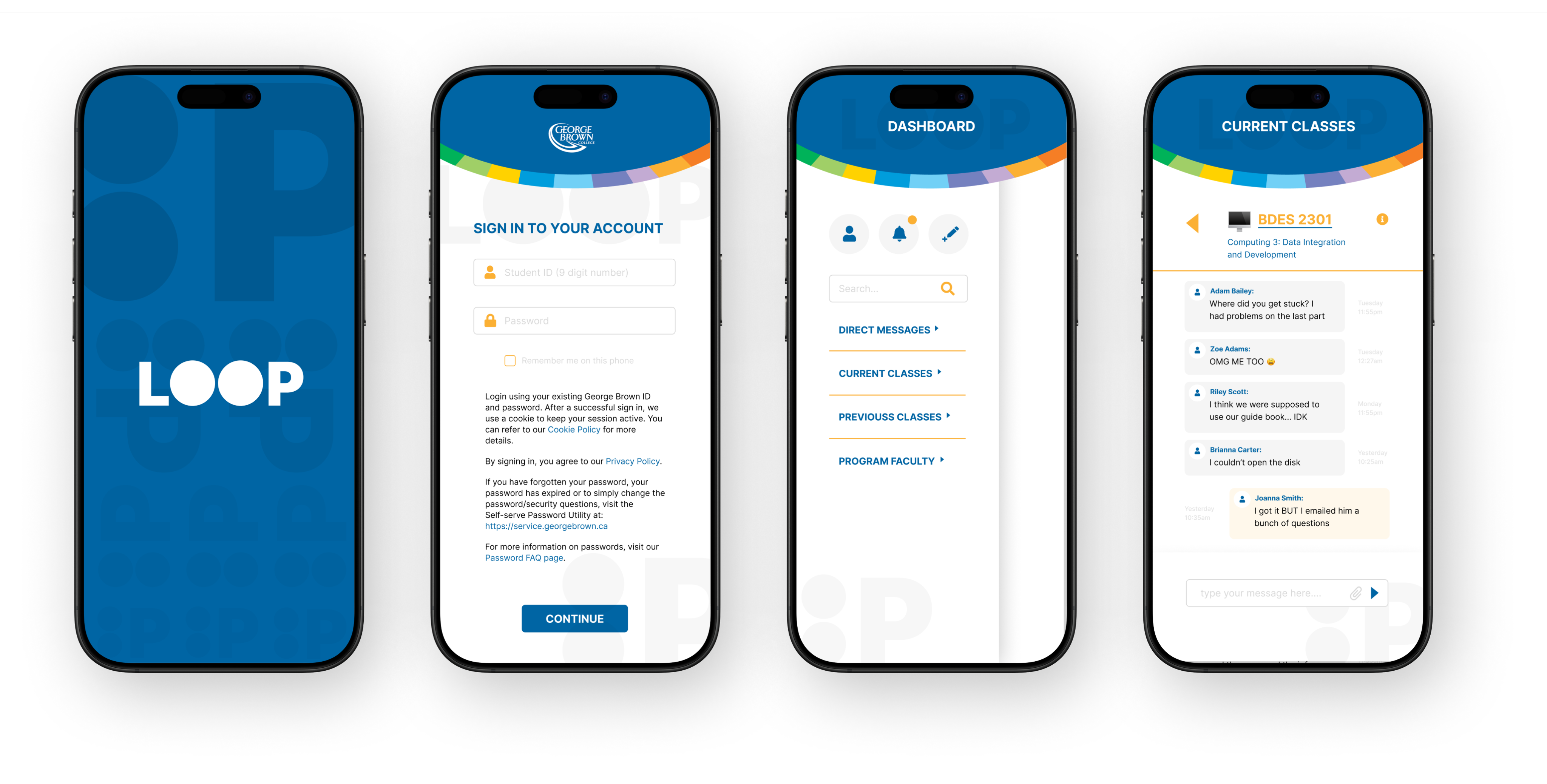
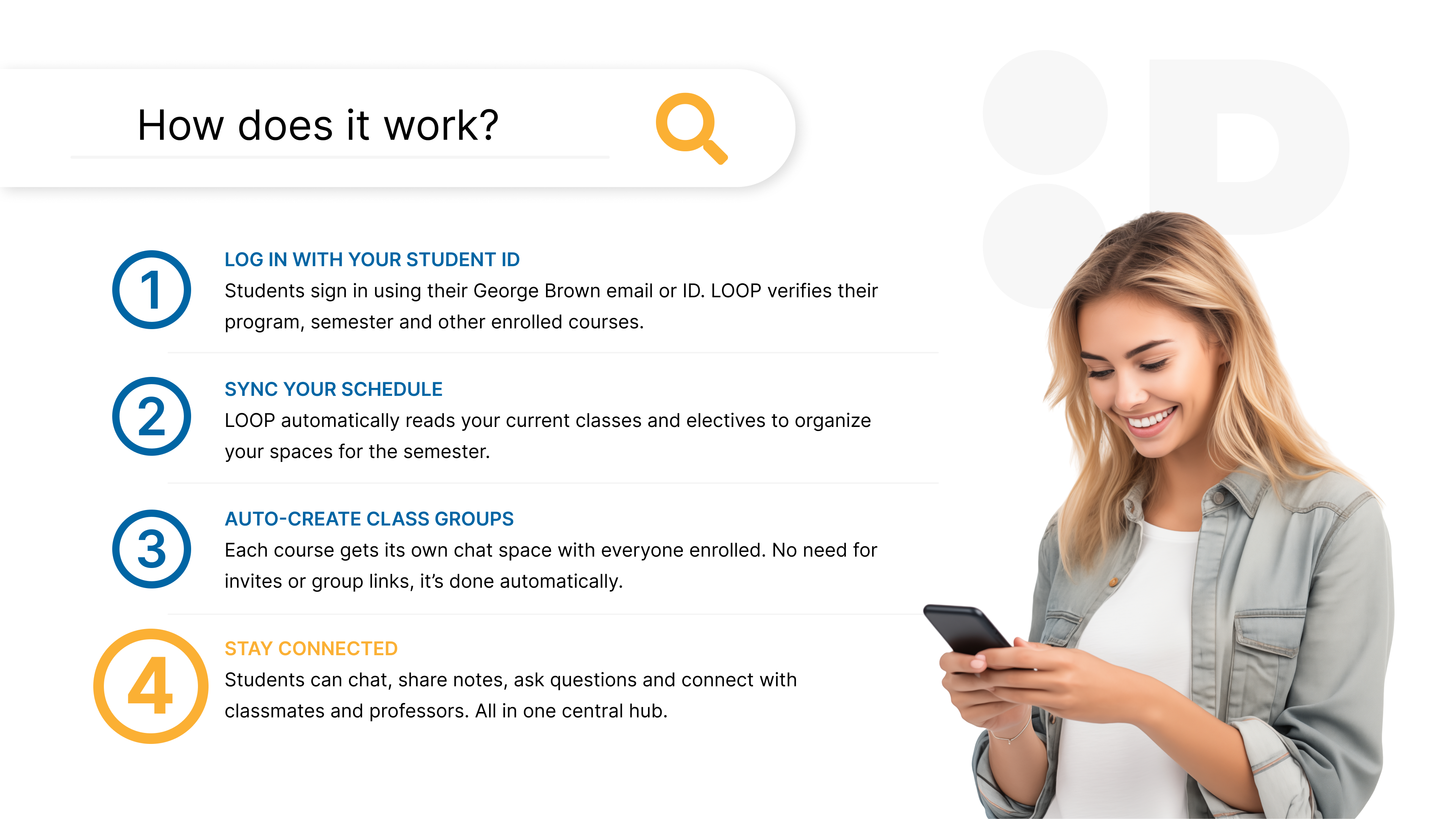
Loop is a centralized class-communication platform built to solve the fragmentation of student messaging at George Brown College. It automatically organizes class chatrooms based on a student’s schedule, connects classmates from current and past courses, and provides clean class information pages and direct messaging features. Instead of juggling multiple apps or missing important updates, Loop gives students and professors one place to communicate, collaborate, and stay informed.
MY ROLE
As the sole designer of this prototype, I worked across both UX and system structure to ensure the platform was functional and intuitive. My contributions included:
- Designed the user experience, interface layouts, and navigation structure
- Built the core platform logic, including class enrolment and messaging
- Structured the database to store and deliver real-time class information
- Prototyped and tested the interface to refine clarity and usability
INSPIRATION

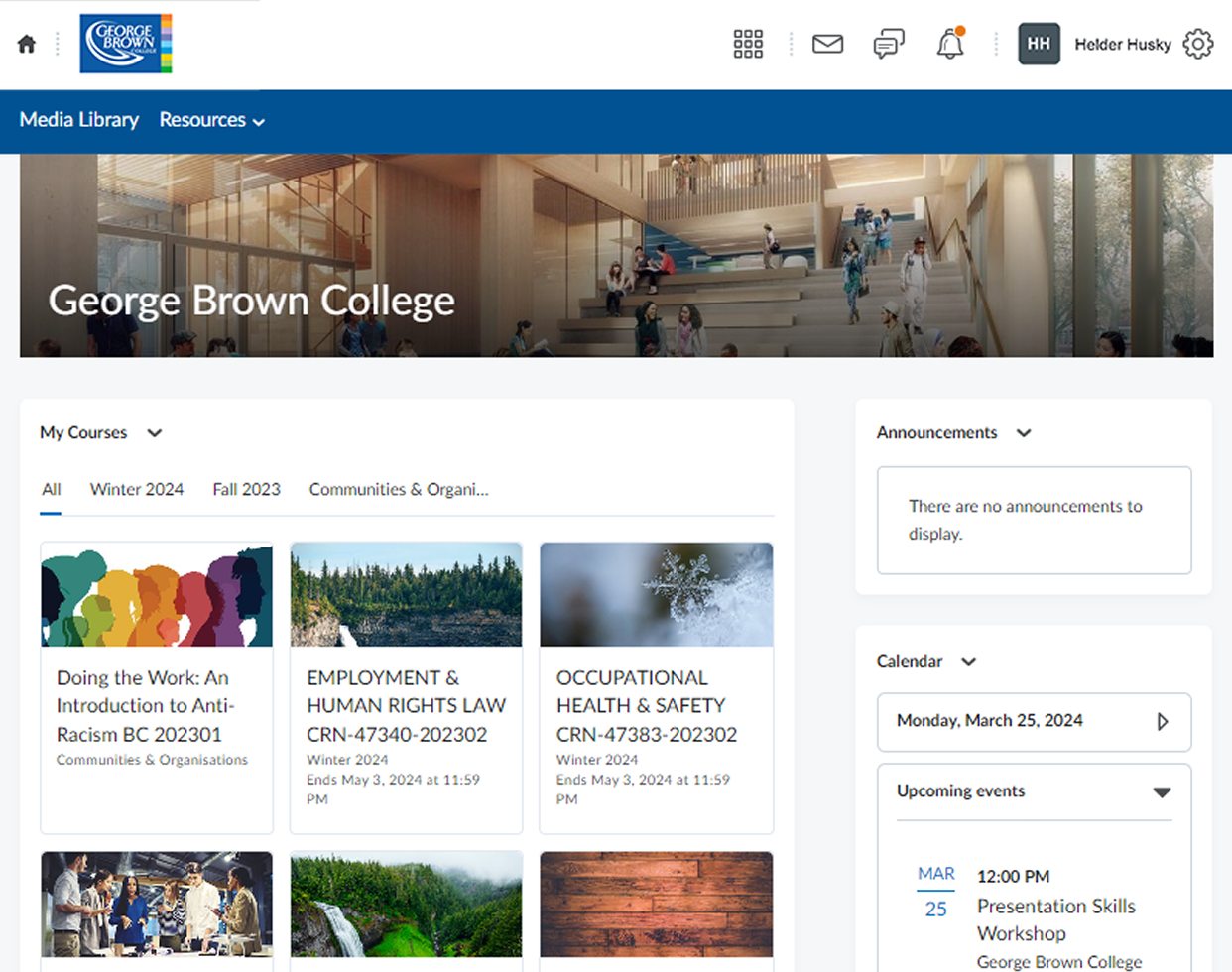
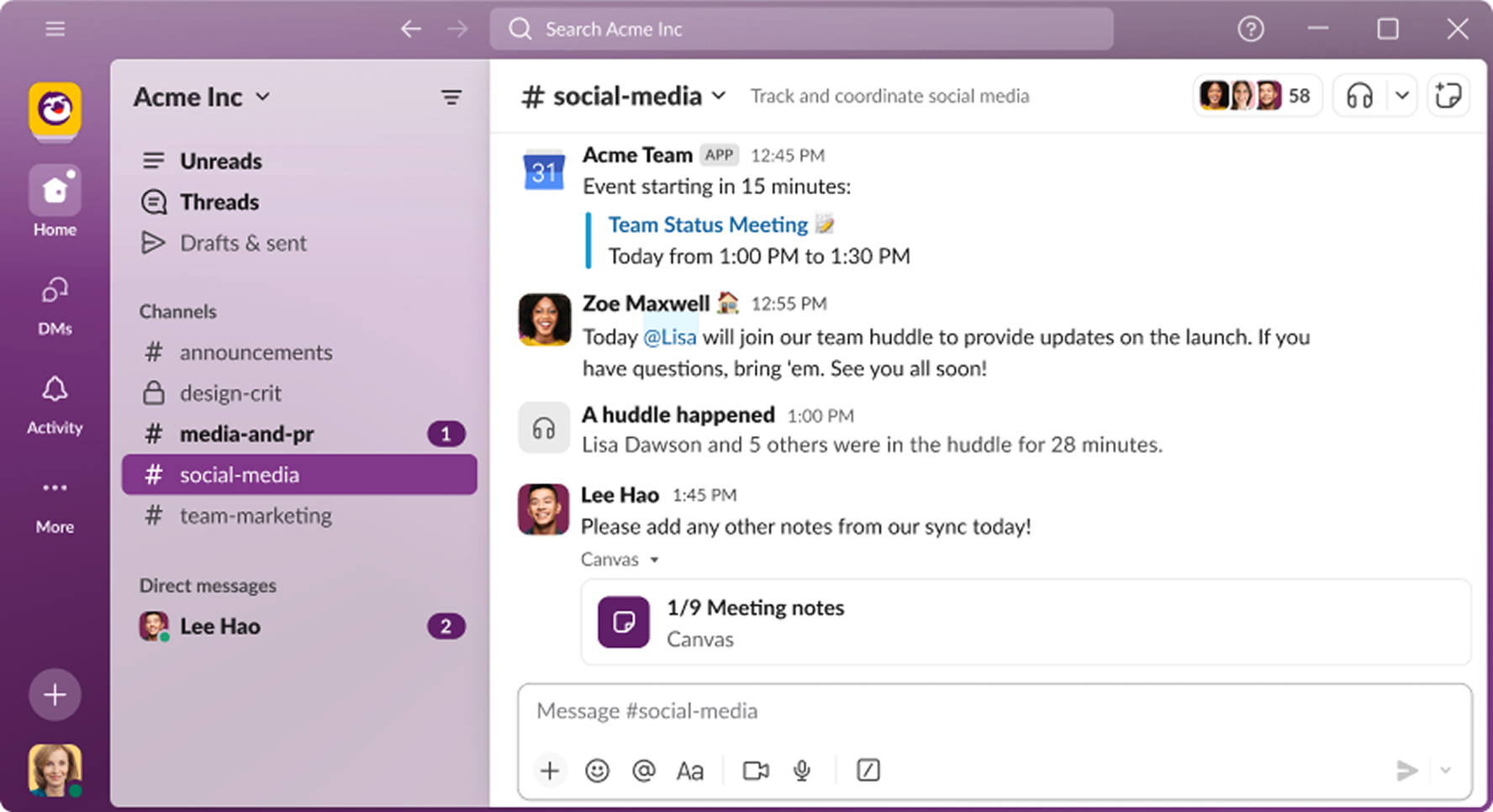
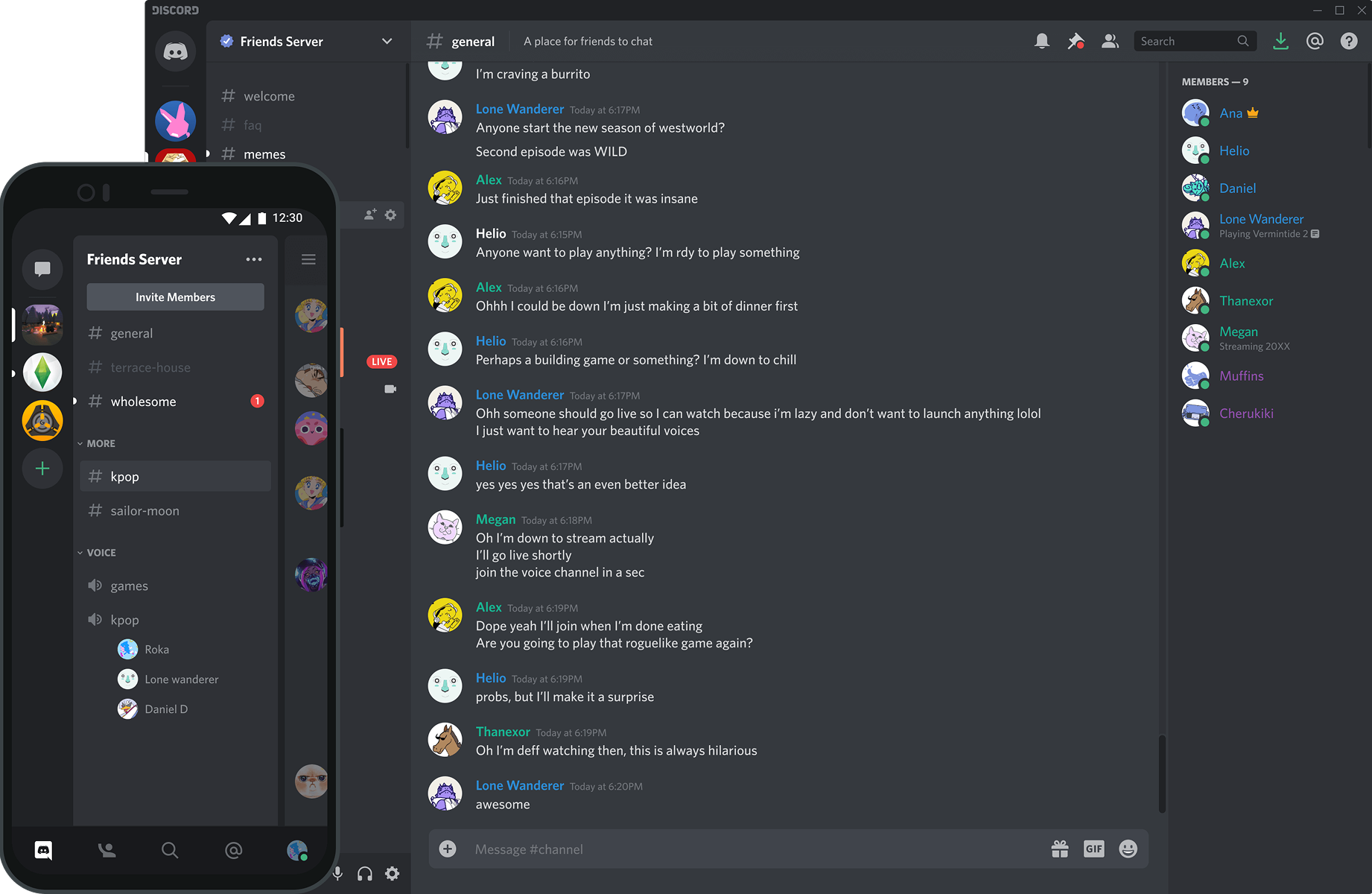
PROBLEM
Students struggle to communicate efficiently because there is no centralized platform for class discussions at GBC. Class chats exist in random apps, some classes never get one at all, and important updates are often lost. Finding the correct chat is confusing, onboarding new users is messy, and professors have no reliable channel to communicate with students. We wanted to eliminate searching, scattered tools, and inconsistent participation.
OUTCOME
The final prototype is a full communication tool with automatic class enrolment, direct messaging, class history pages, and structured information screens. It simplifies school communication, reduces friction, and creates one organized digital space for every student. Loop demonstrates strong UX thinking paired with complete functional development, solving a real problem while showcasing system design and product clarity.
MAIN TOOLSET
 Antigravity
 Chat GPT
 Figma
Figma
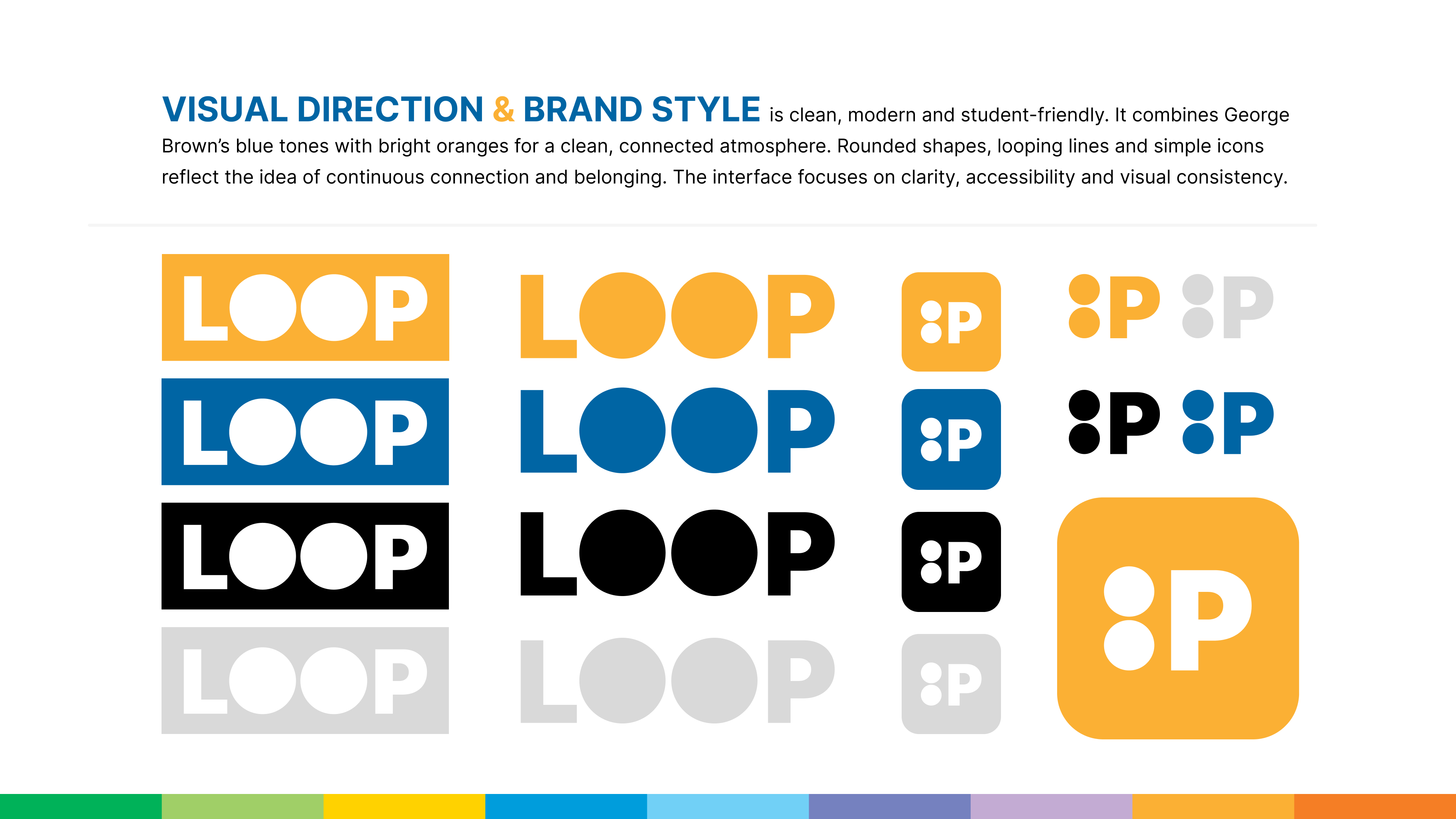
Interactive Figma Prototype
CREDITS
Created independently under the guidance of Professor Ryan Silver.