RIPLEY'S AQUARIUM
Enhancing indoor navigation through clear visual systems and strategic spatial cues.
Overview
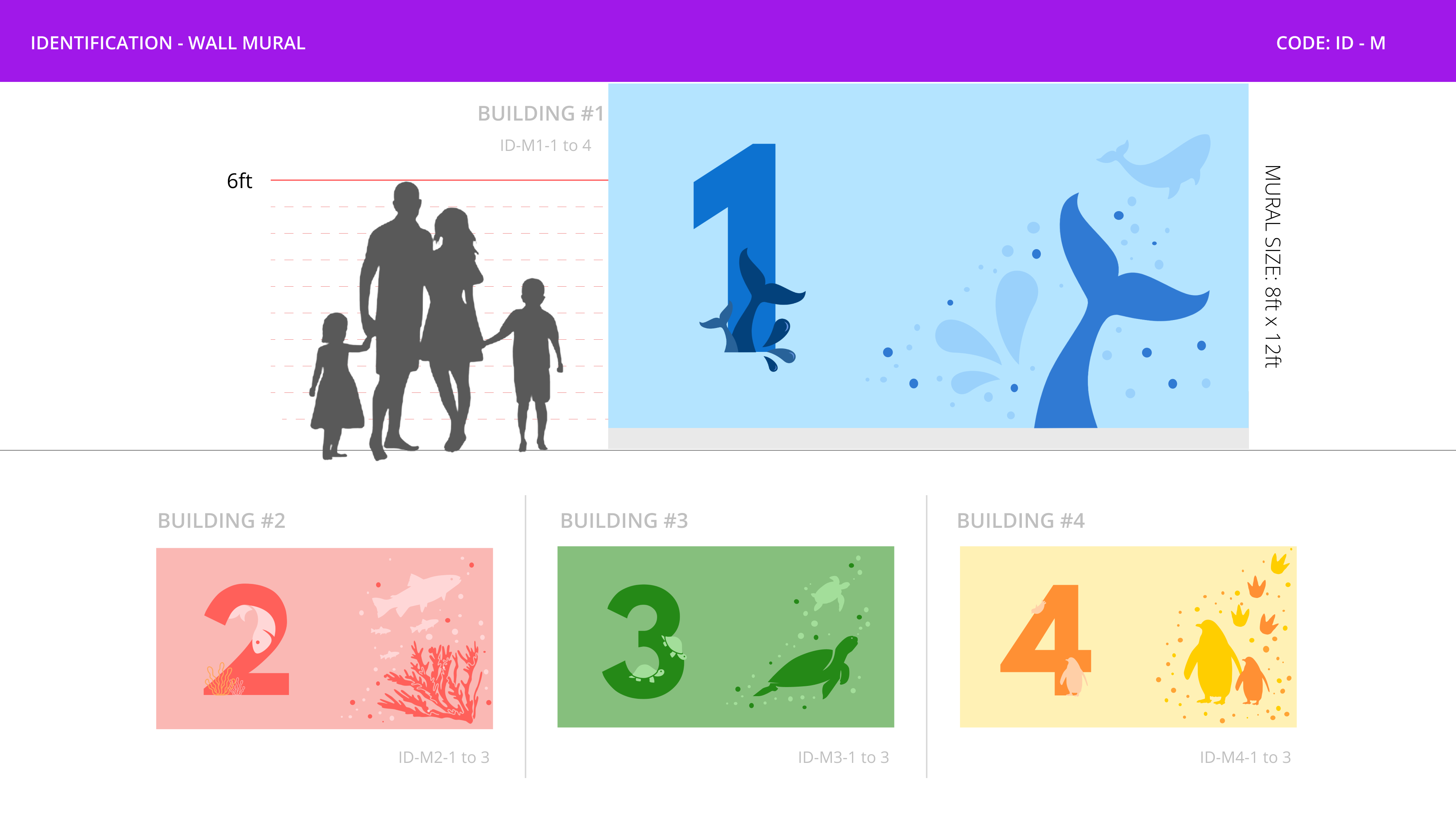
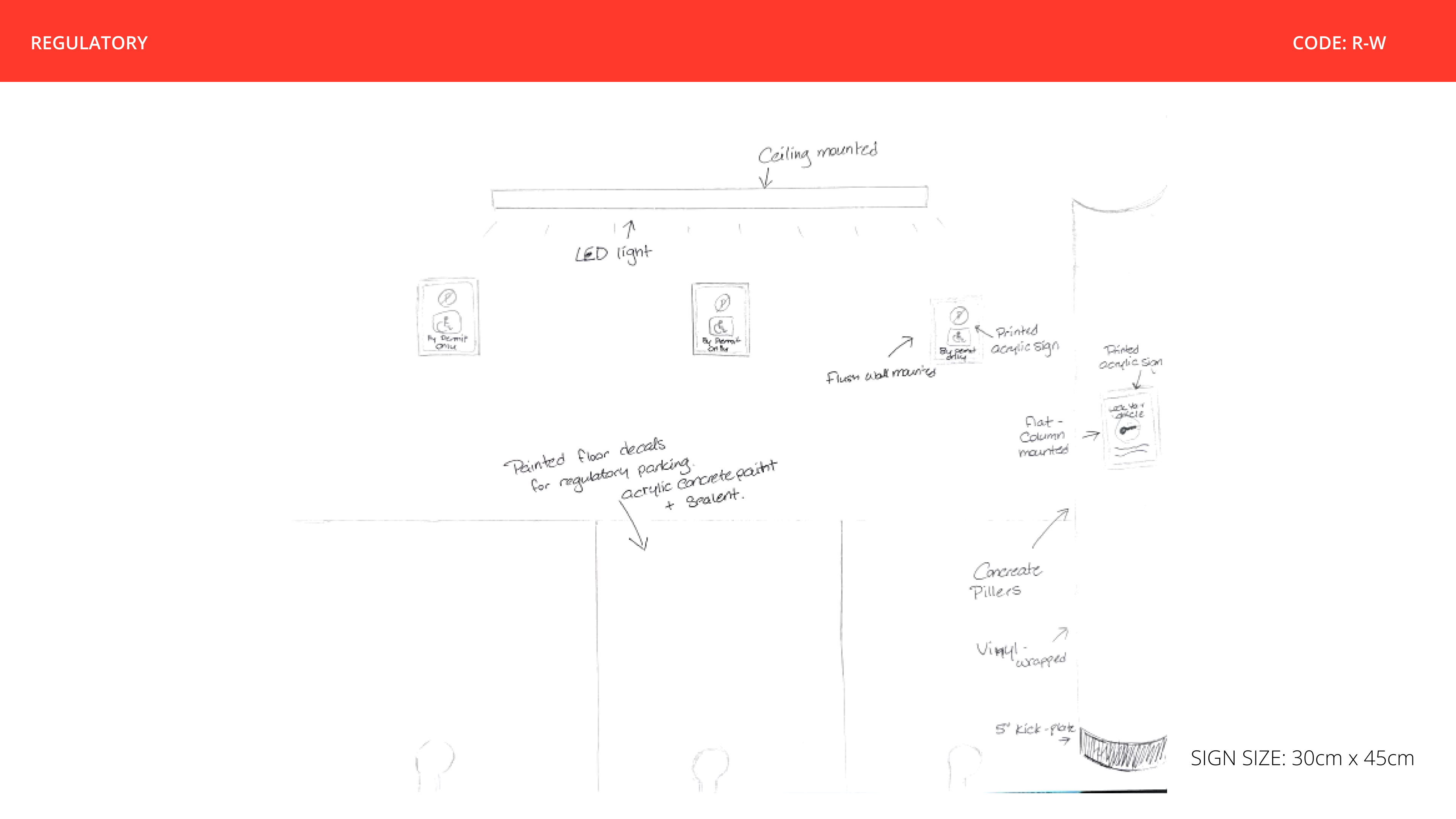
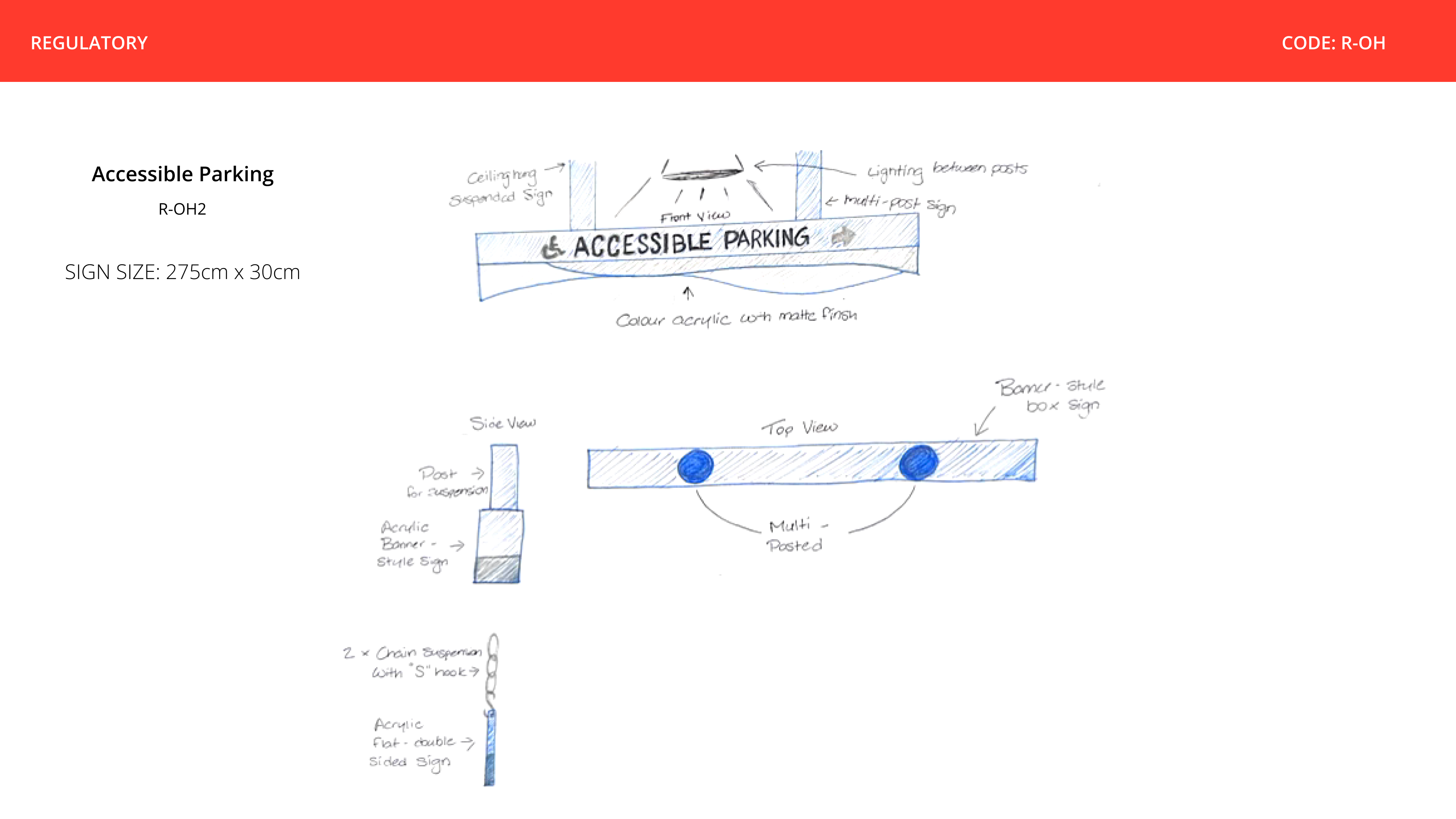
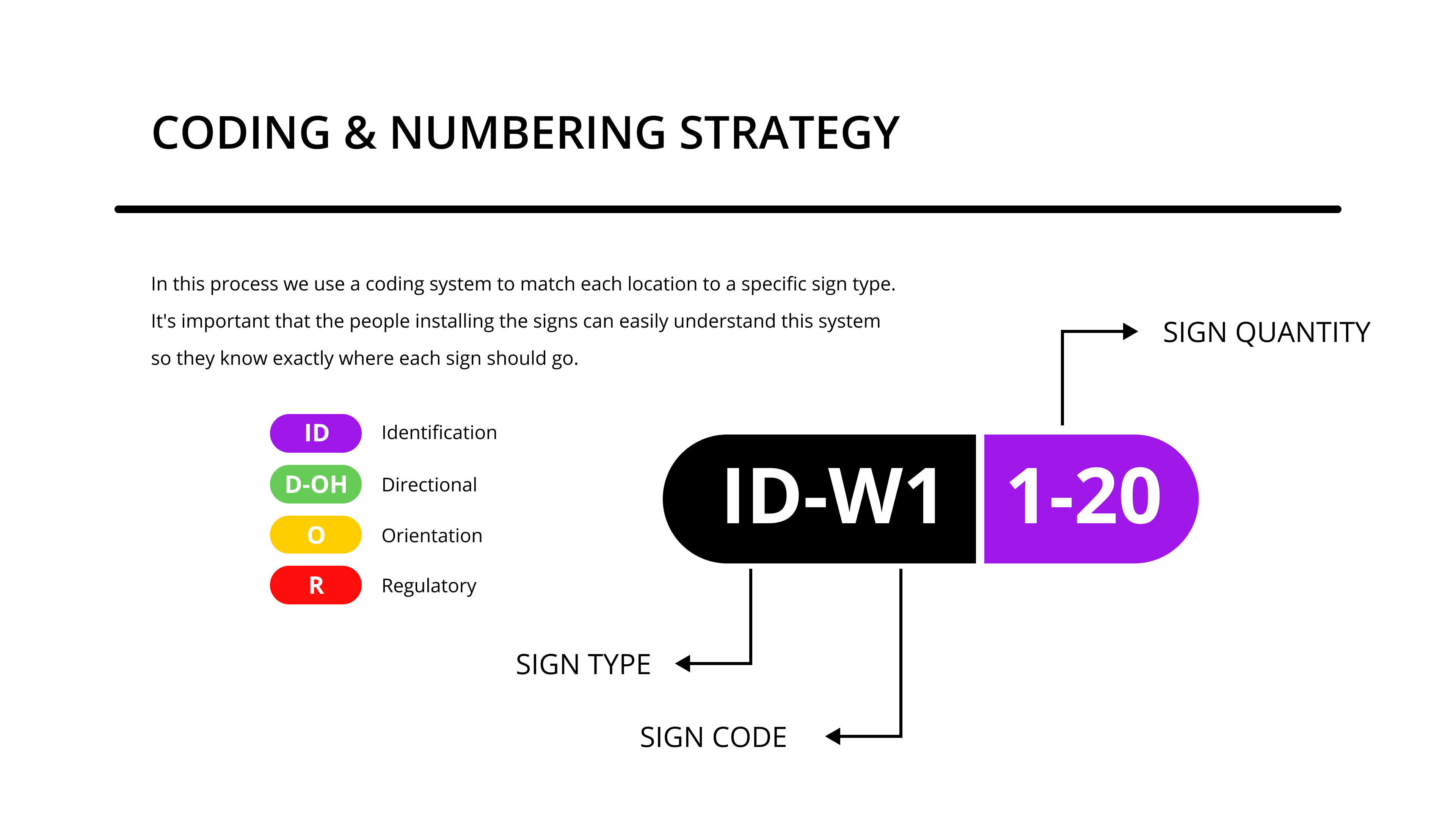
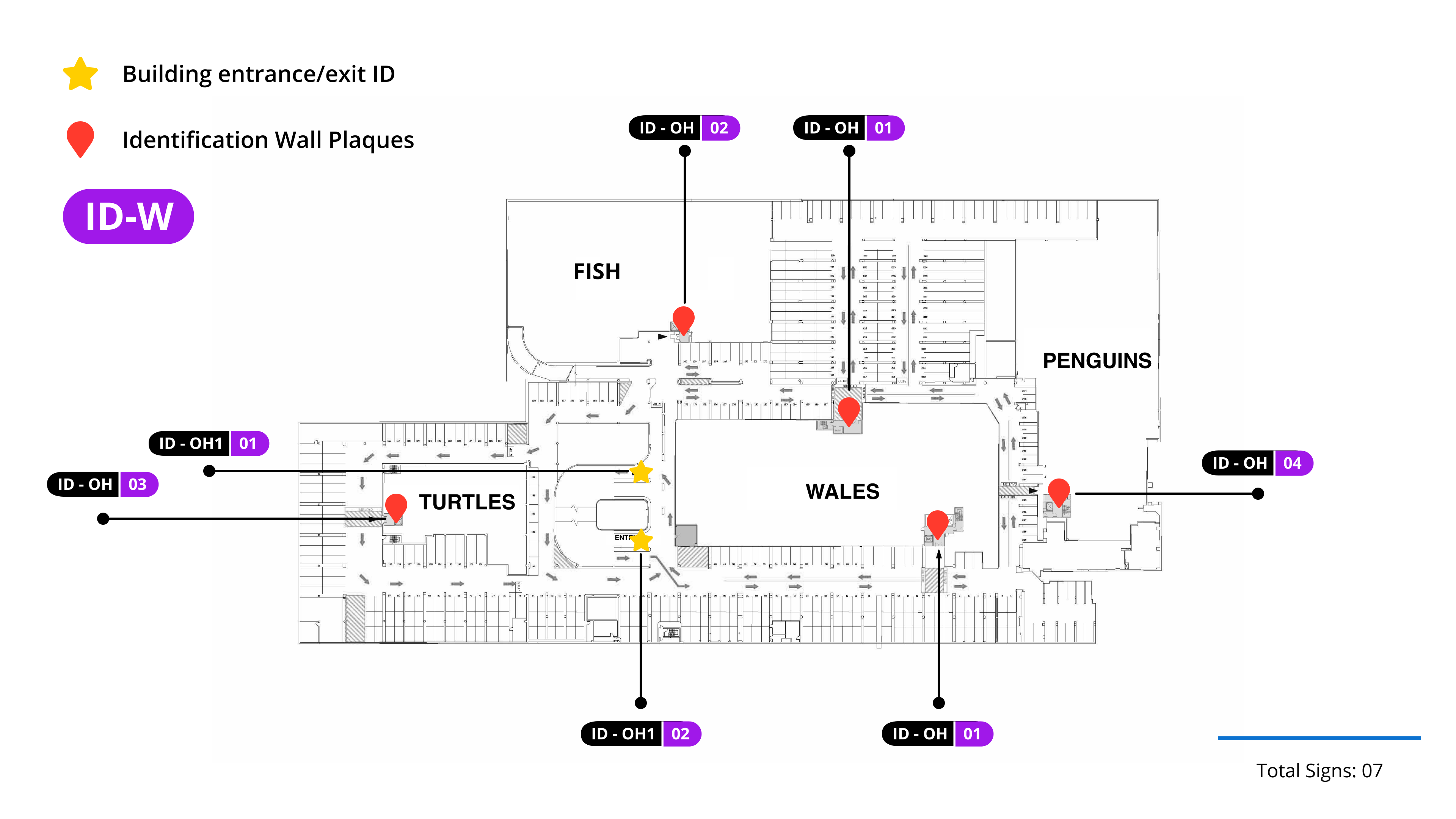
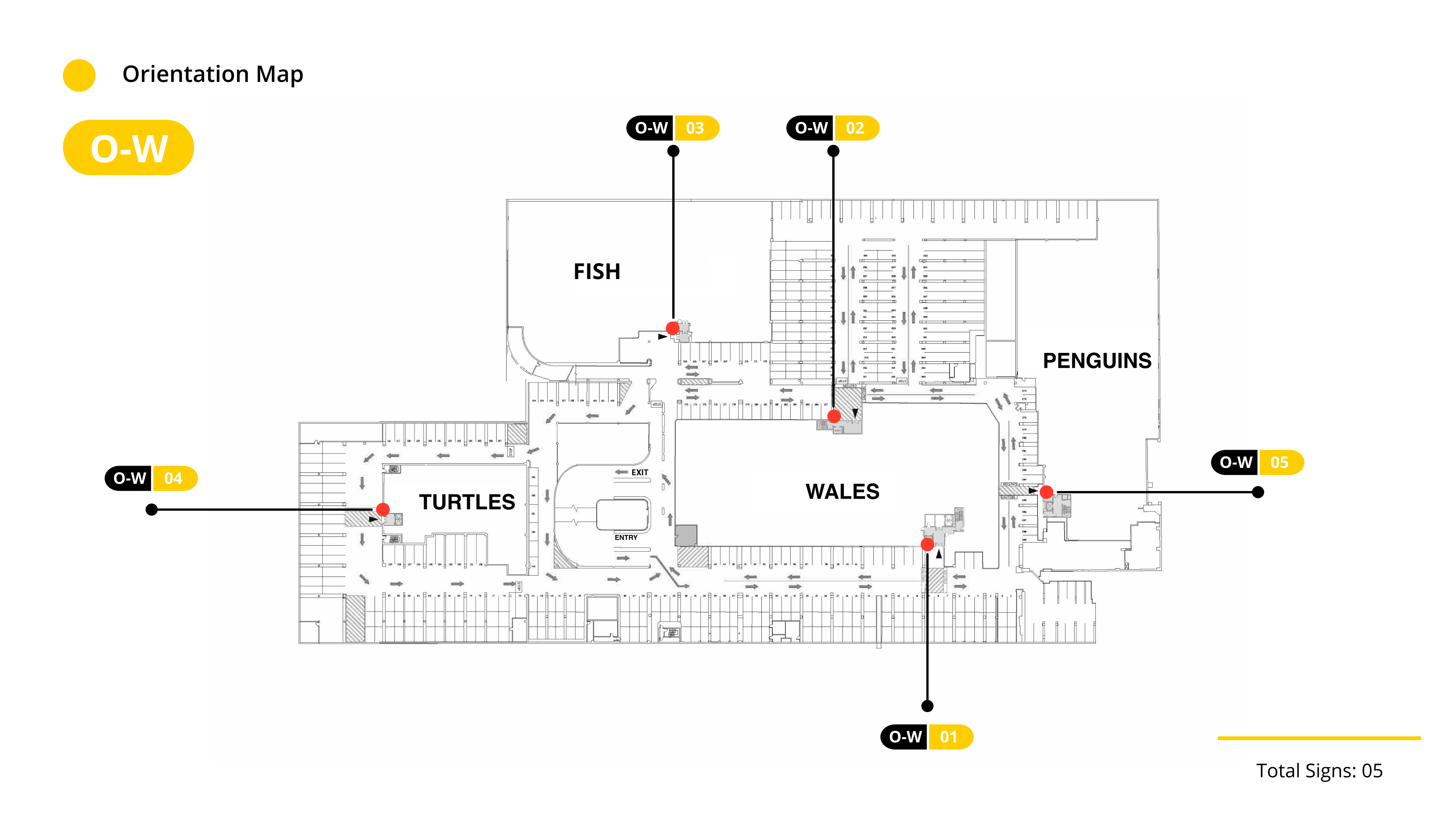
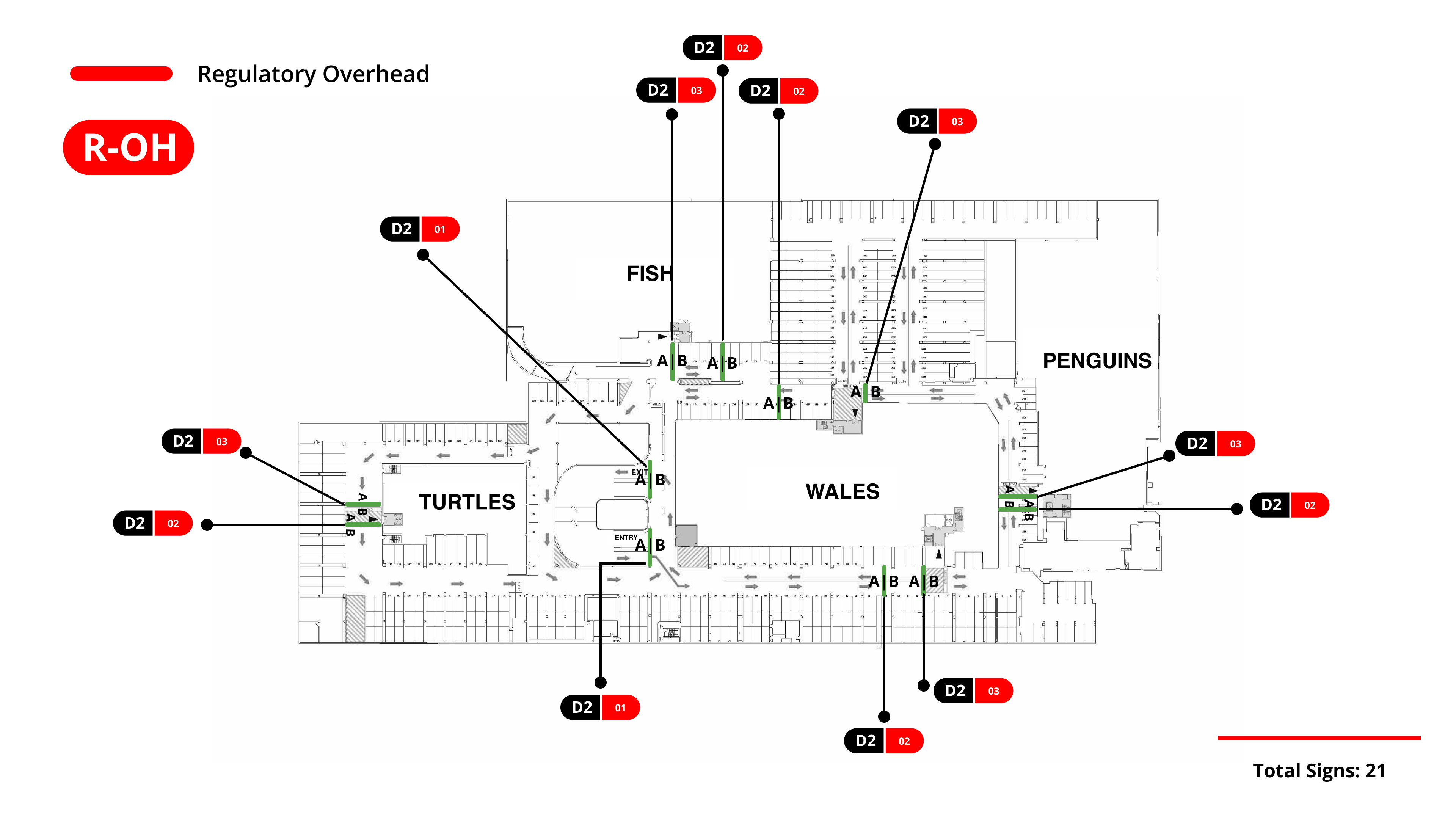
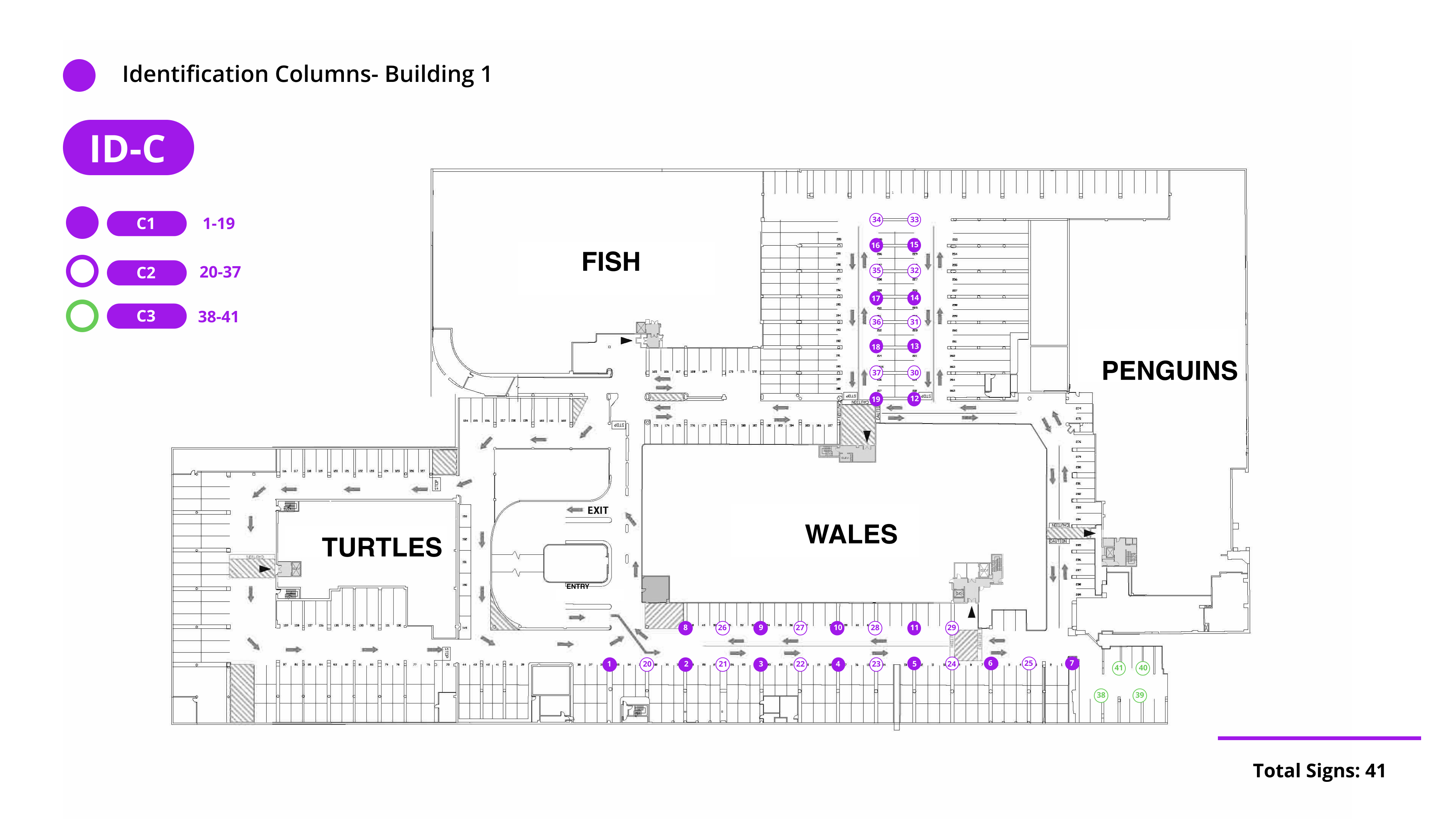
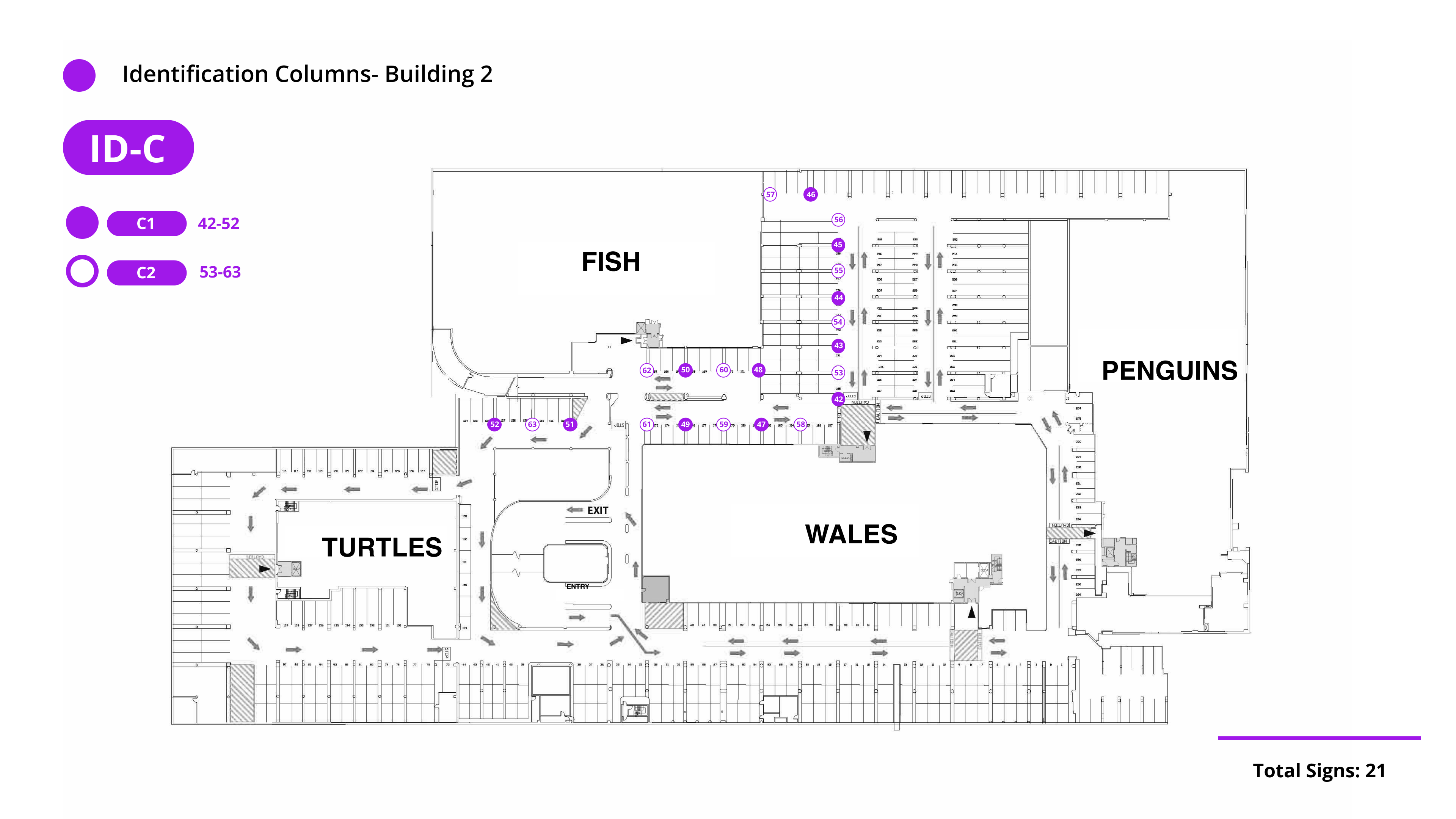
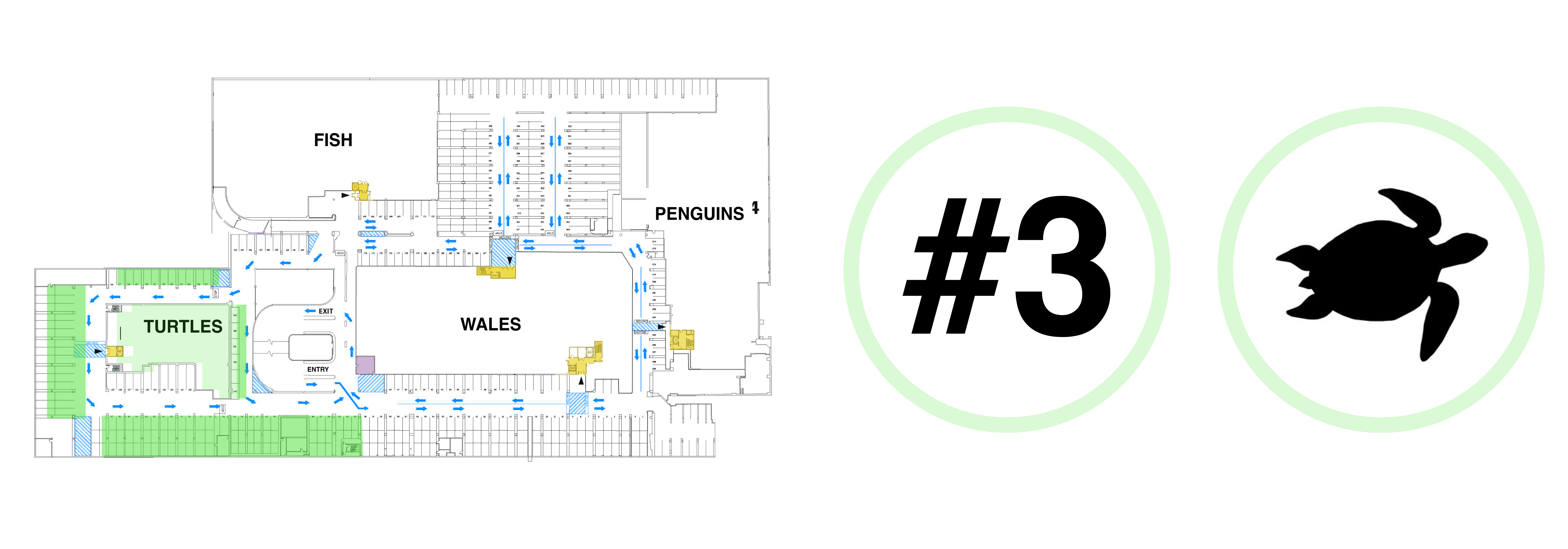
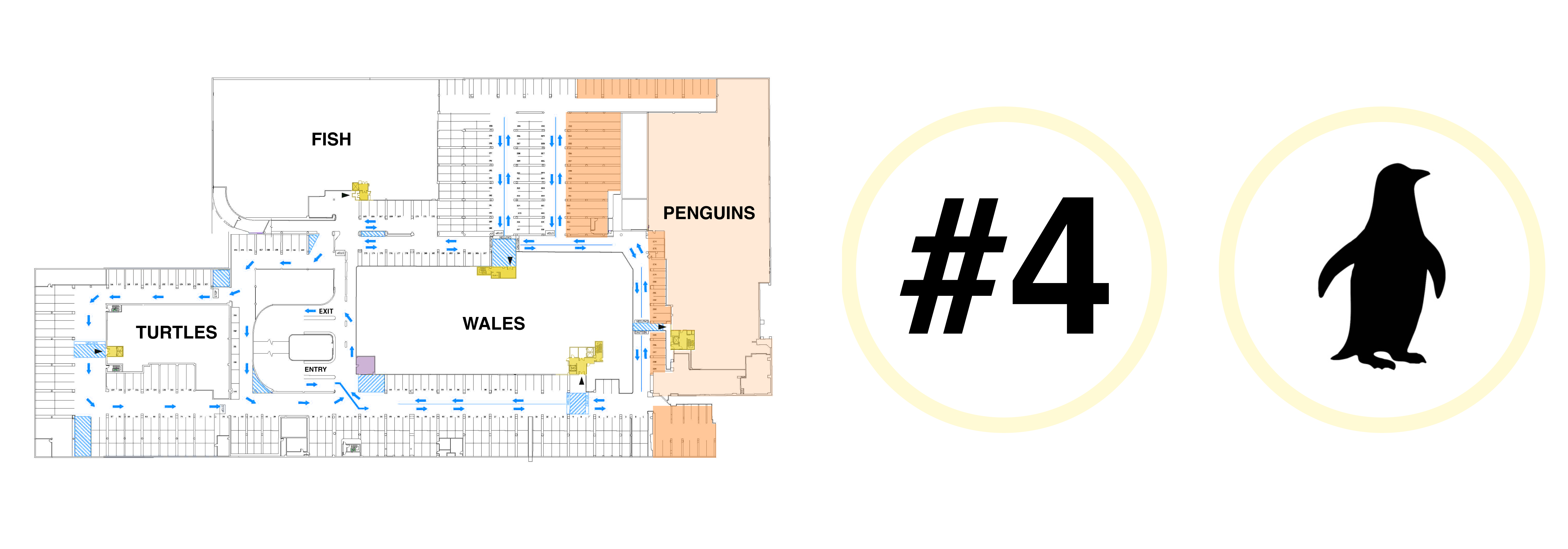
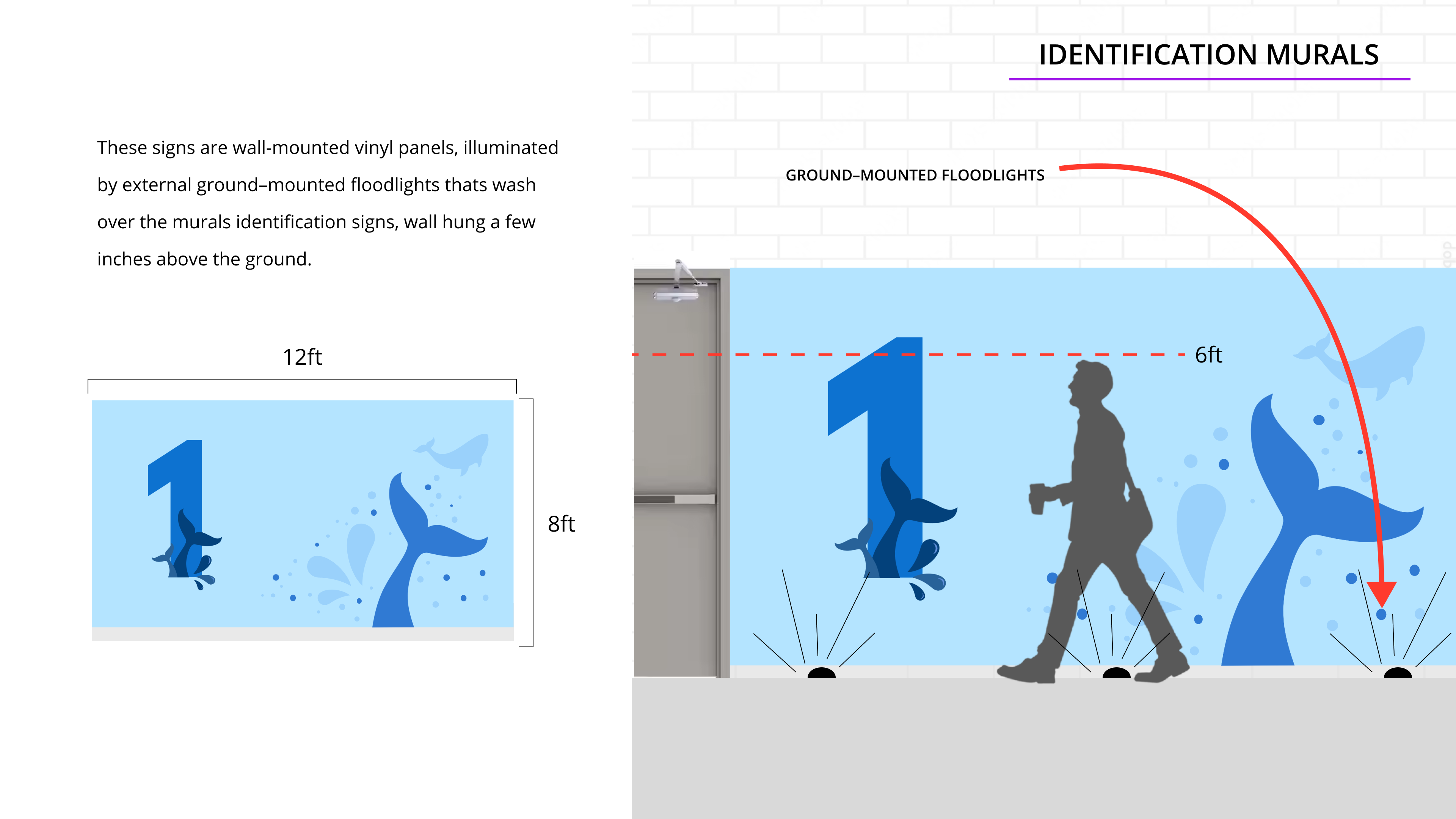
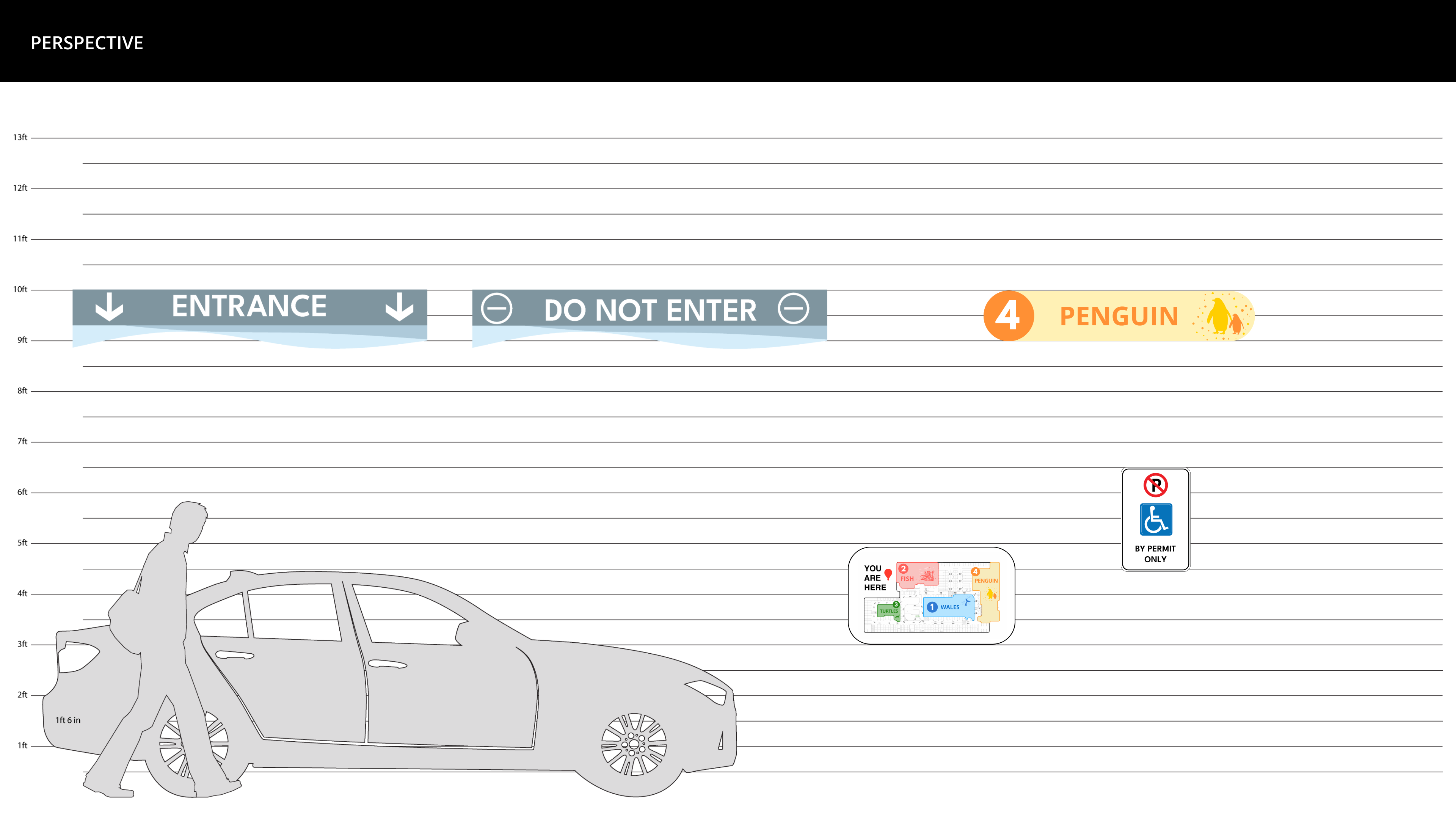
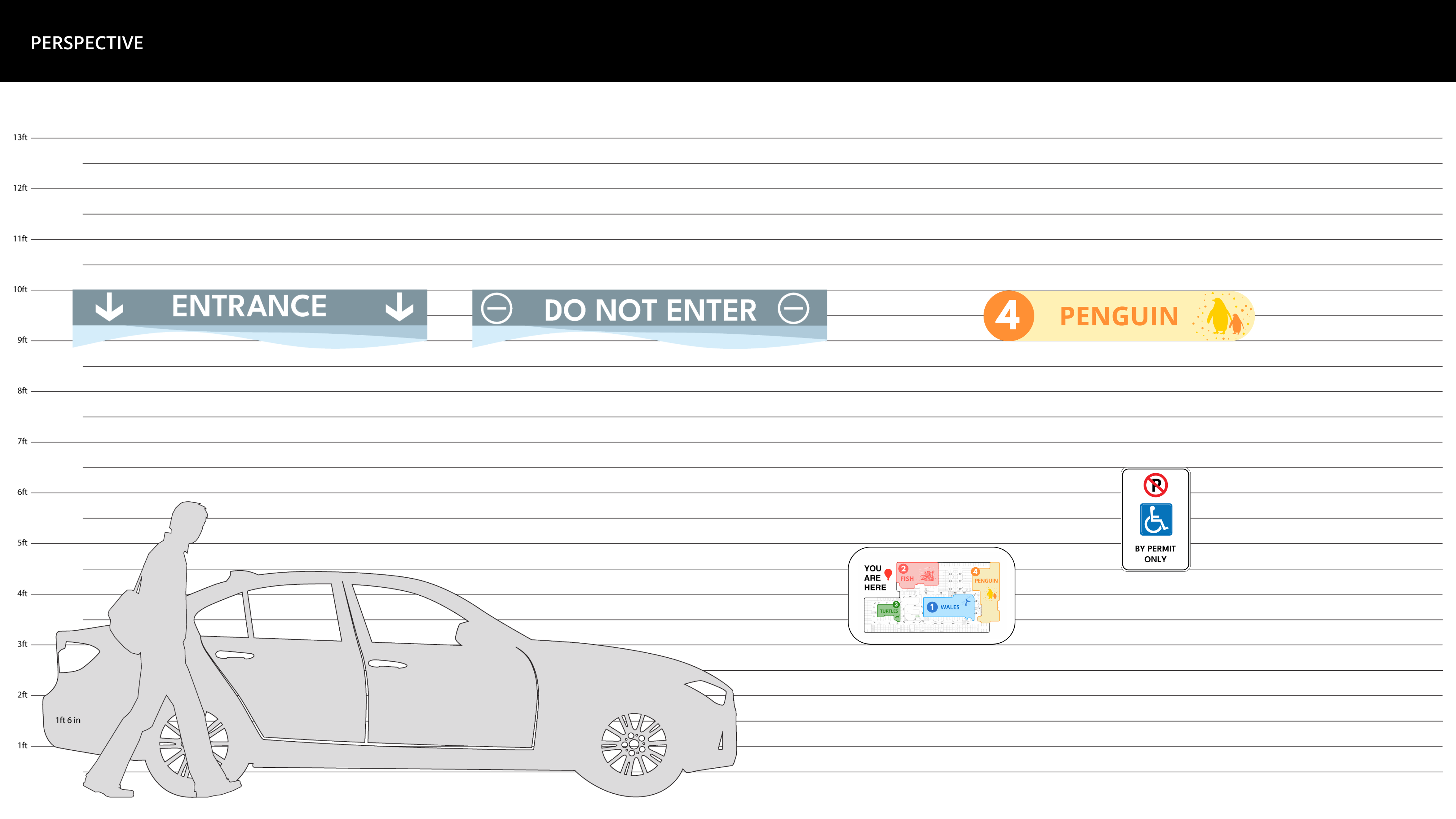
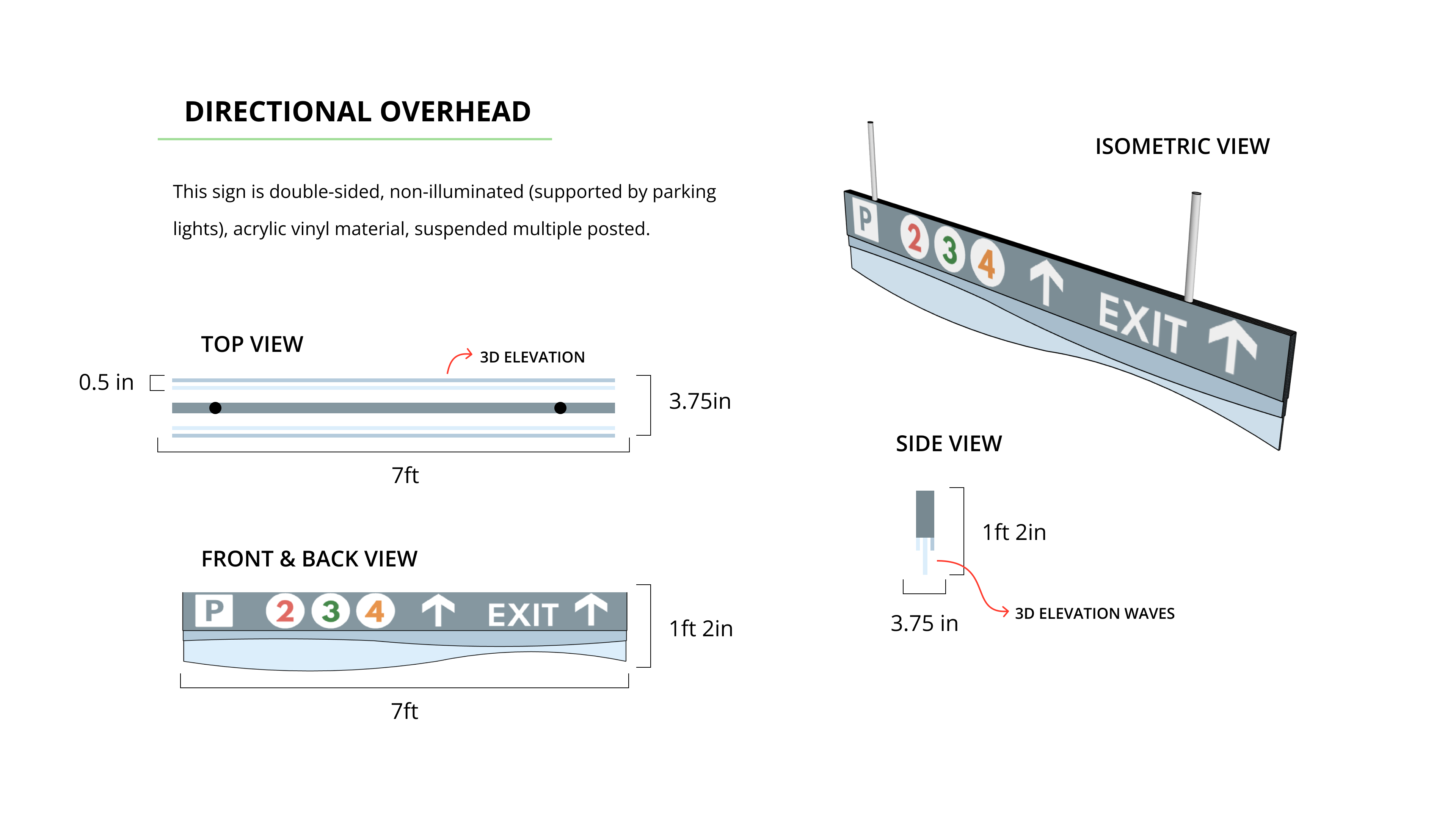
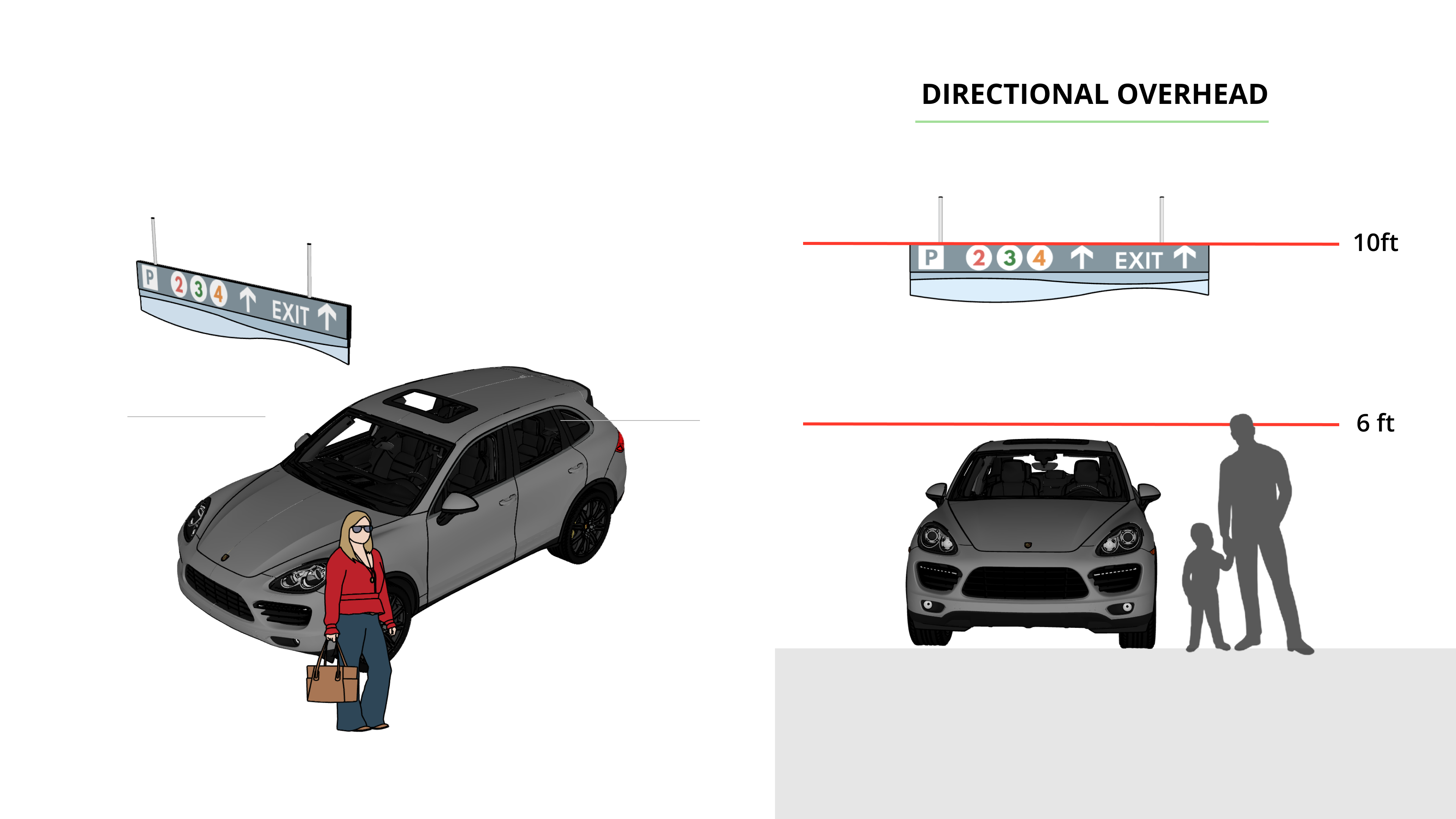
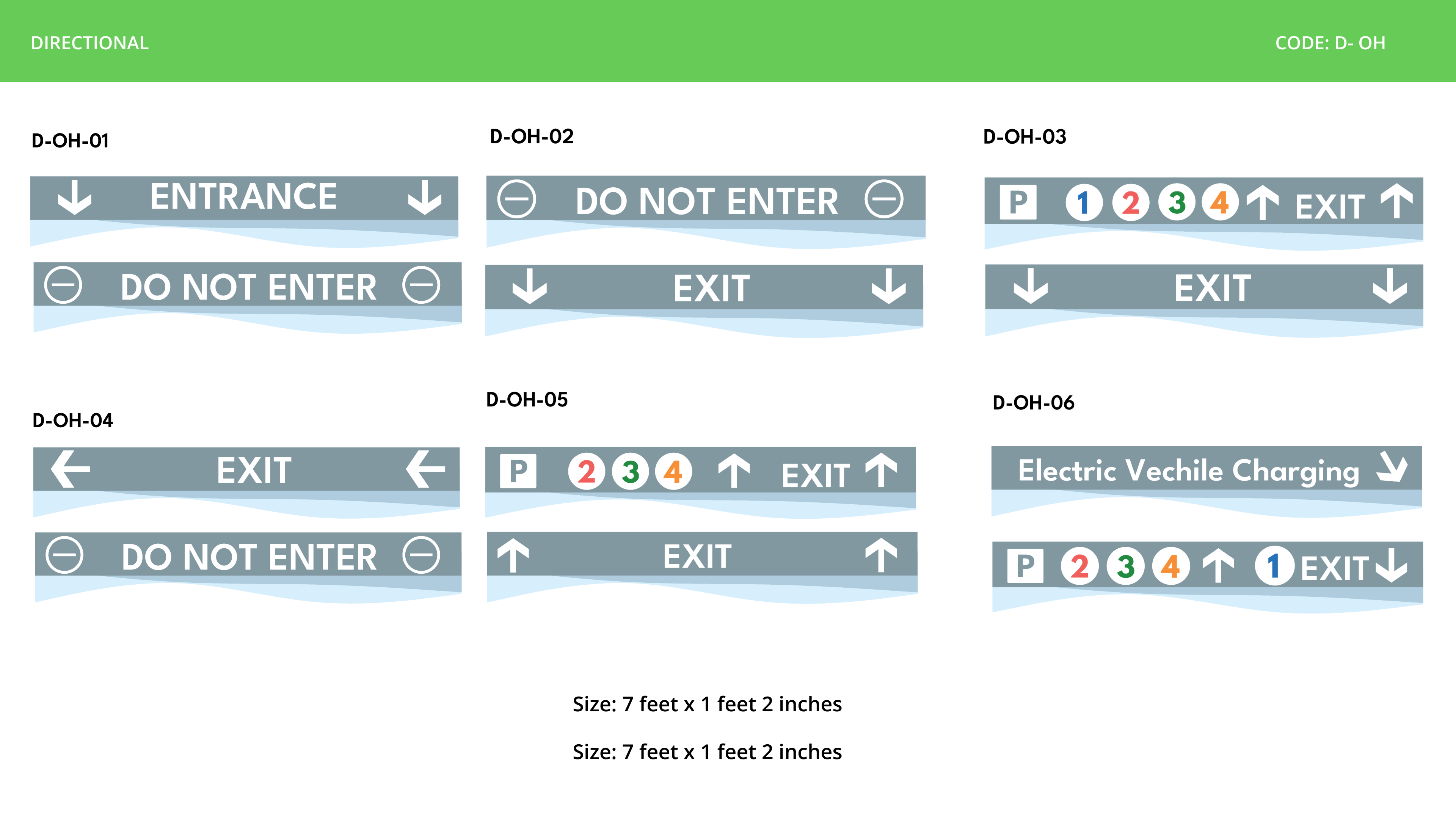
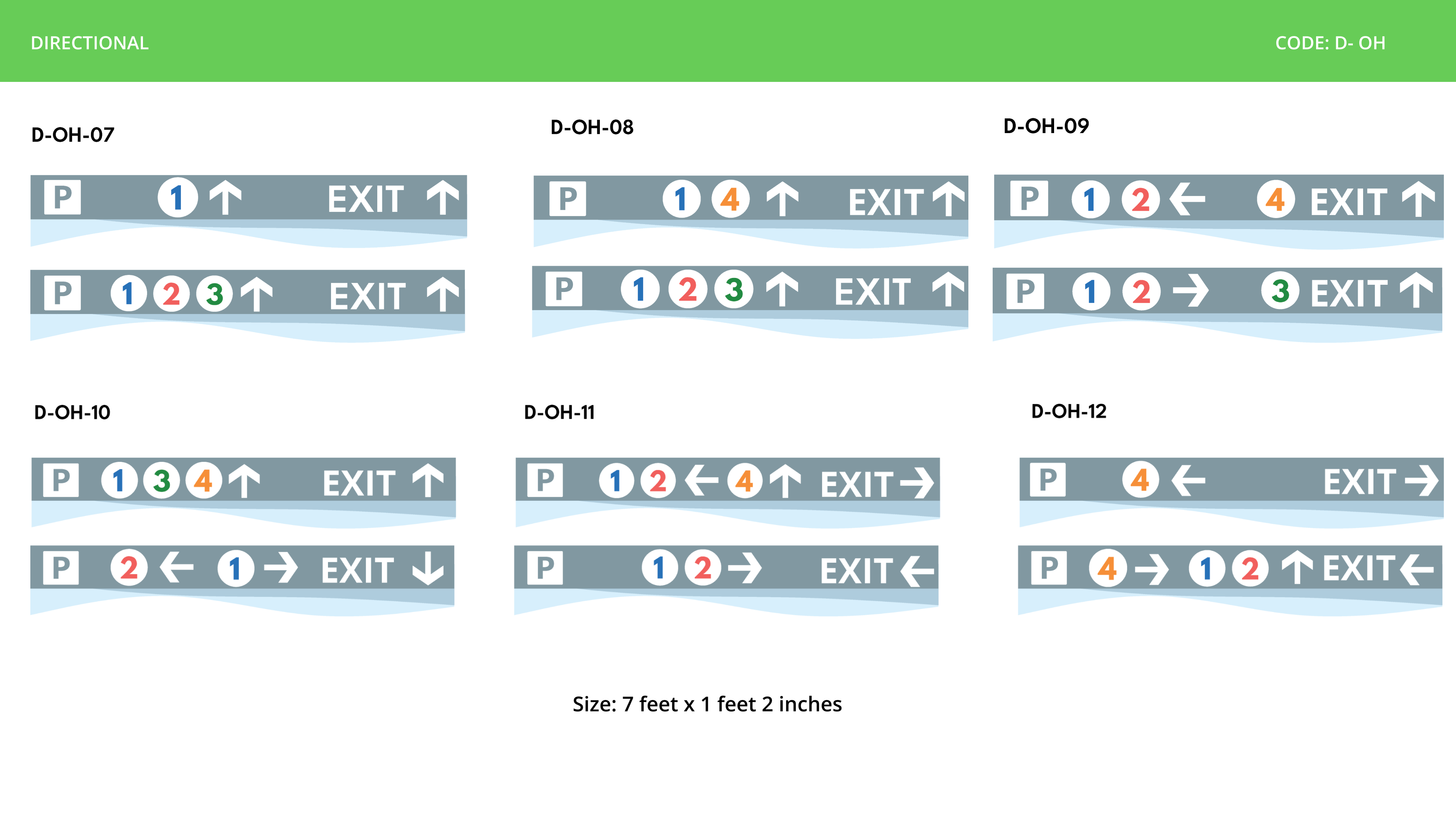
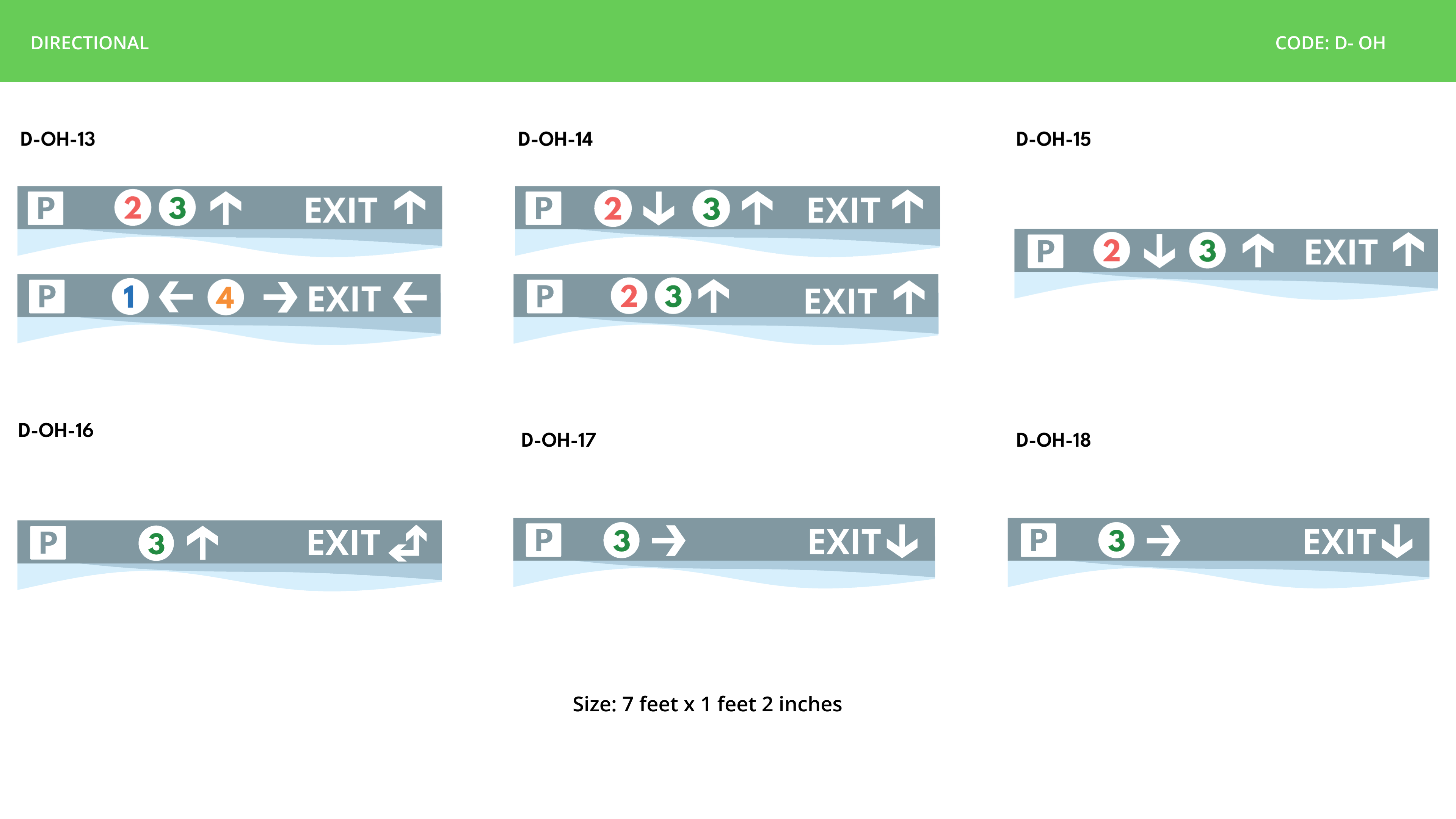
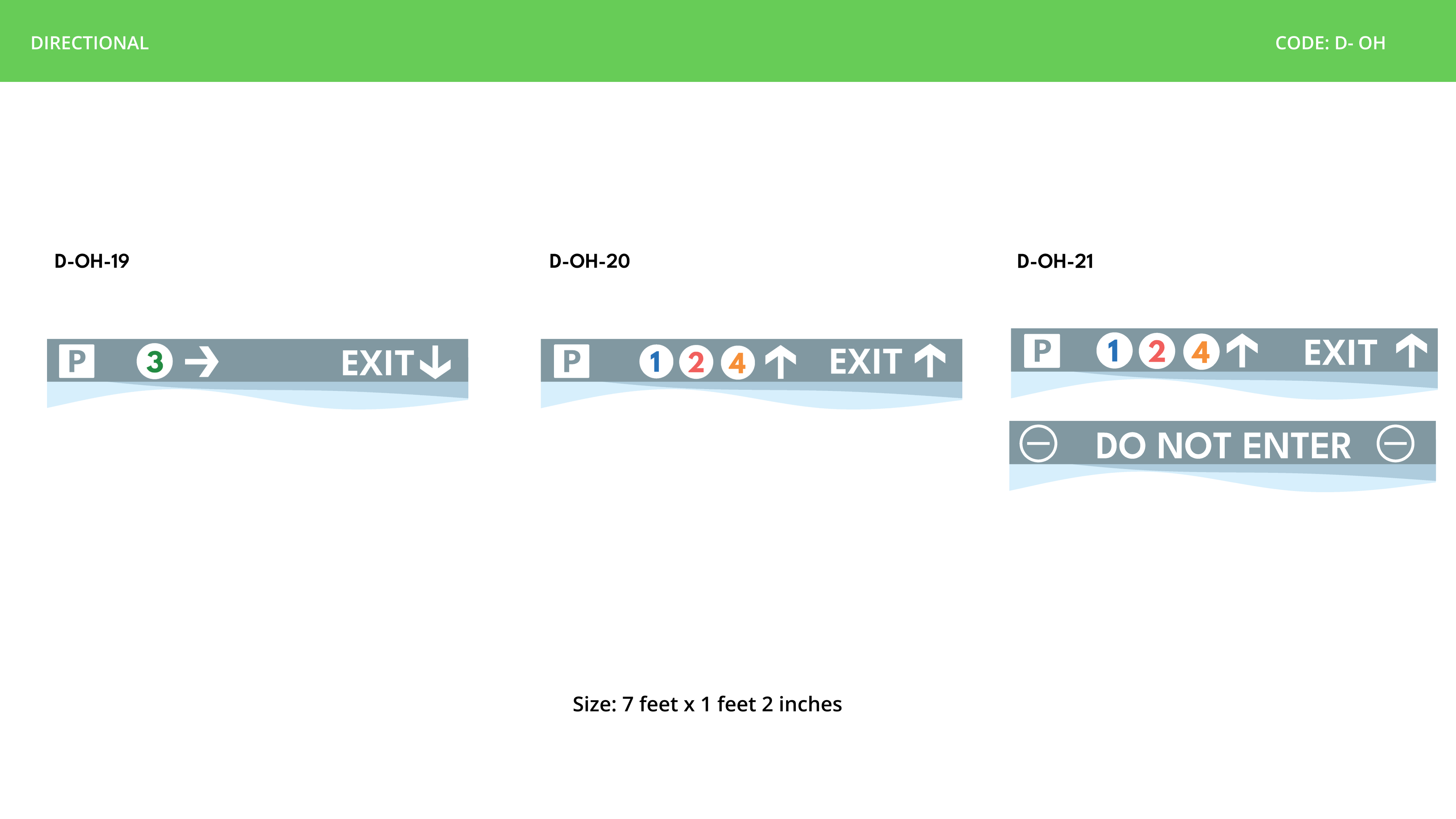
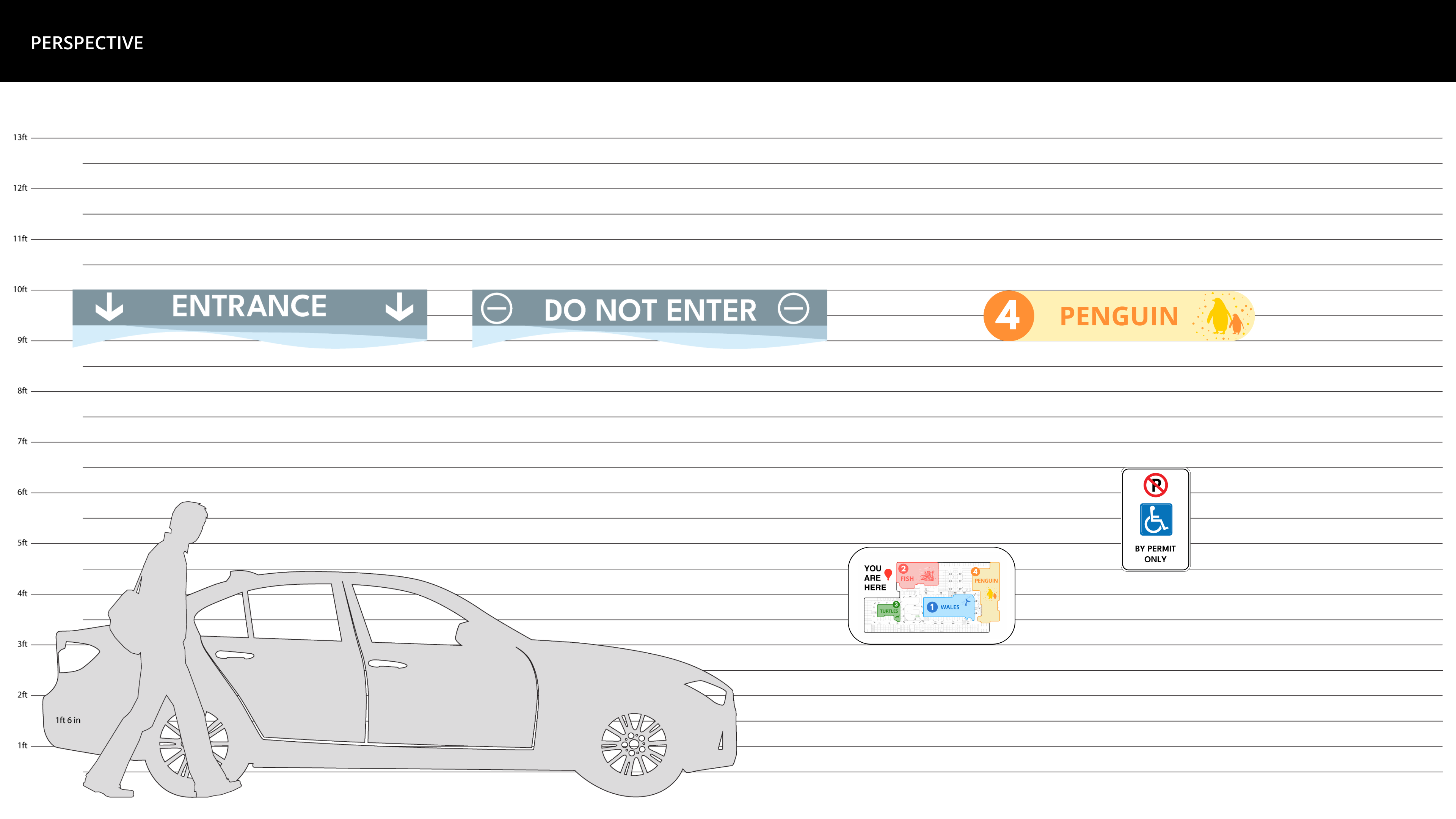
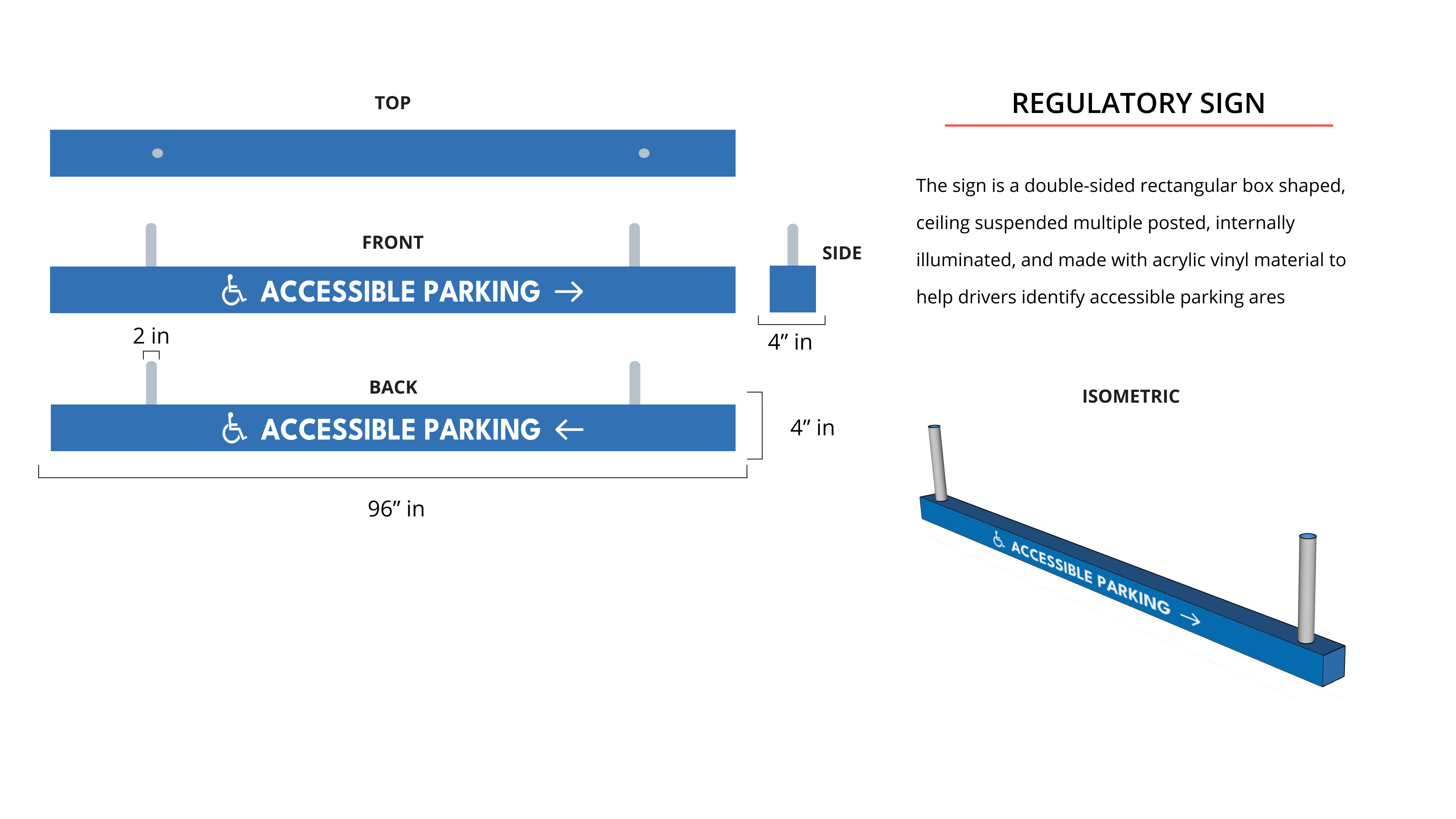
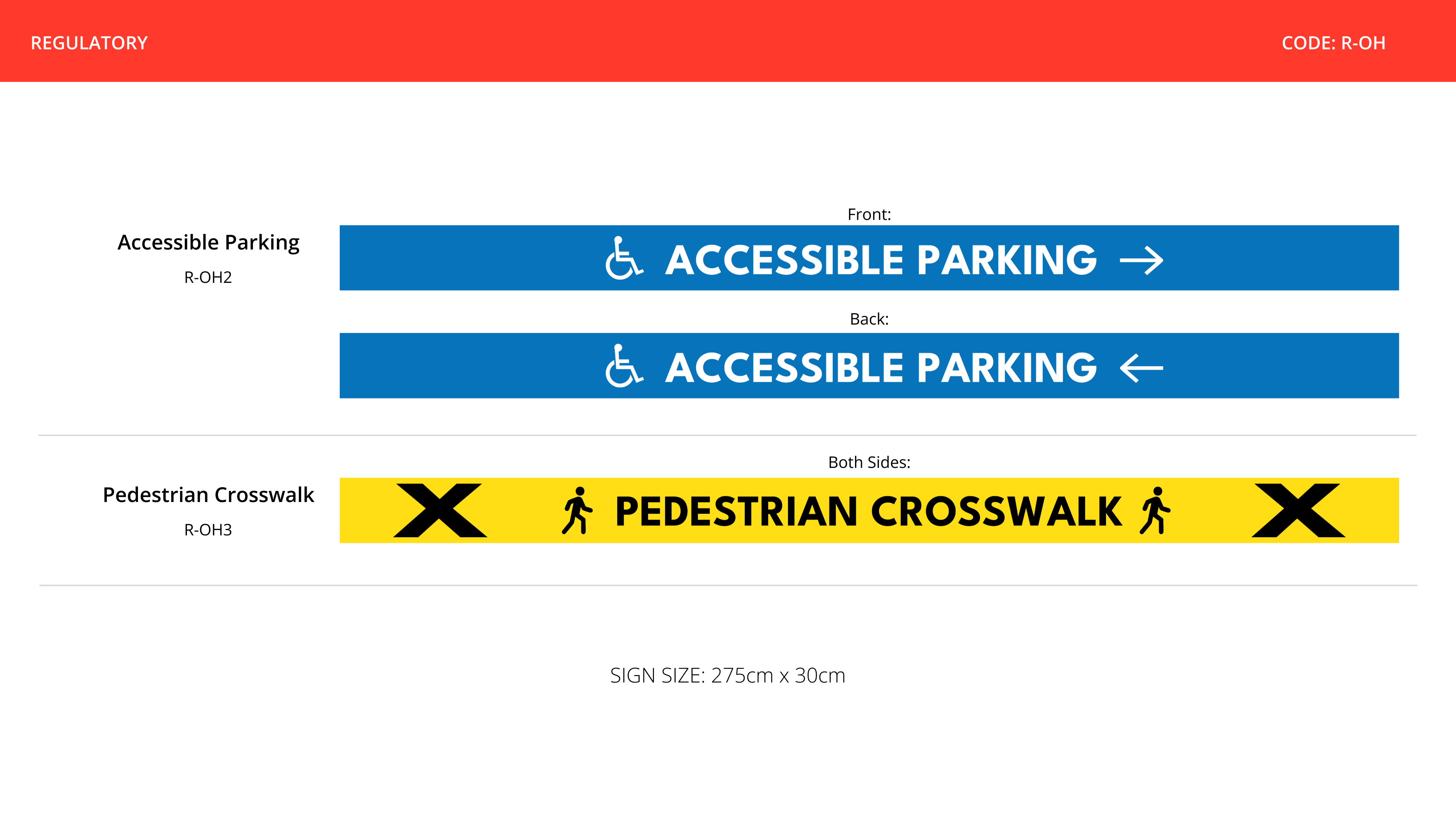
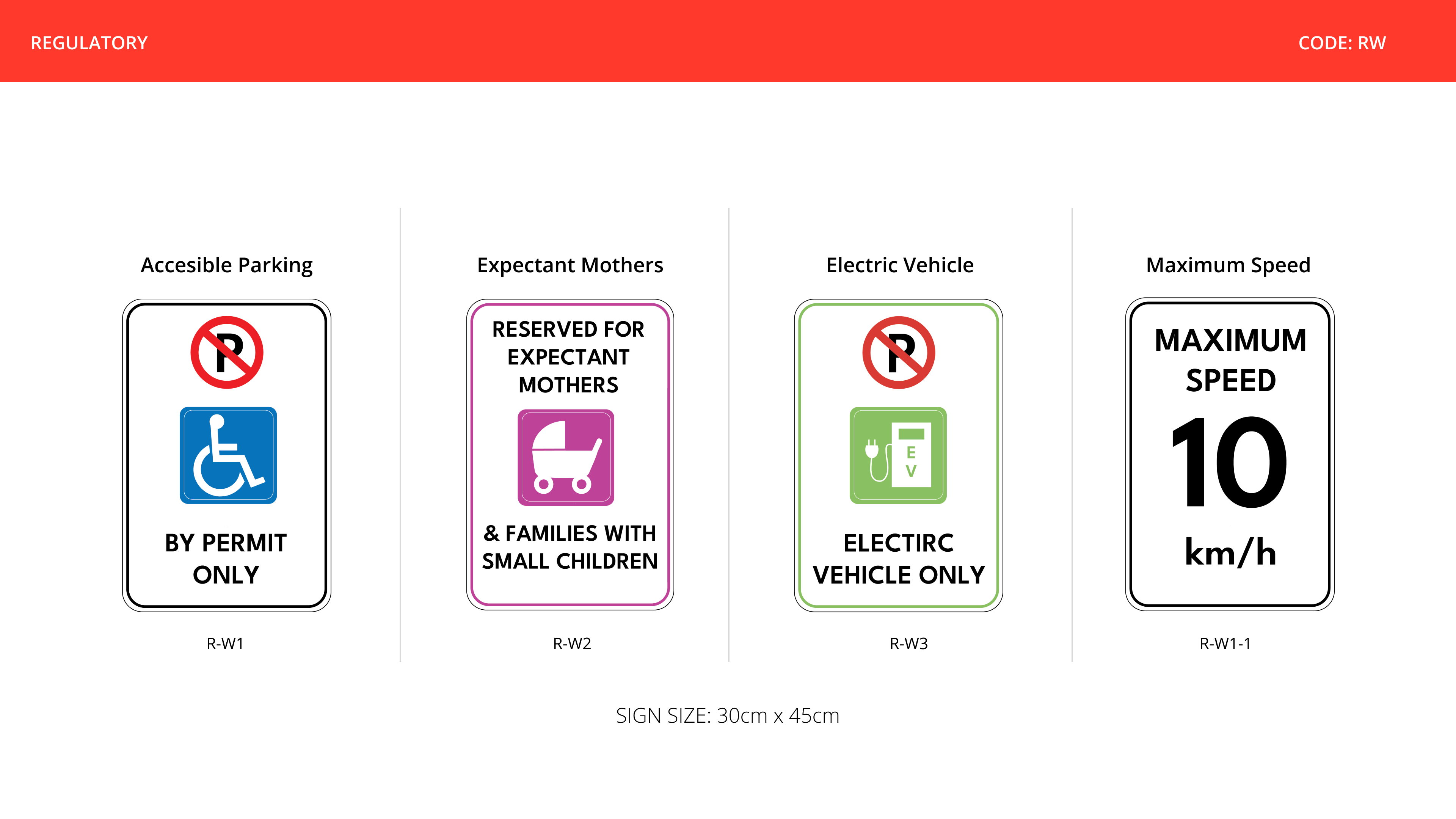
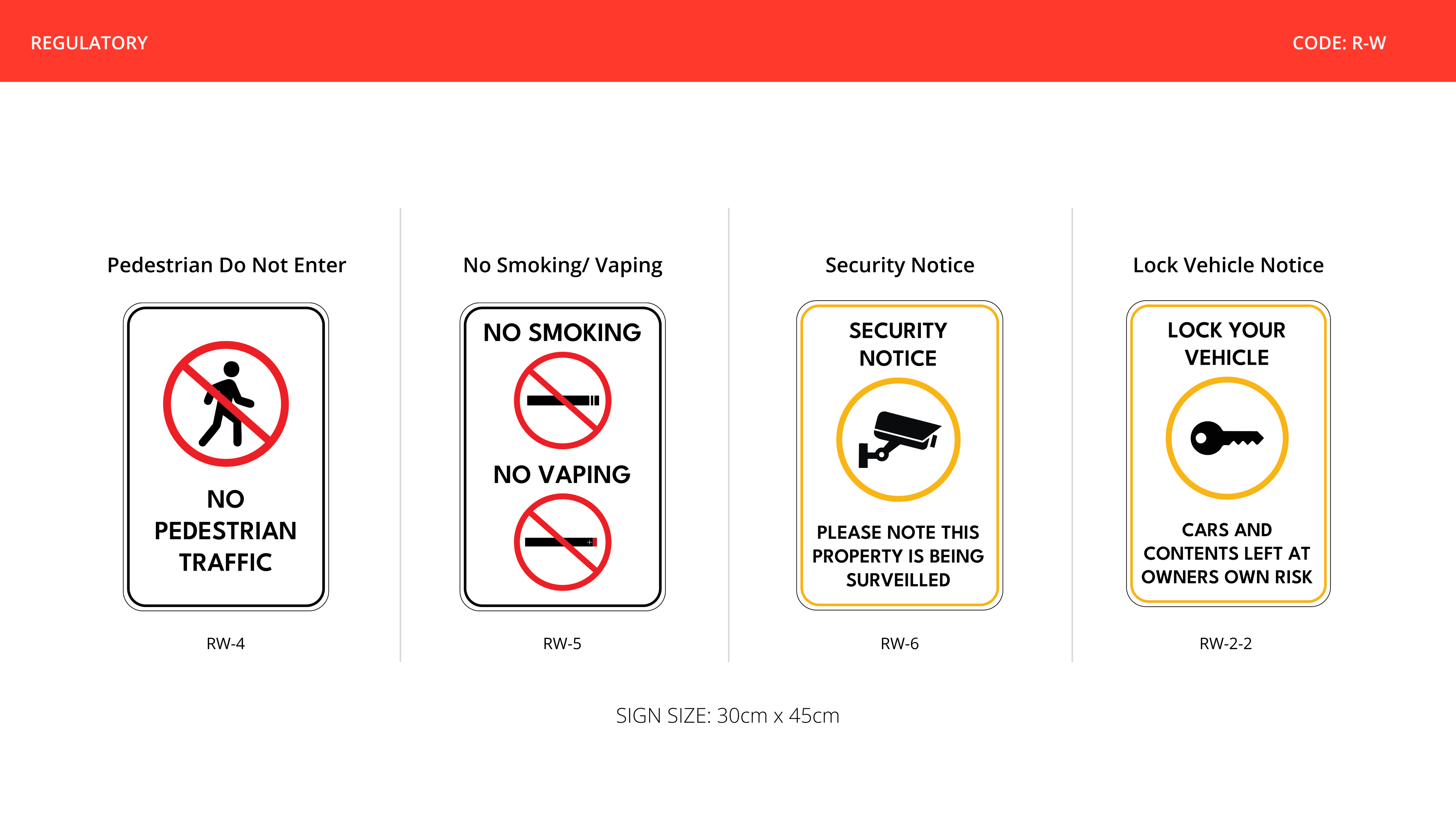
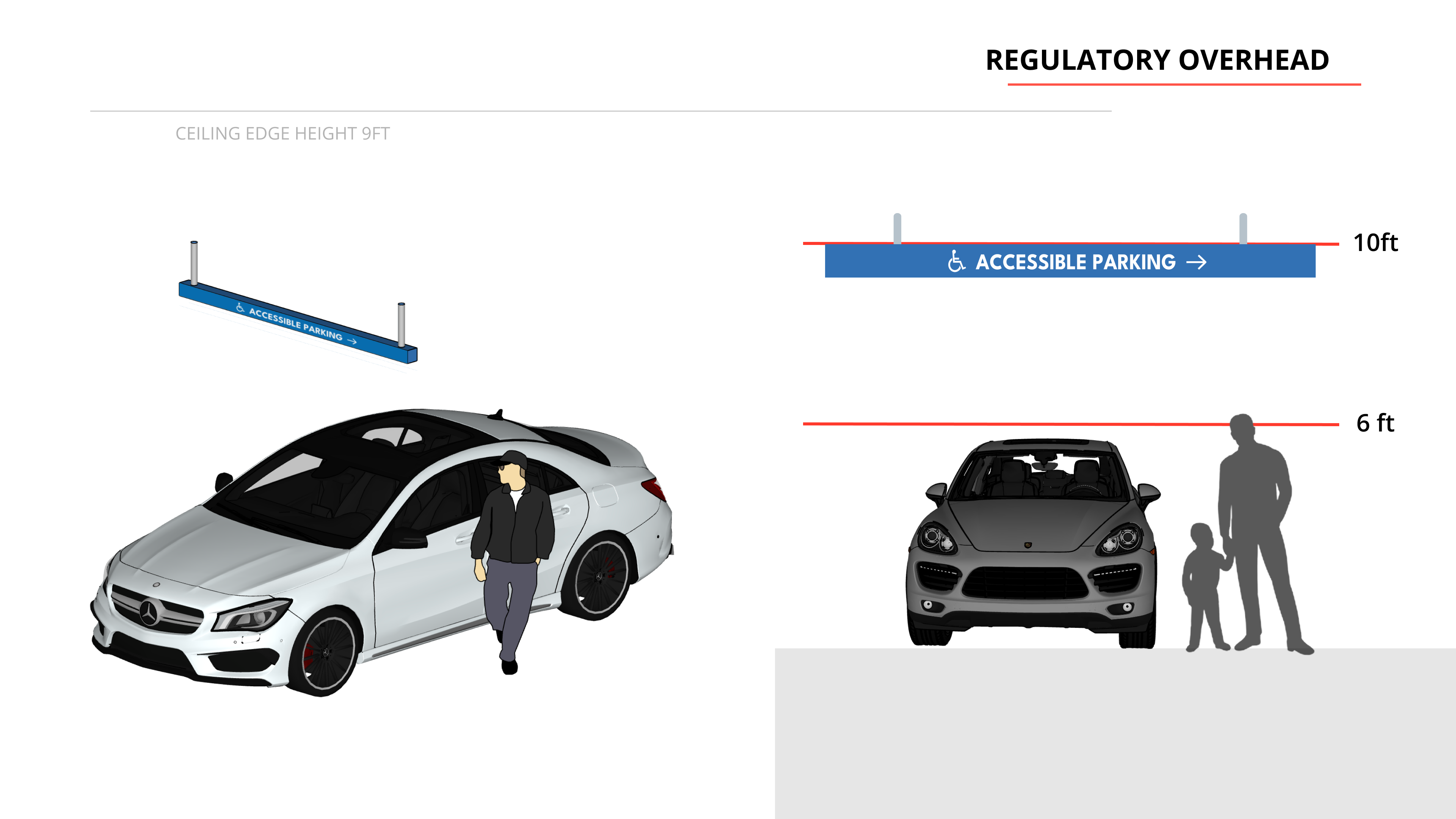
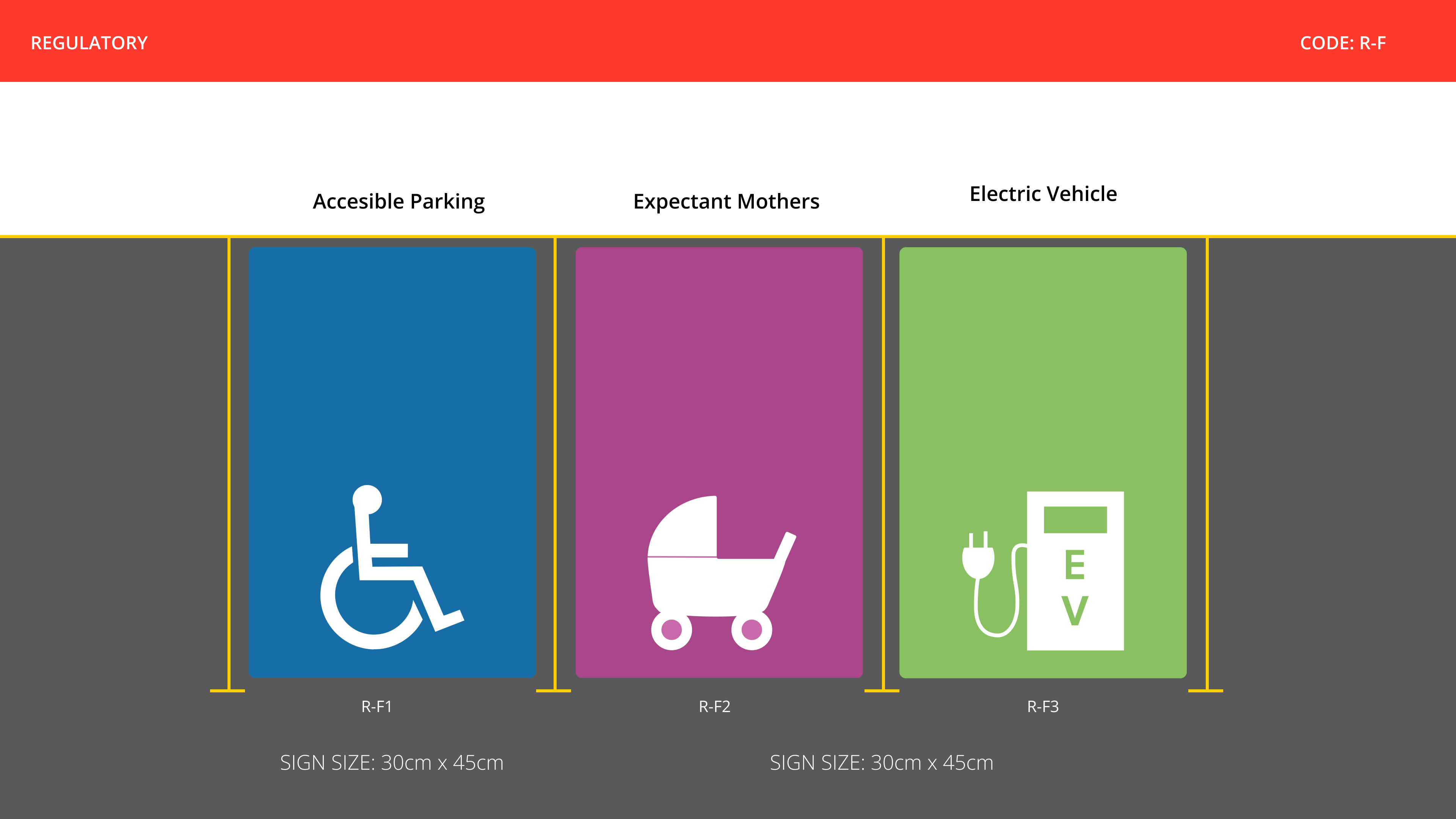
This project focused on redesigning the existing wayfinding system inside the Ripley’s Aquarium parking structure. Our goal was to create a clear orientation experience that helps visitors confidently identify where they are and how to navigate to their destination. We designed a new system that blends practicality with storytelling by introducing themed building groups, directional graphics, regulatory signage, and orientation maps.
MY ROLE
- Designed clear orientation maps and identification signage to improve visitor navigation across building levels
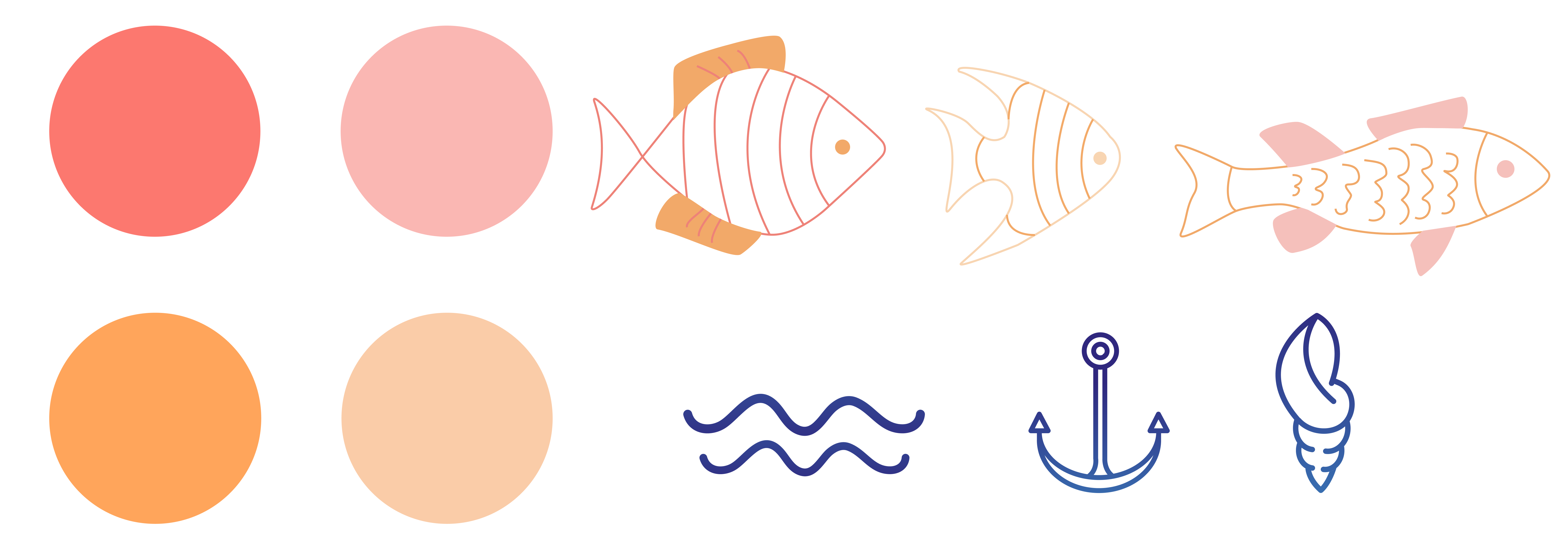
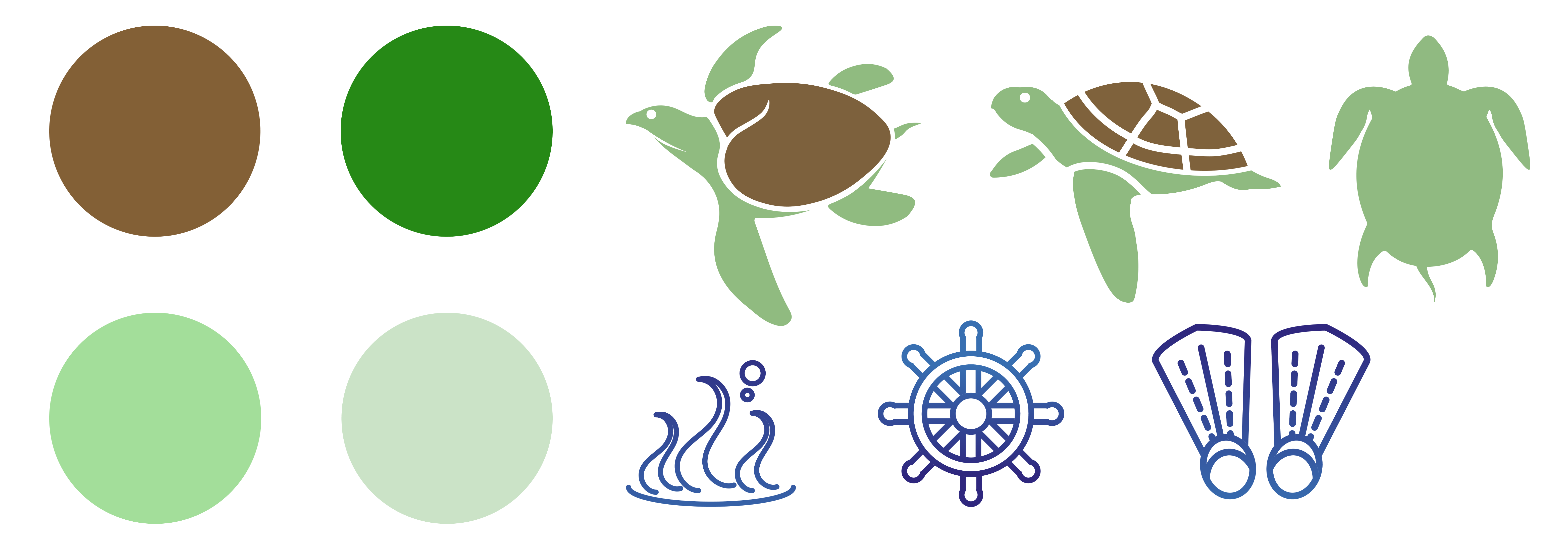
- Created visual assets including color palettes, iconography, and thematic illustrations aligned with each aquatic zone
- Developed high-fidelity signage prototypes and mockups to communicate clarity, consistency, and usability
- Collaborated on presentation refinement to ensure the system was easy to understand and visually engaging
PROBLEM
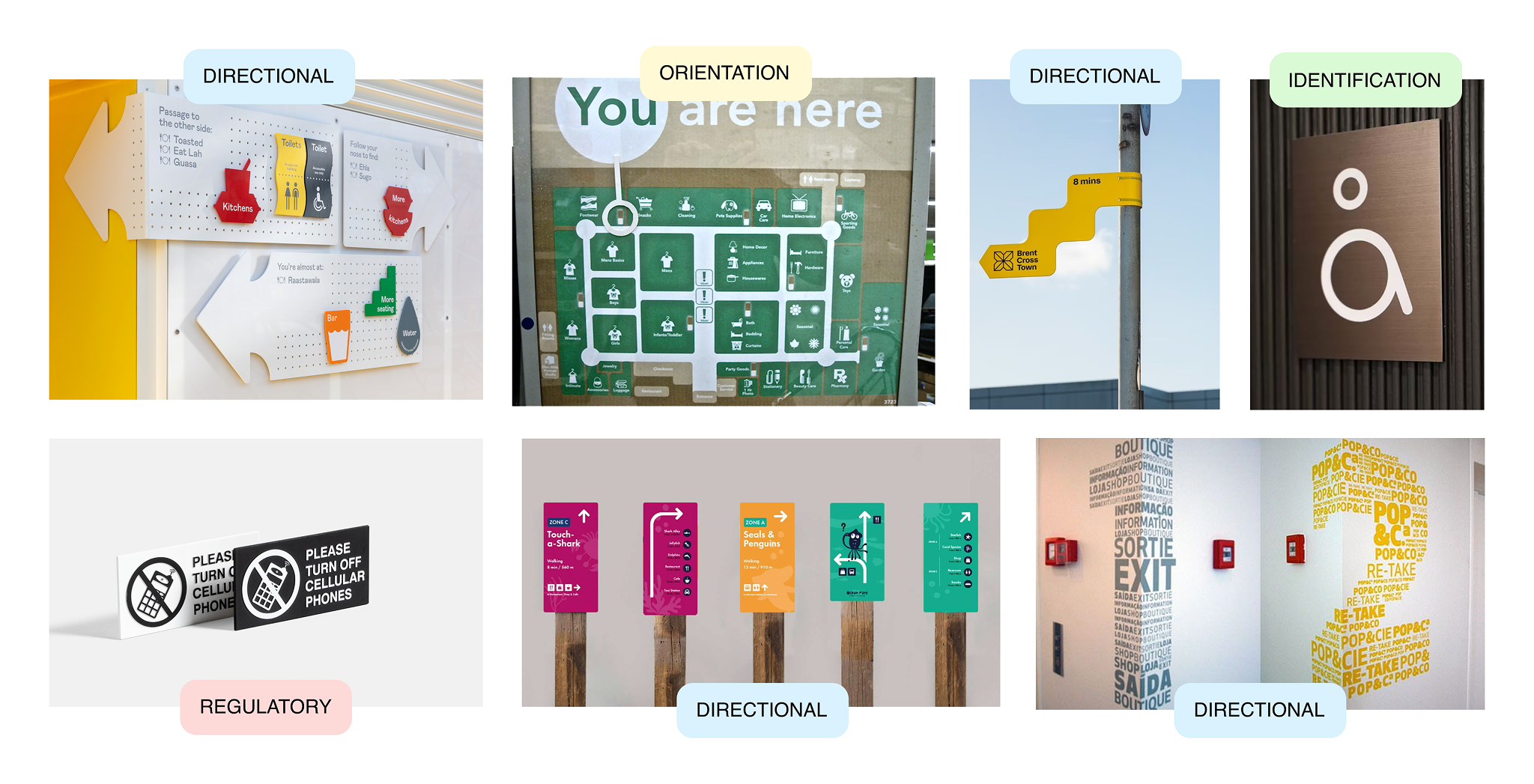
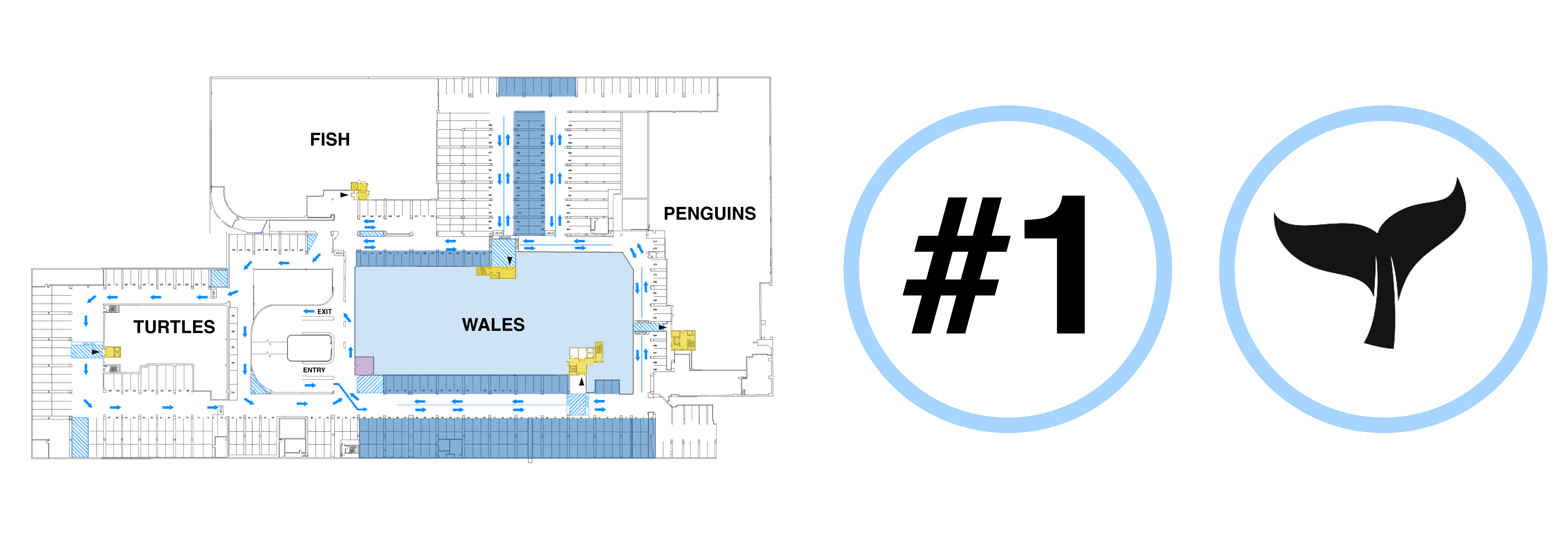
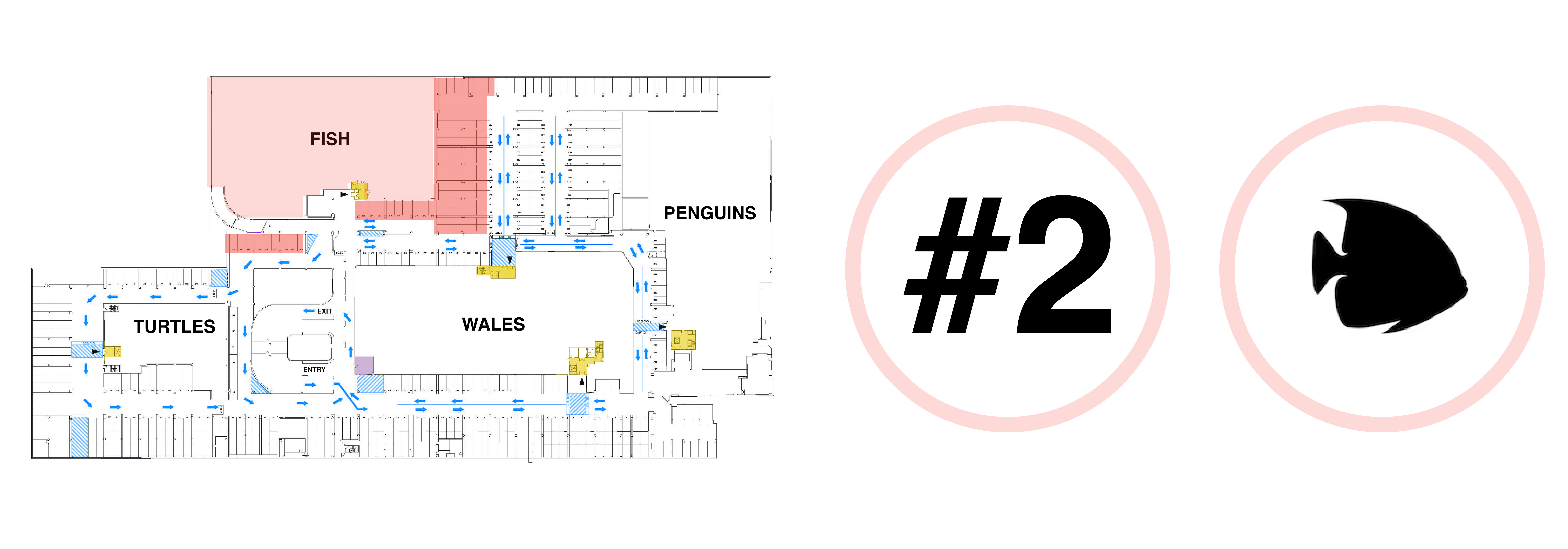
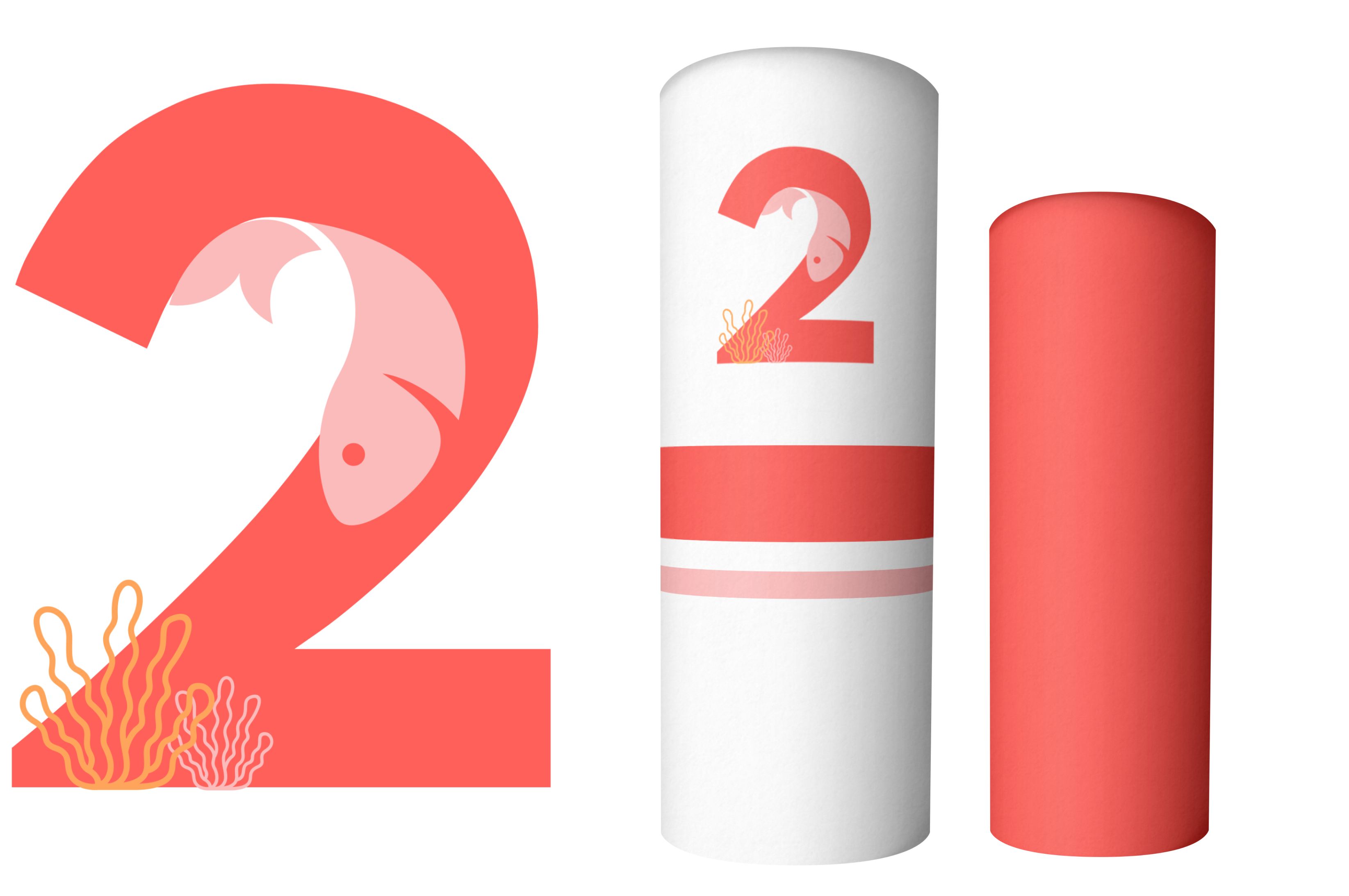
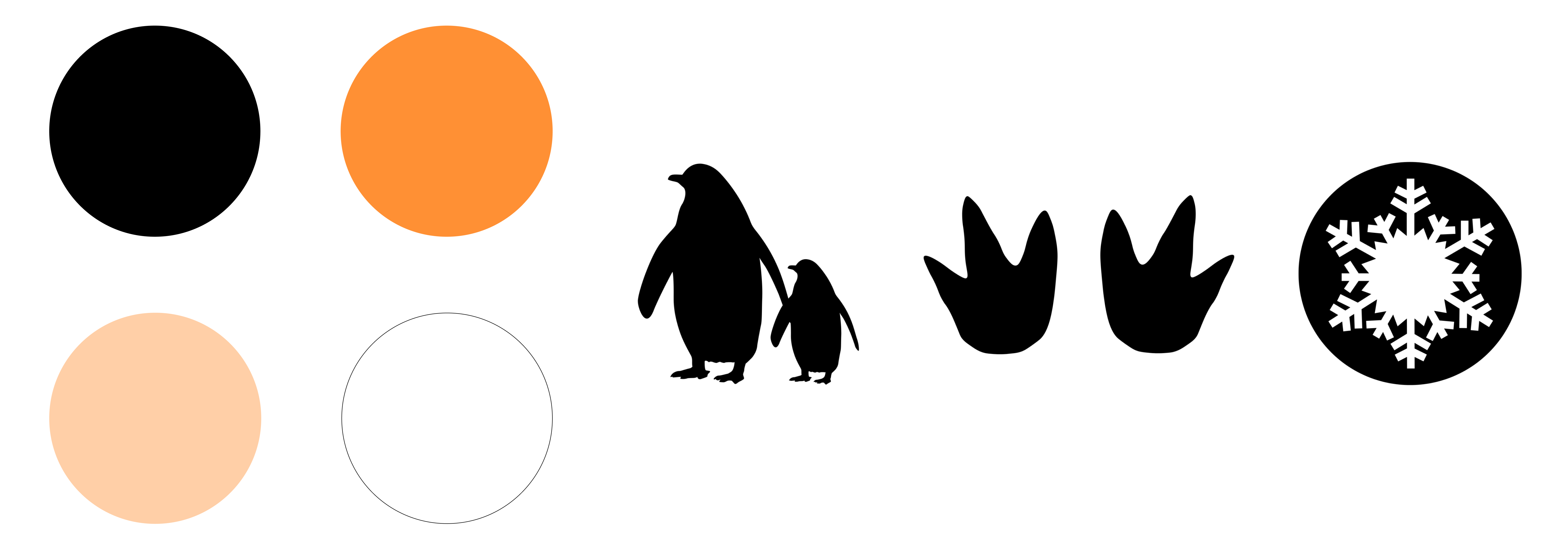
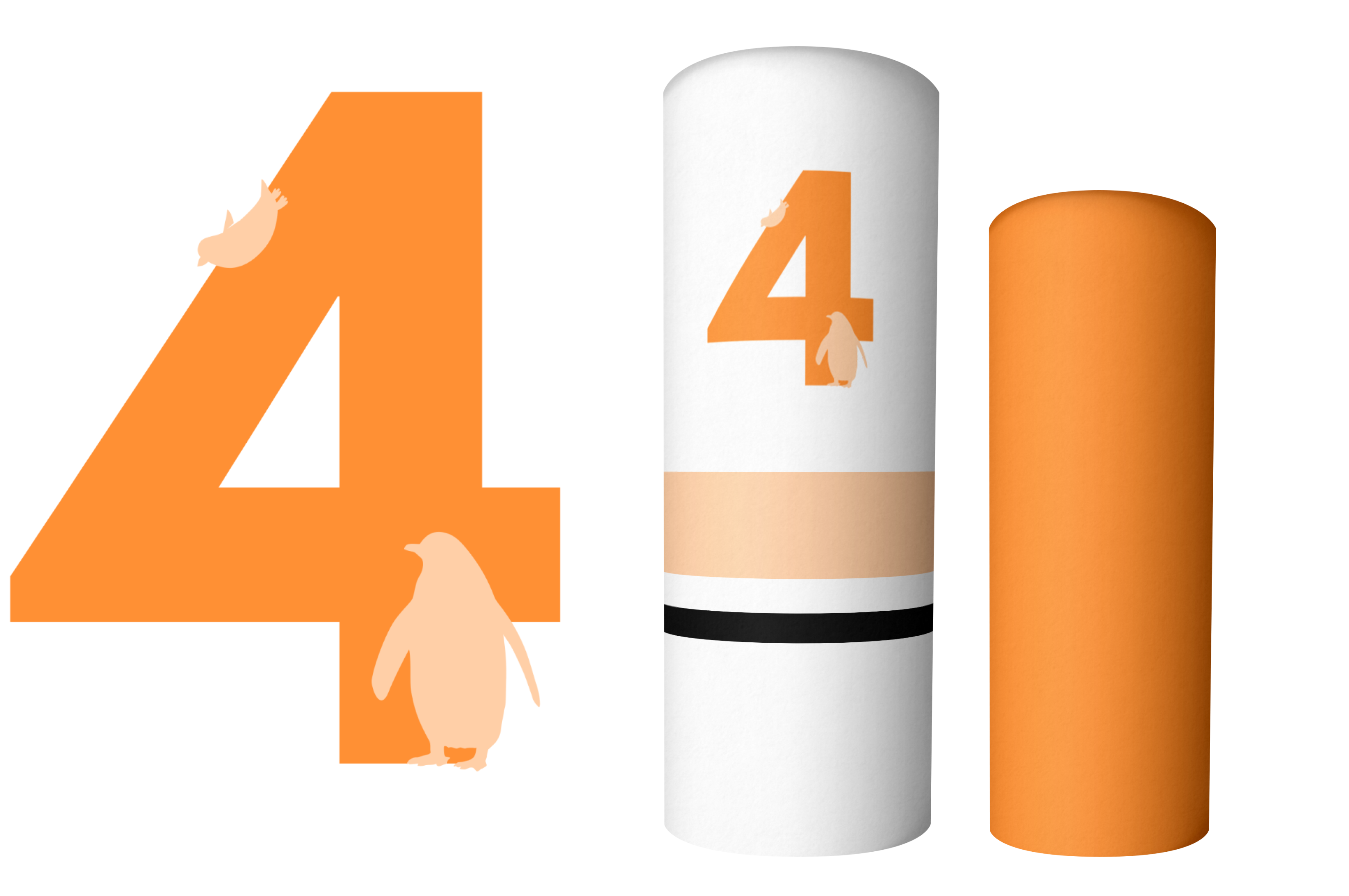
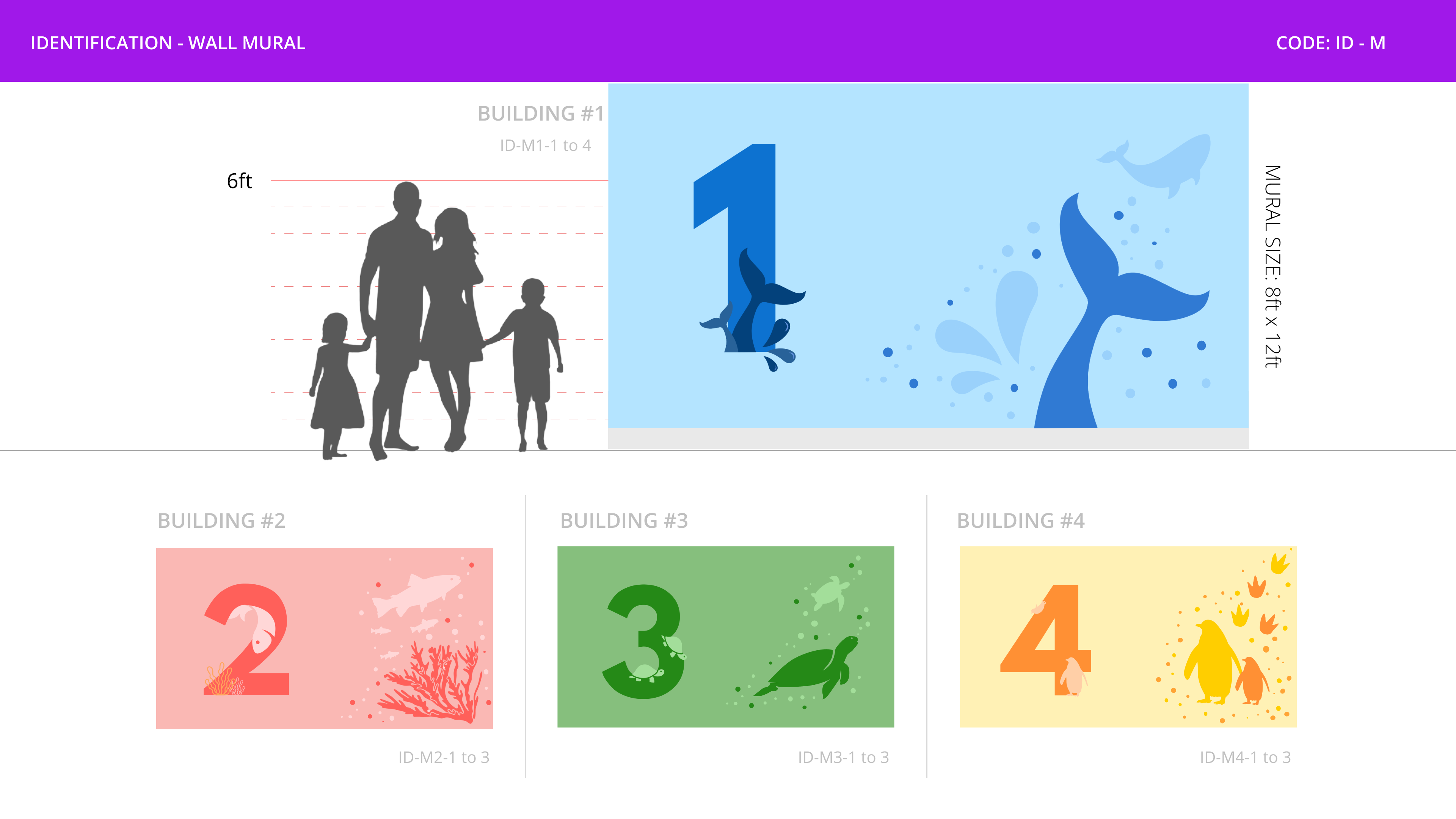
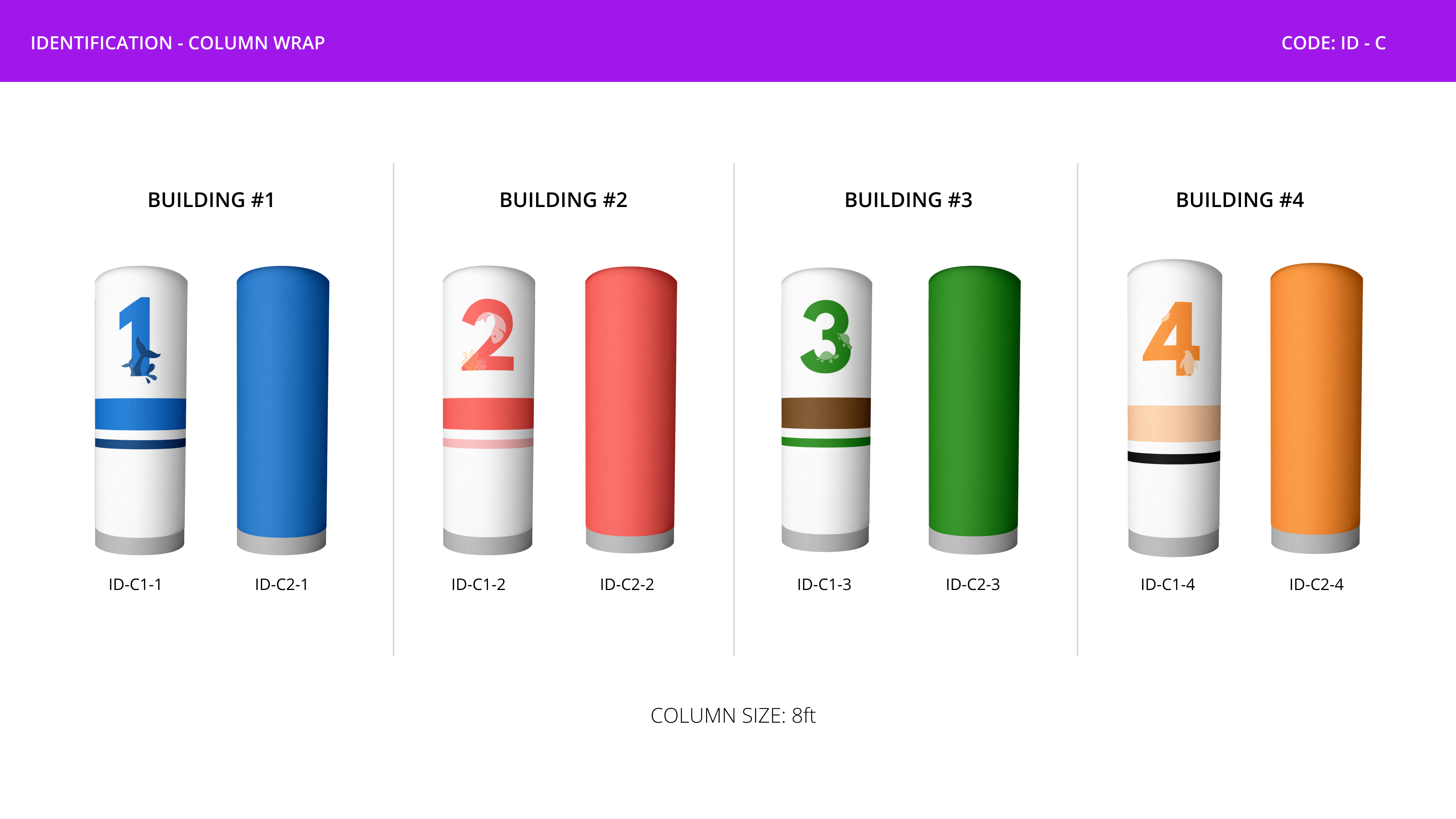
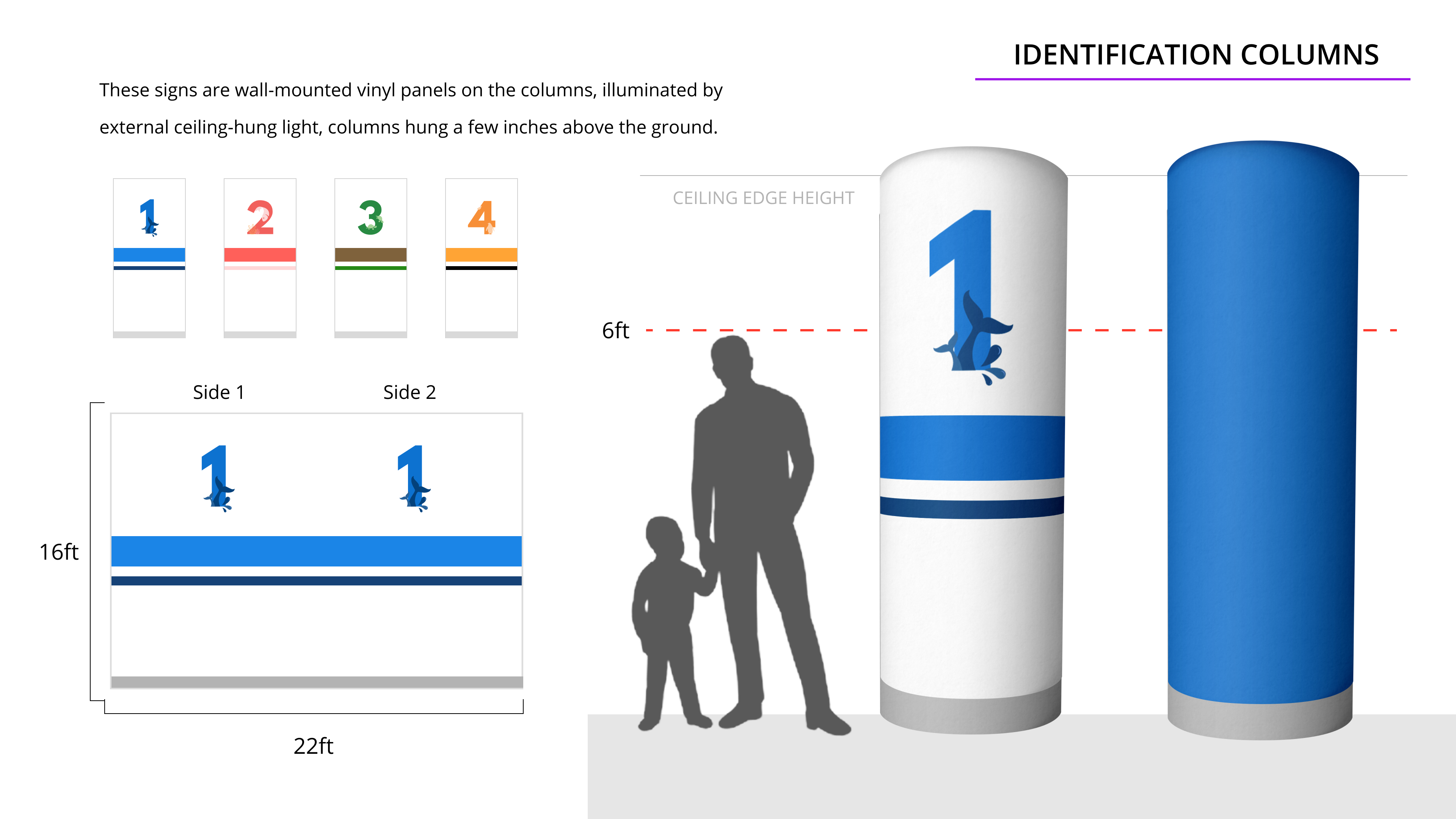
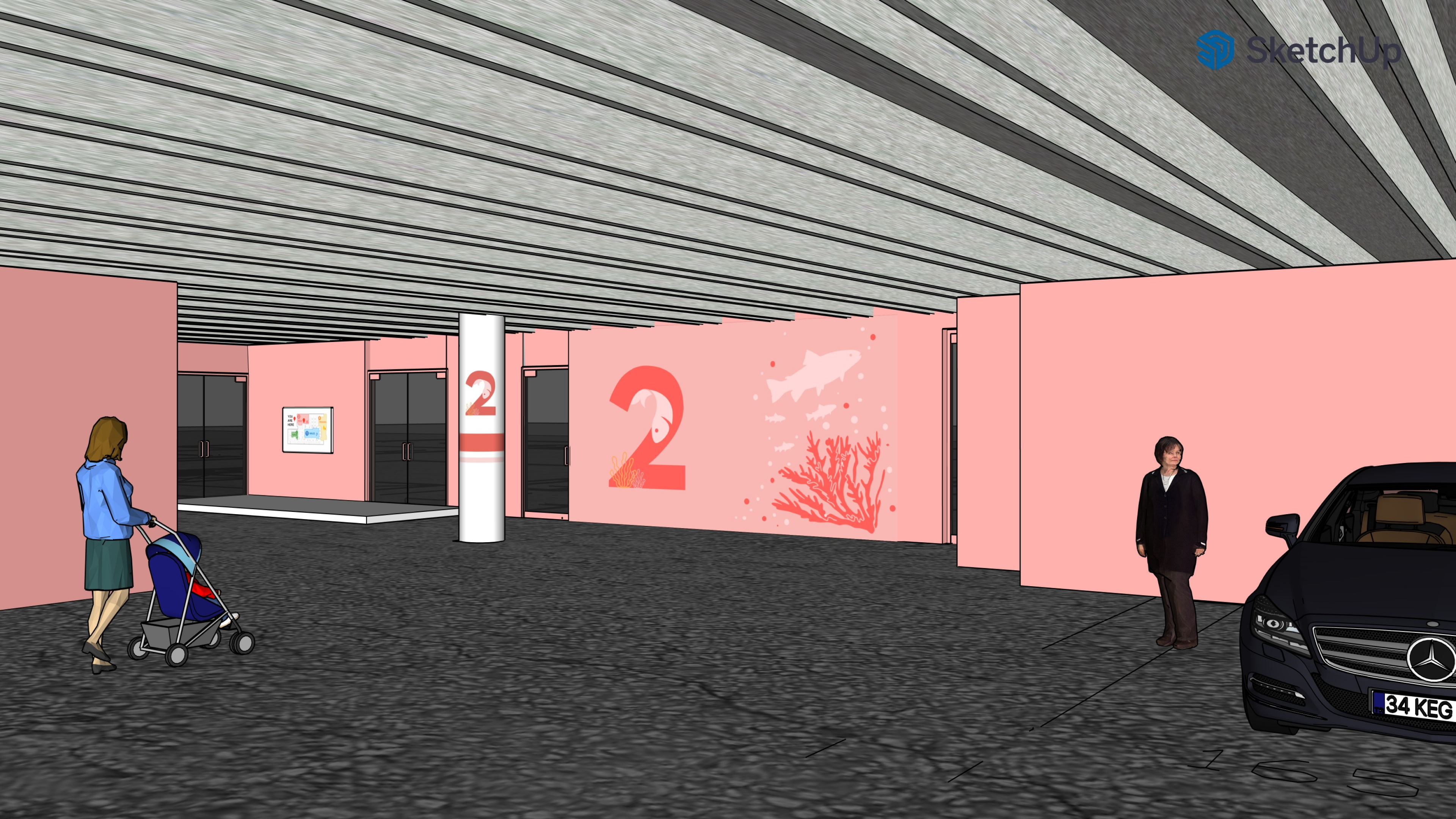
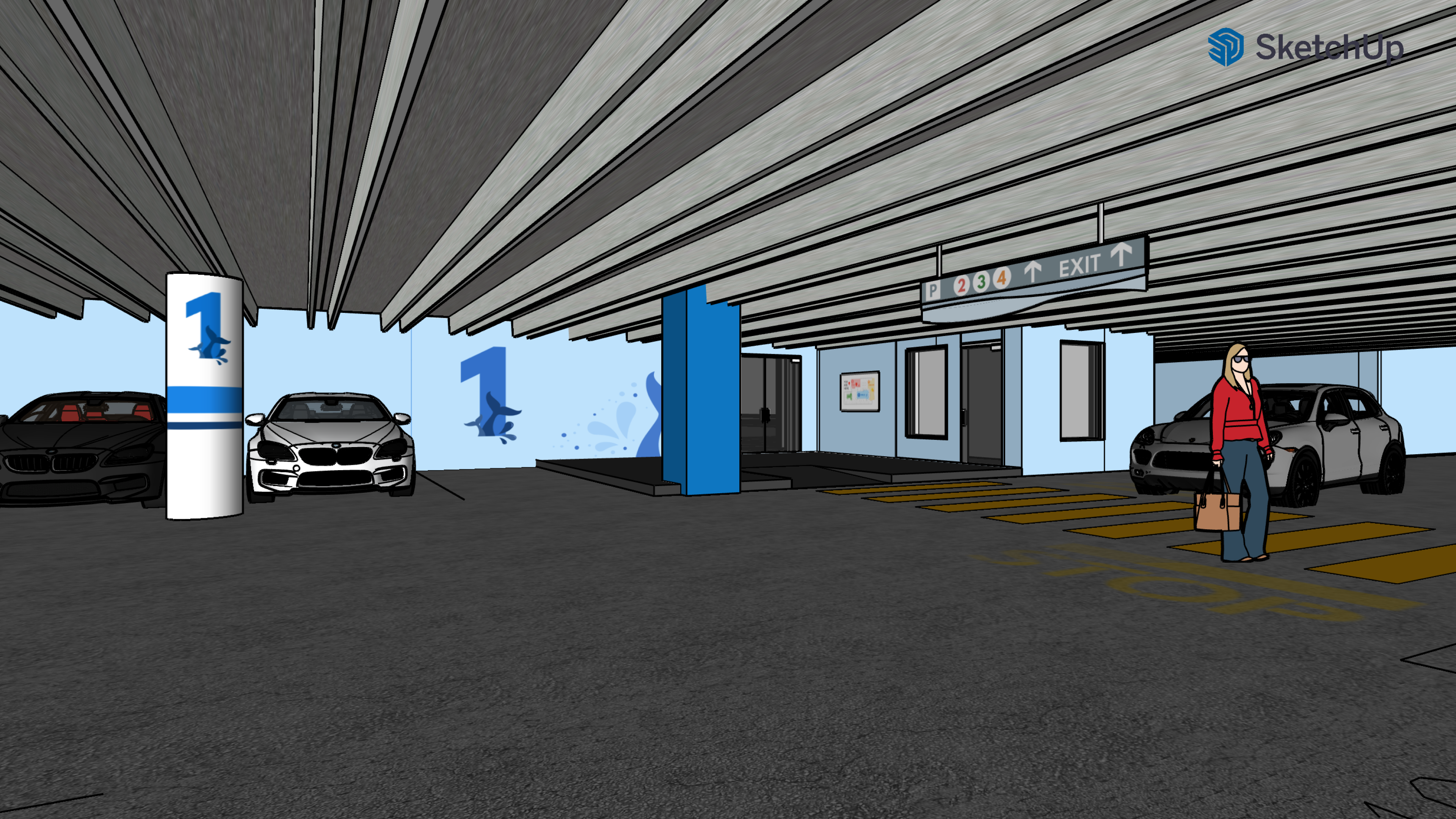
To solve the problem, our team studied wayfinding principles used in public environments and adapted them to Ripley’s context. We developed four unique building zones — Whales, Fish, Turtles, and Penguins — each with its own color, illustrations, and signage visuals. From that foundation, we designed regulatory, directional, orientation, and identification signage to create a unified navigation system that feels intuitive and engaging.
OUTCOME
The final proposal presents a functional, scalable wayfinding system that communicates direction with clarity and personality. By tying navigational elements into aquatic themes, the system stays aligned with Ripley’s branding while improving user confidence and identifying key decision points. The final layouts clearly communicate orientation, reduce confusion, and create a smoother overall visitor journey.
MAIN TOOLSET
 Chat GPT
 Figma
Figma
 Illustrator
 Photoshop
 Sketchup
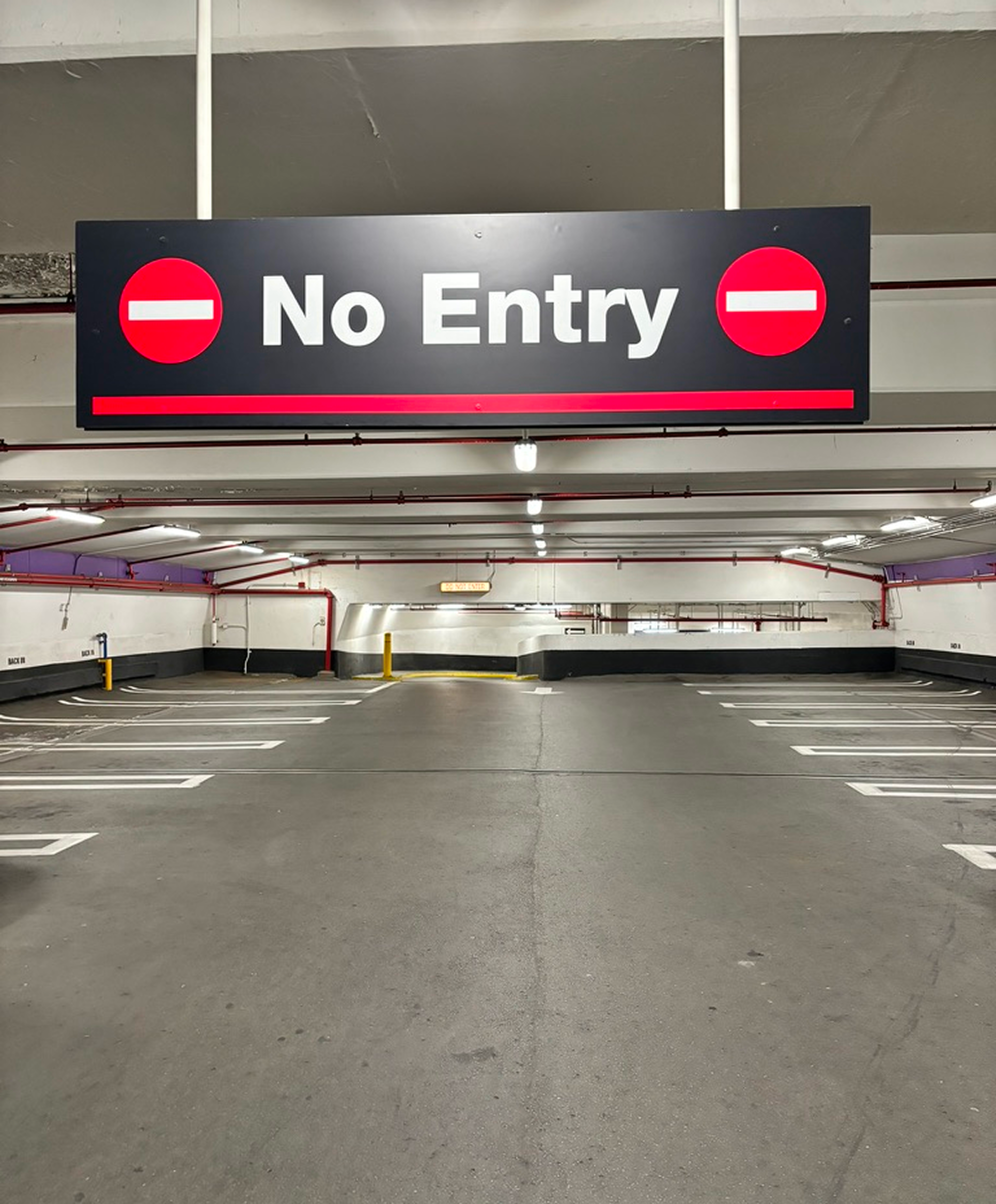
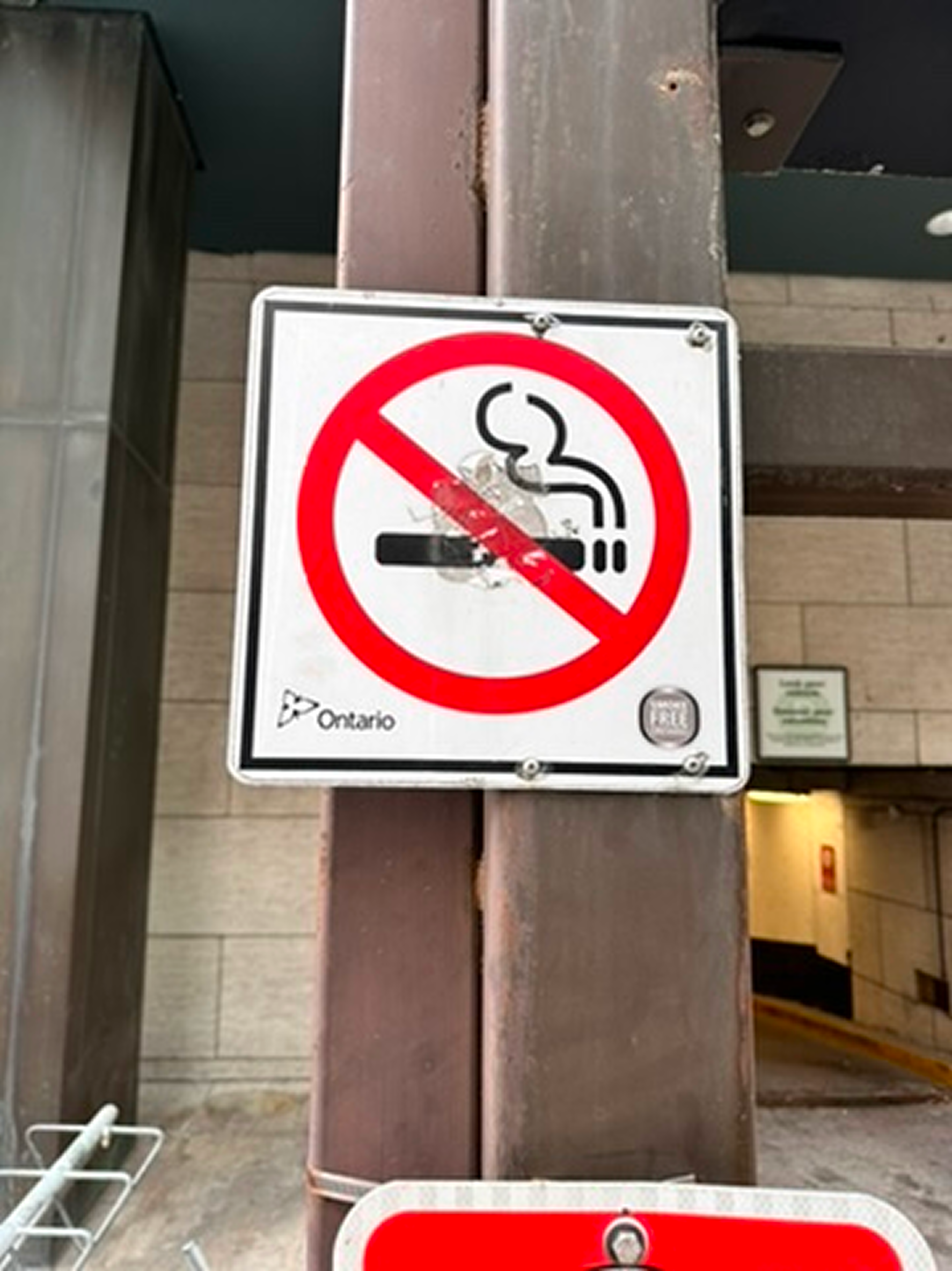
FIELD IMAGES
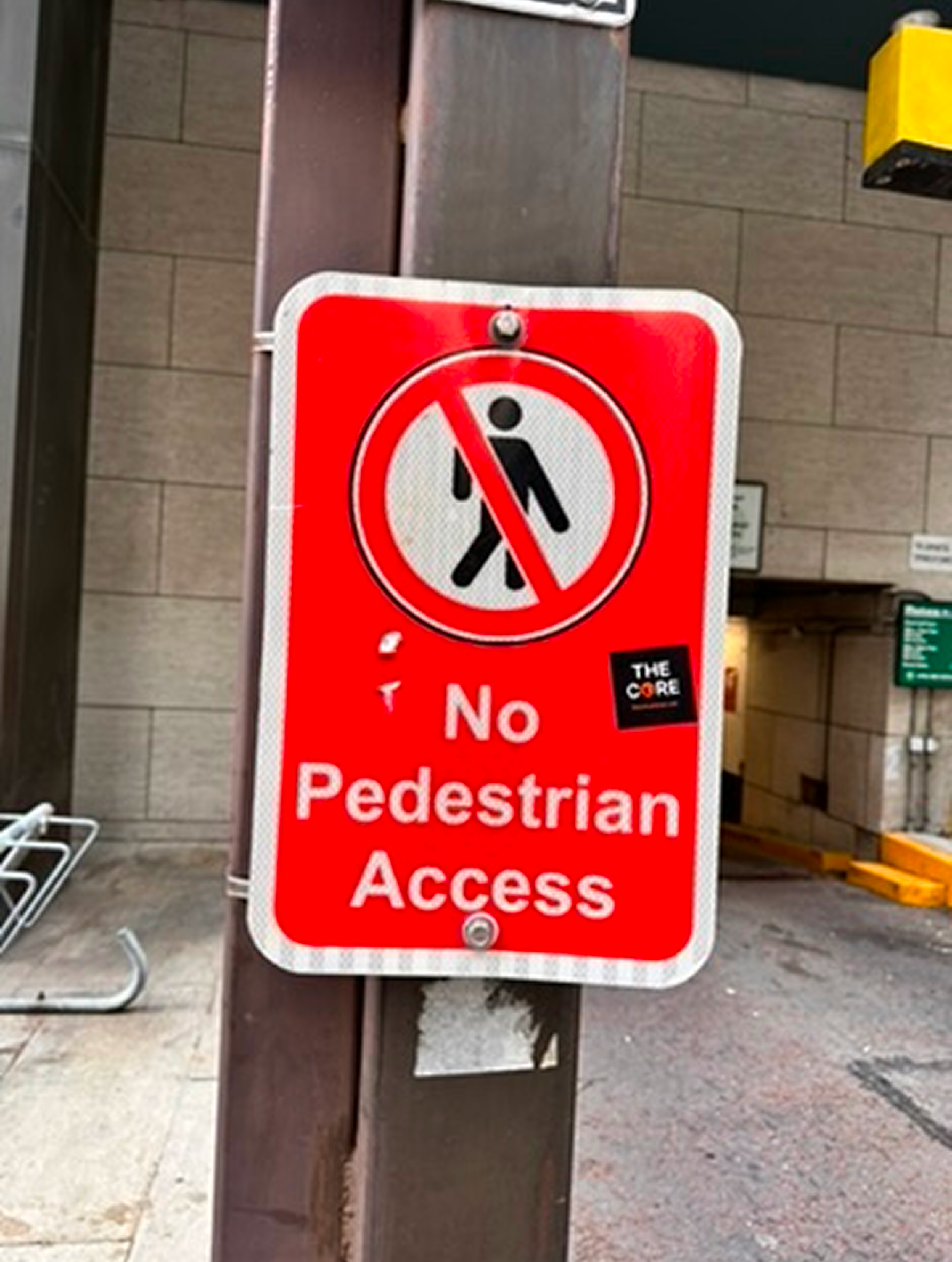
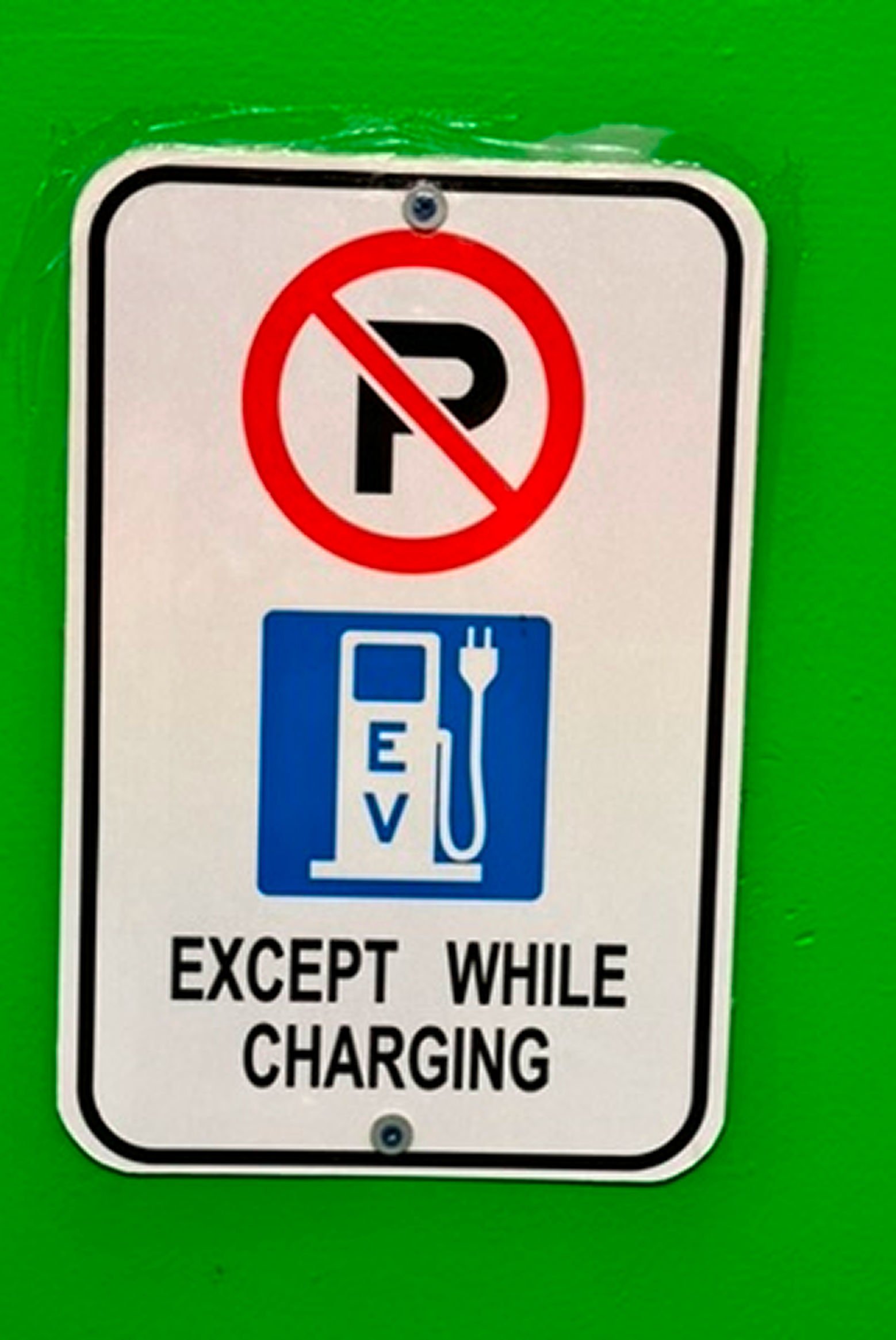
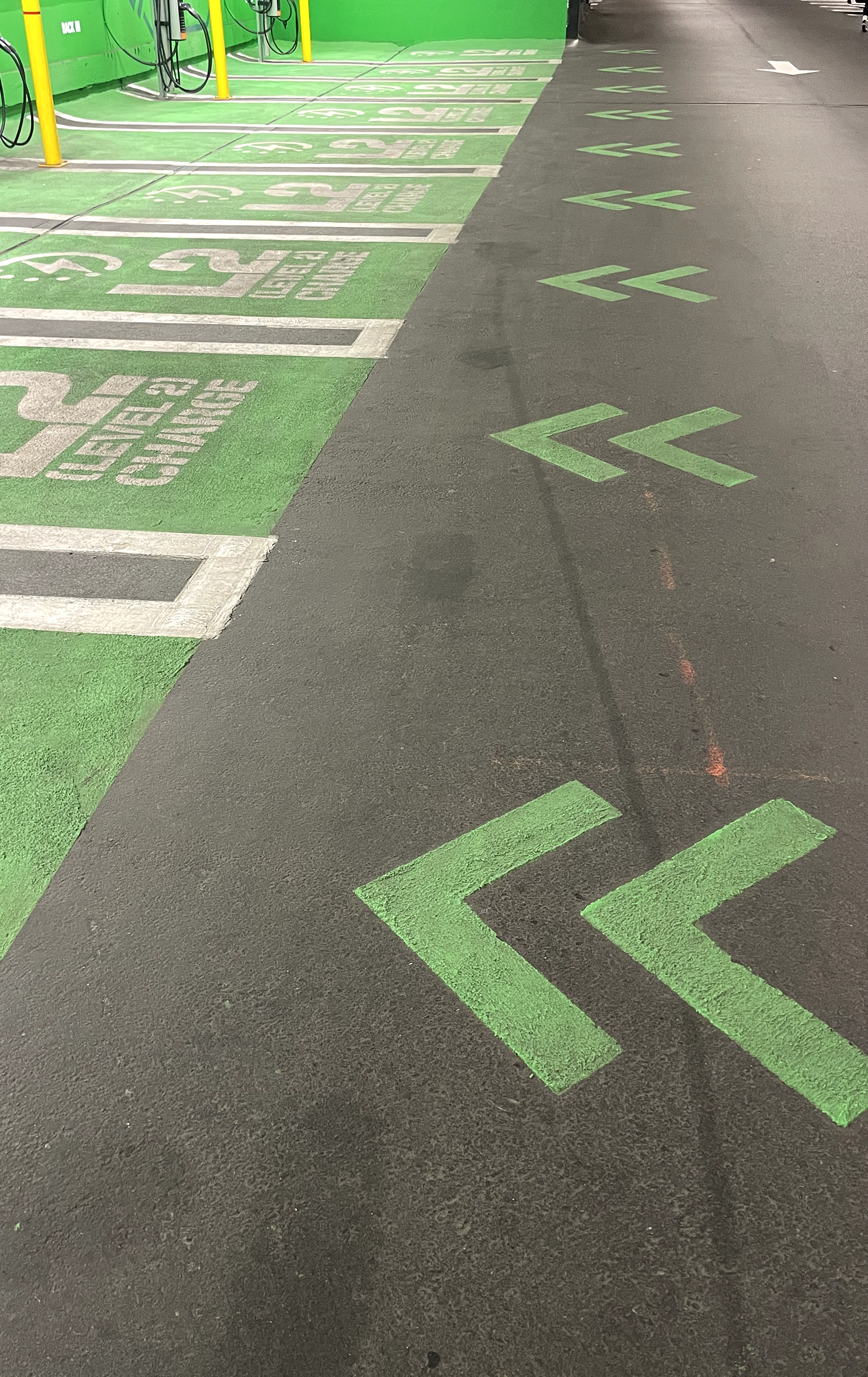
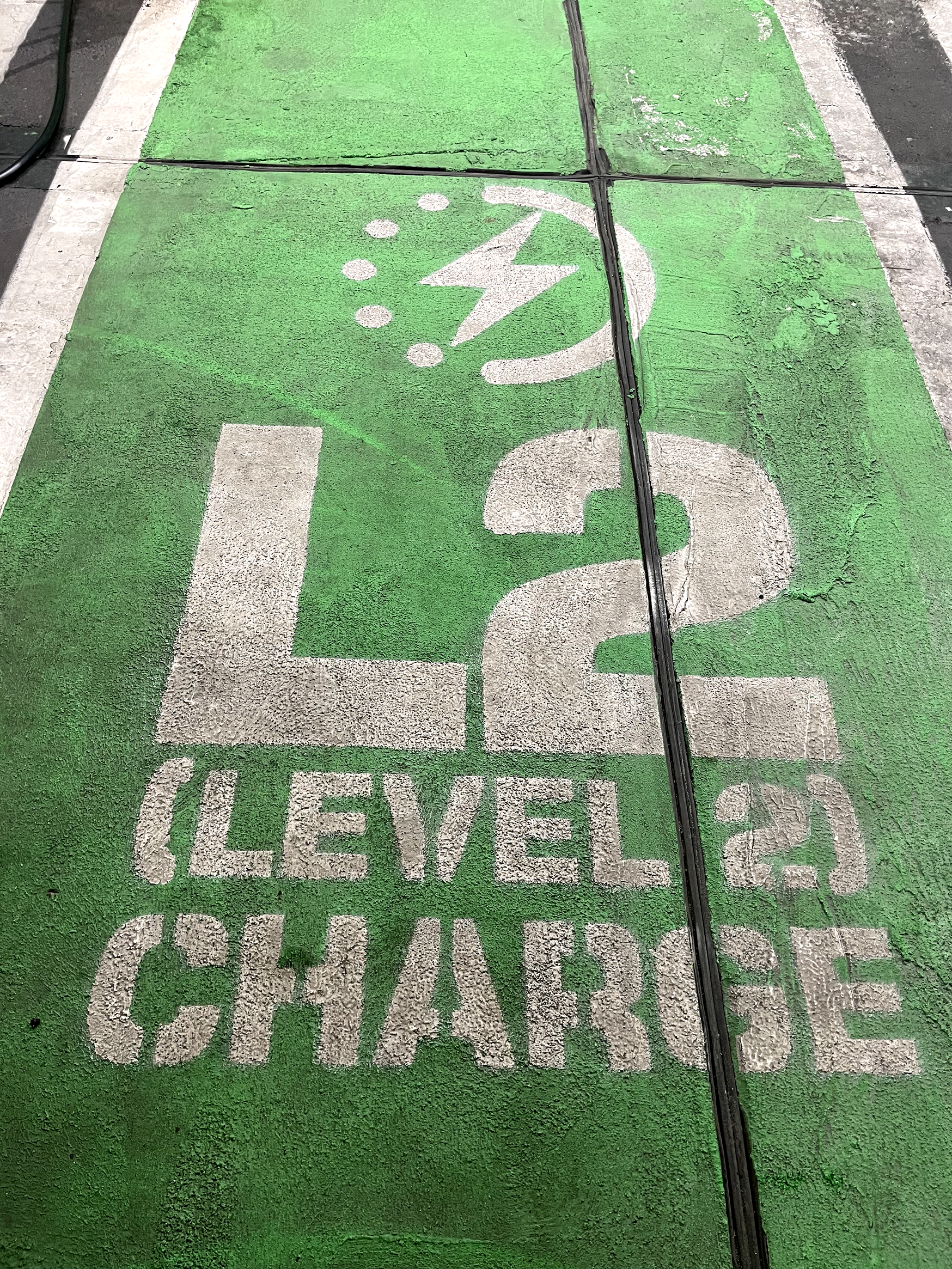
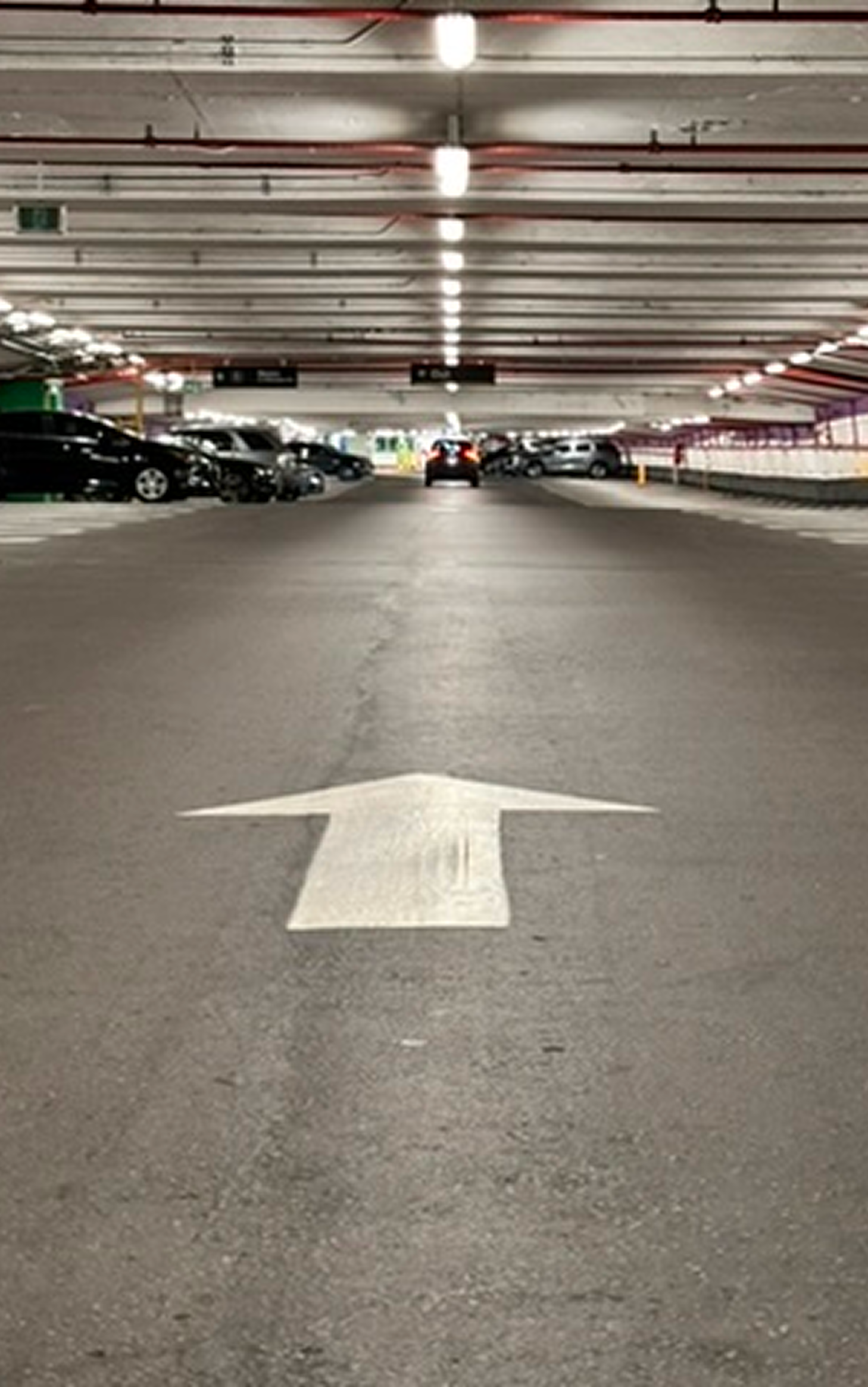
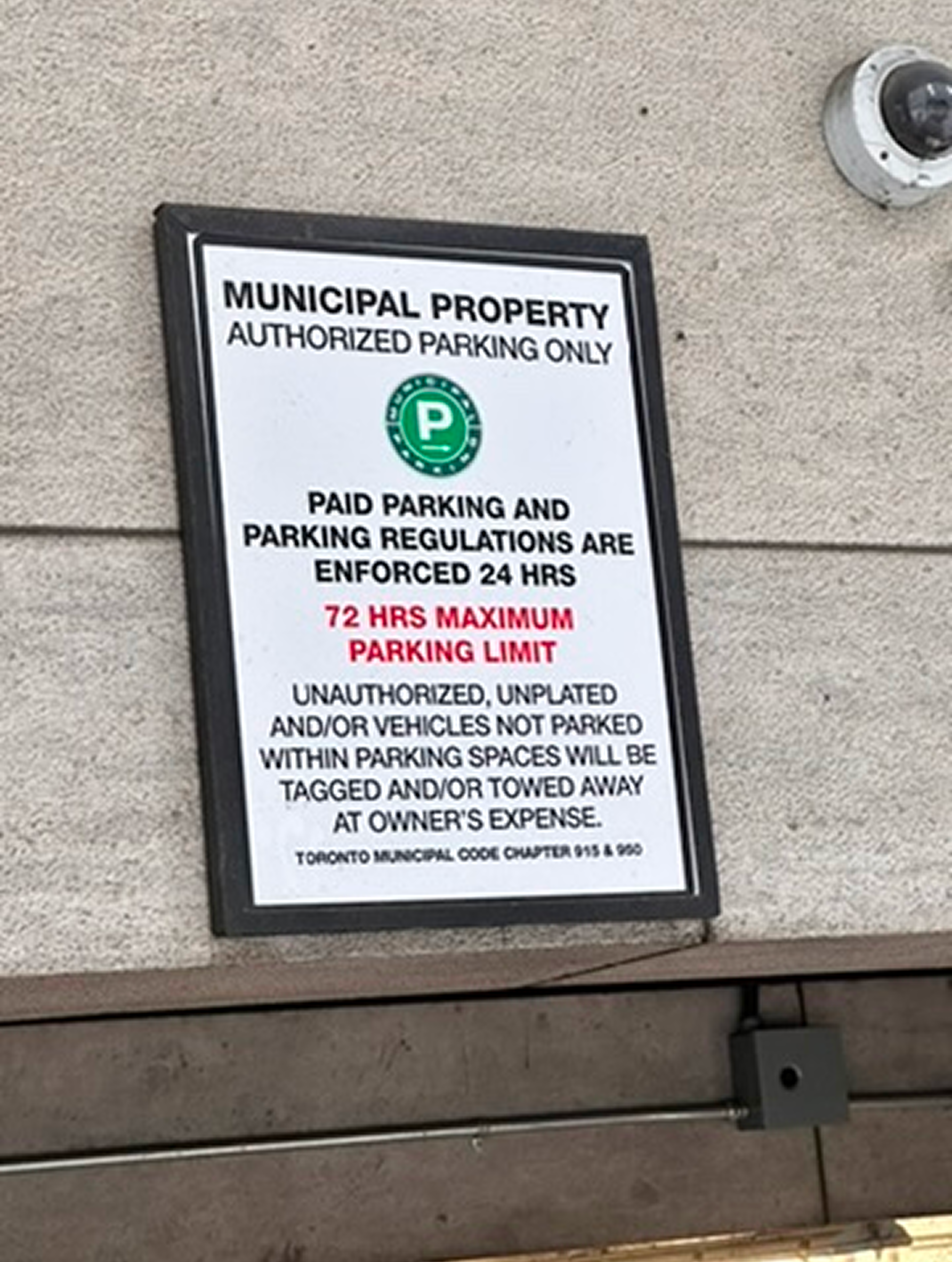

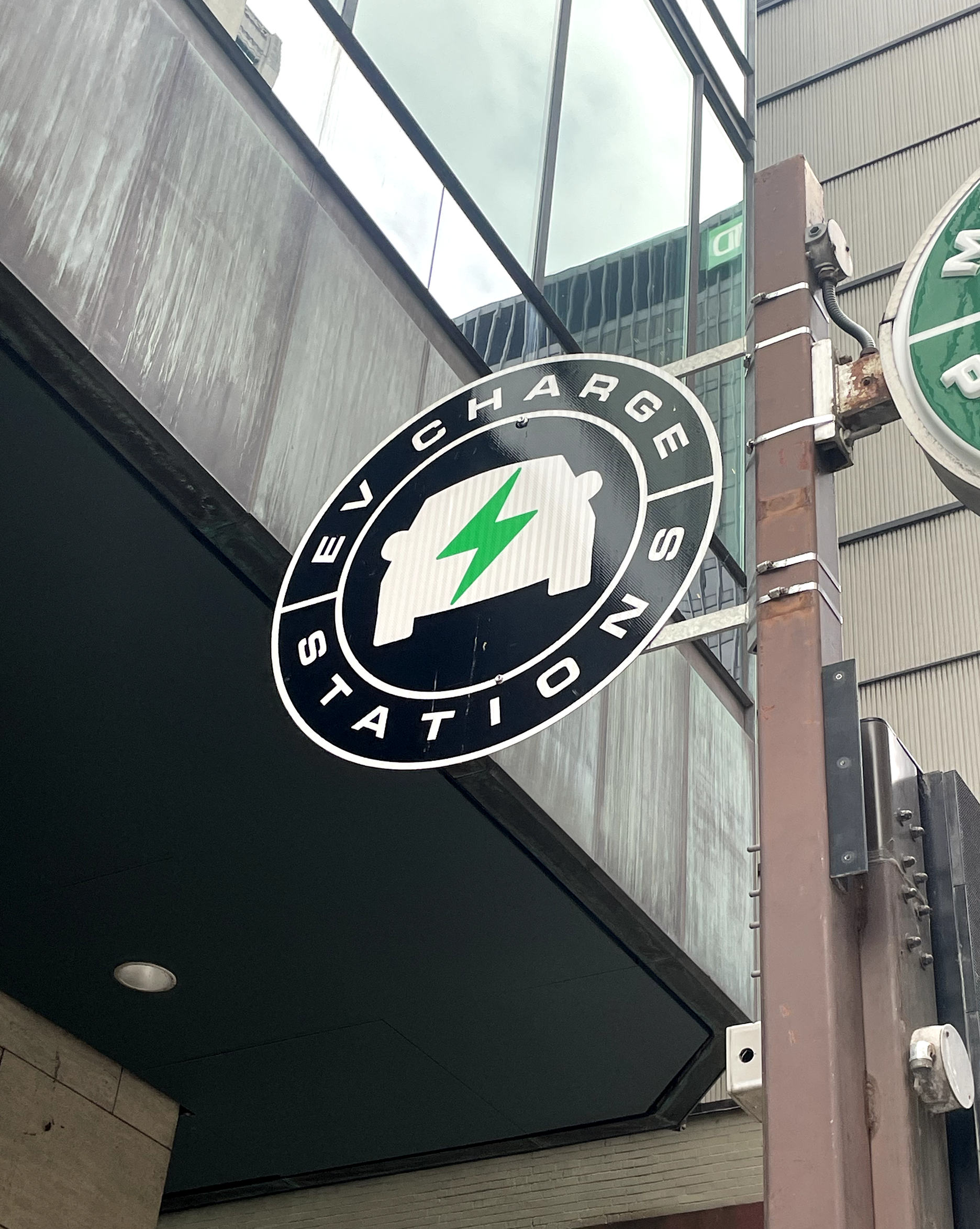
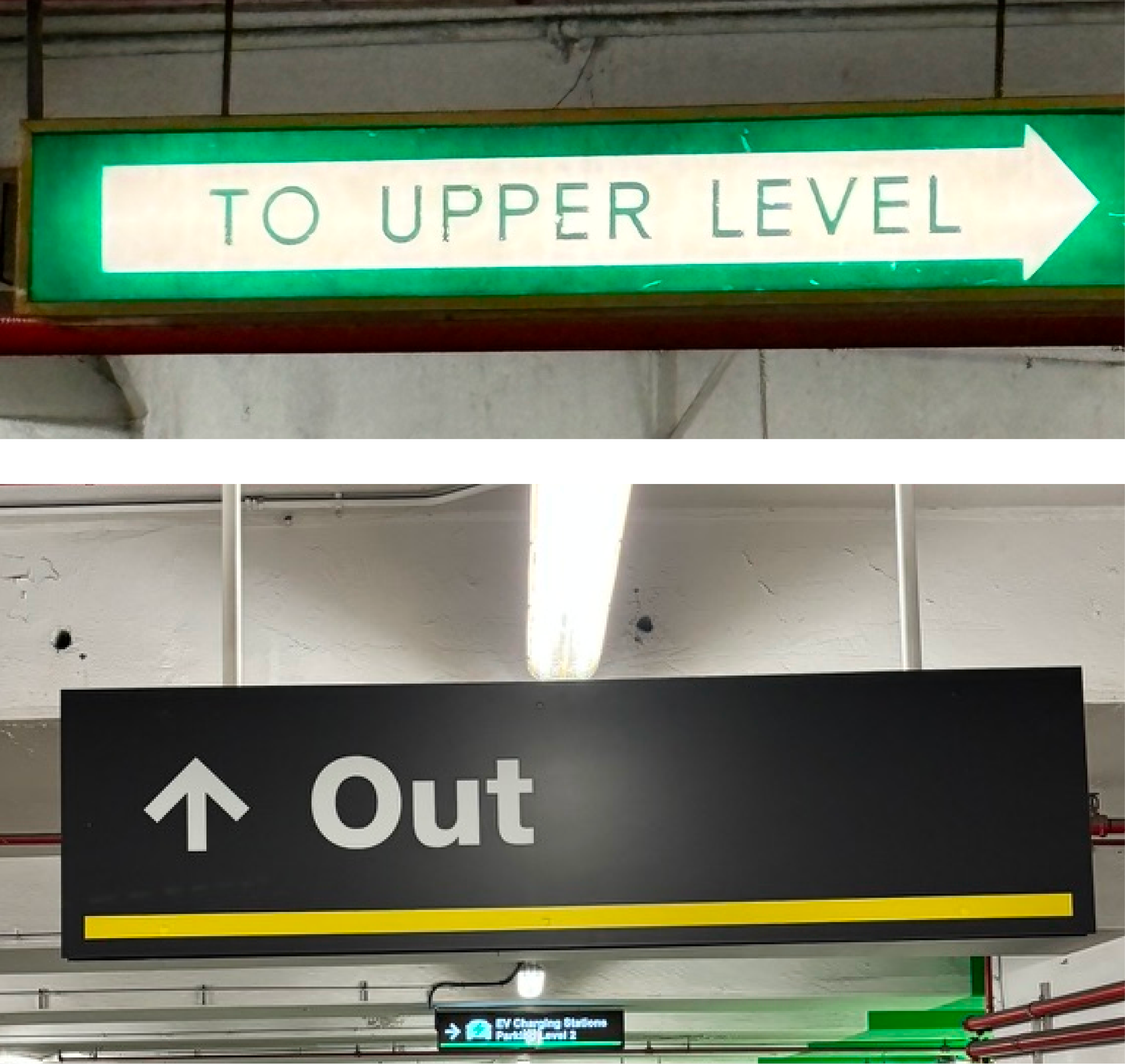
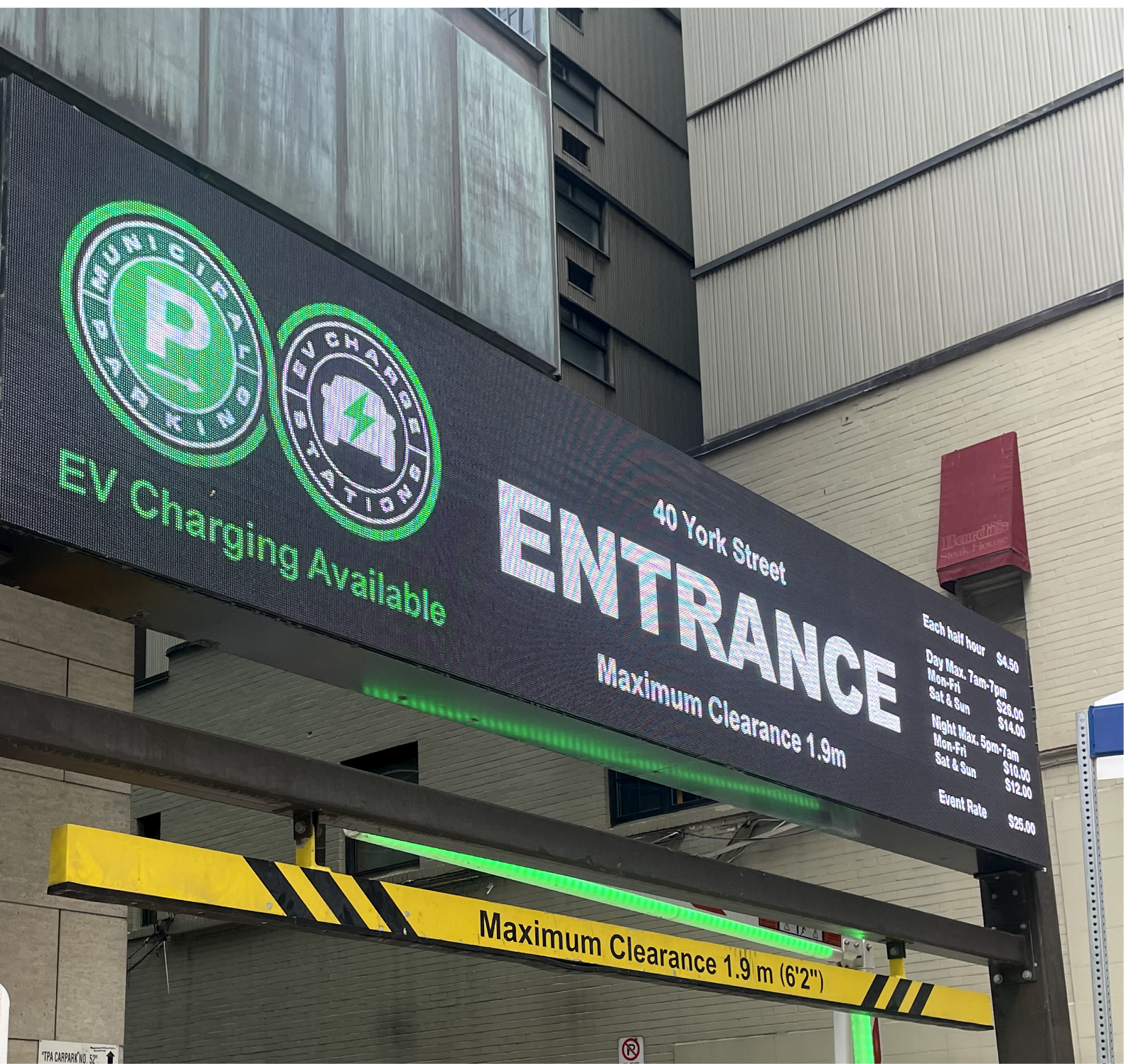
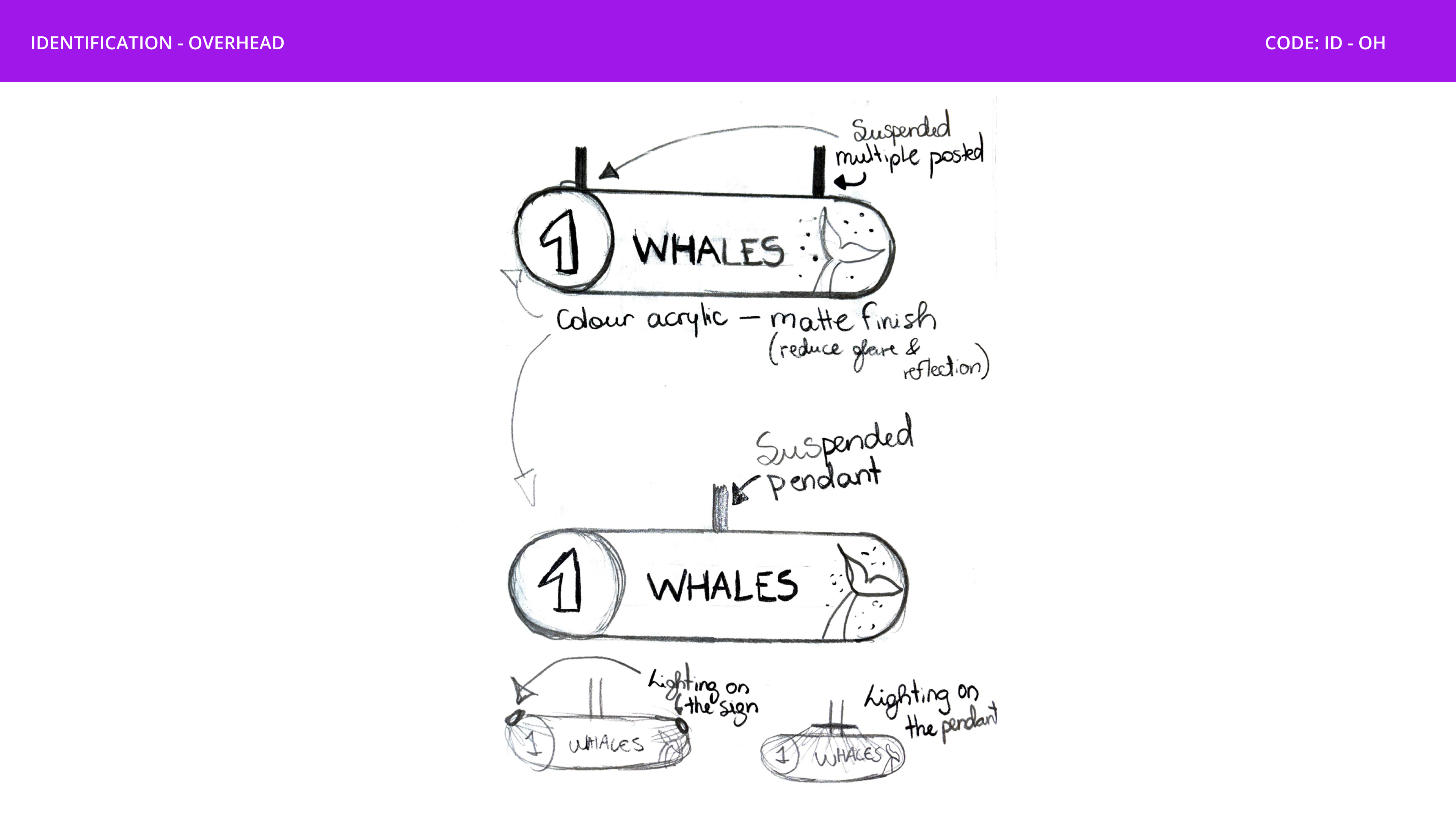
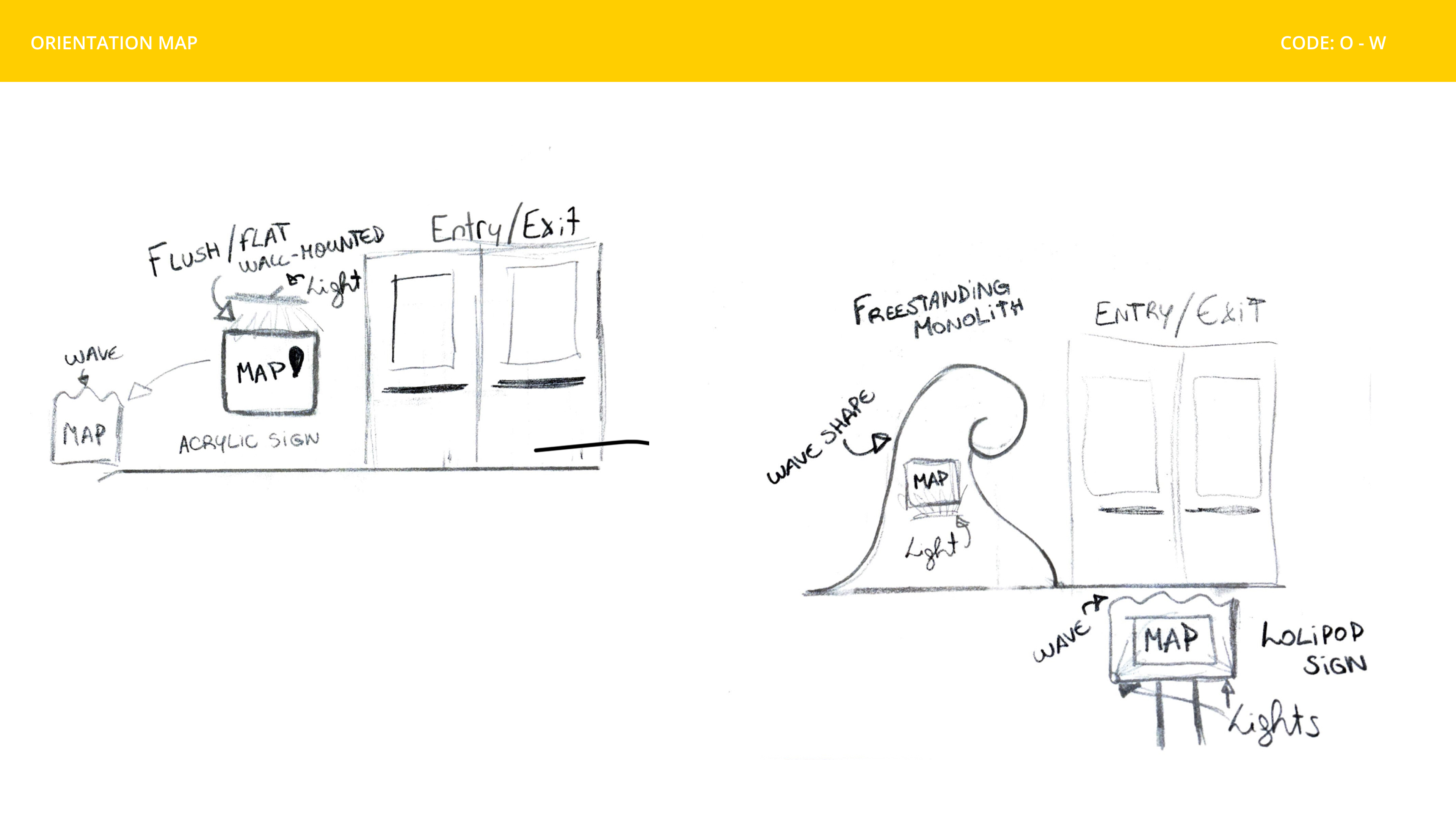
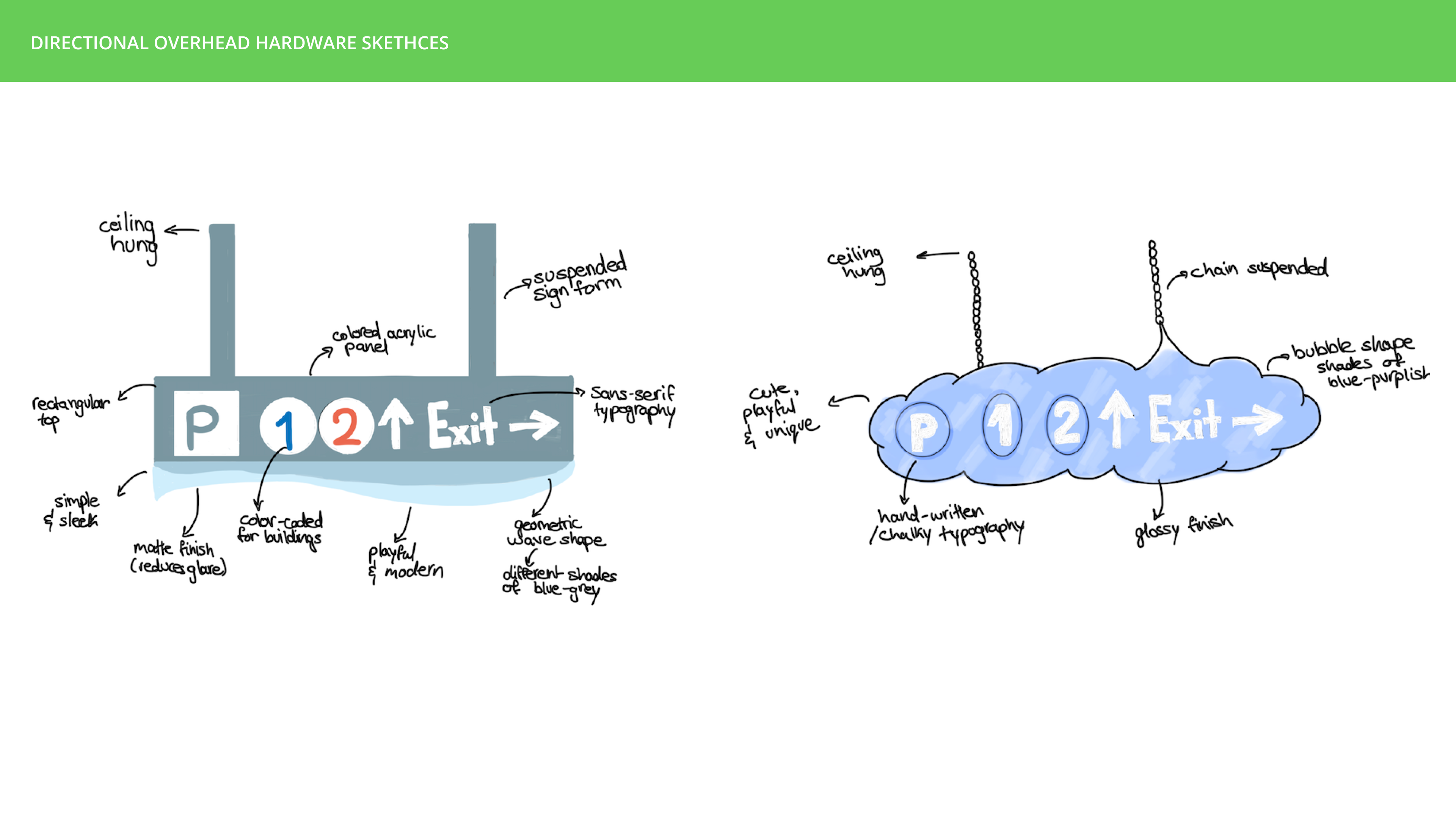
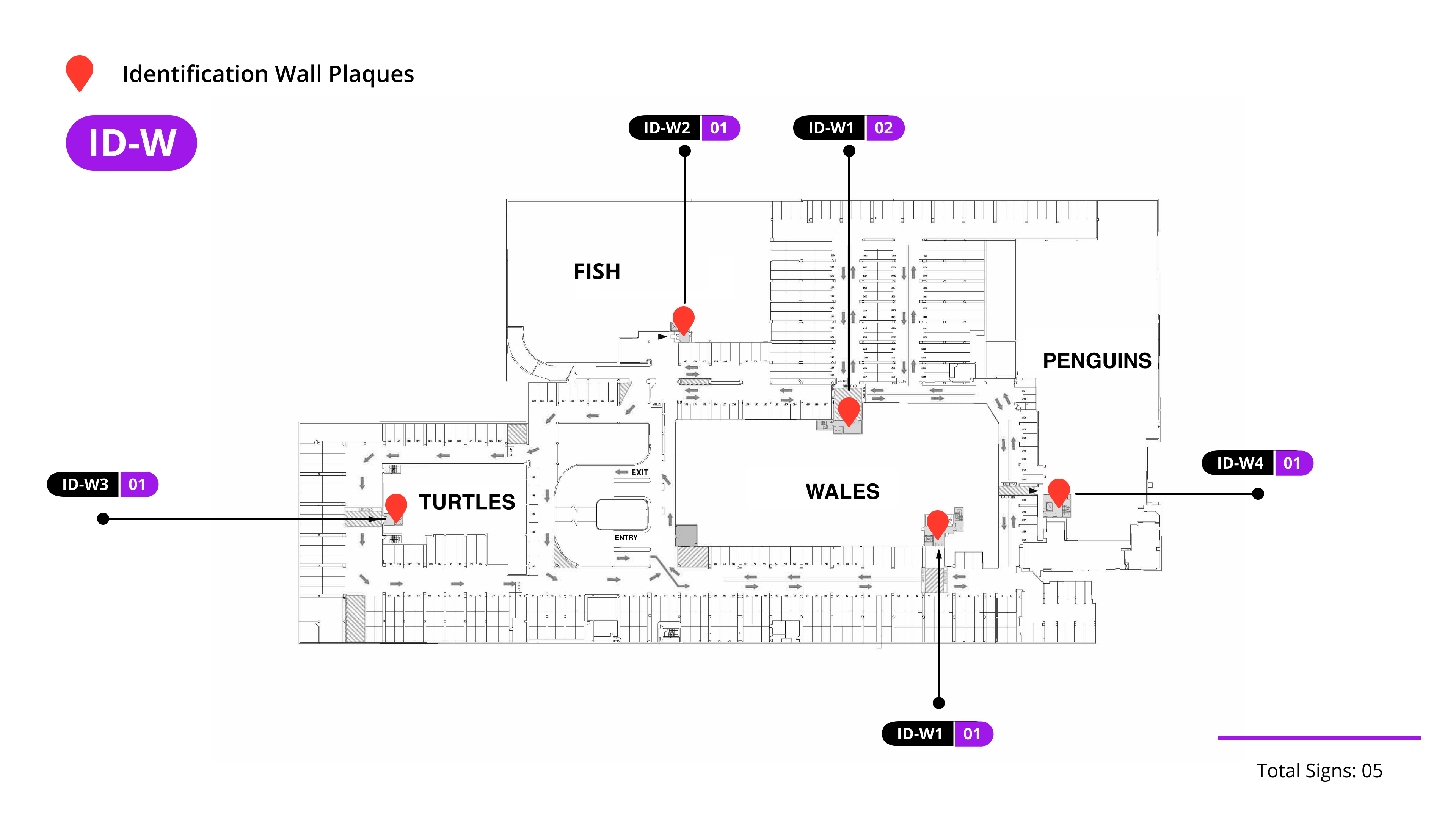
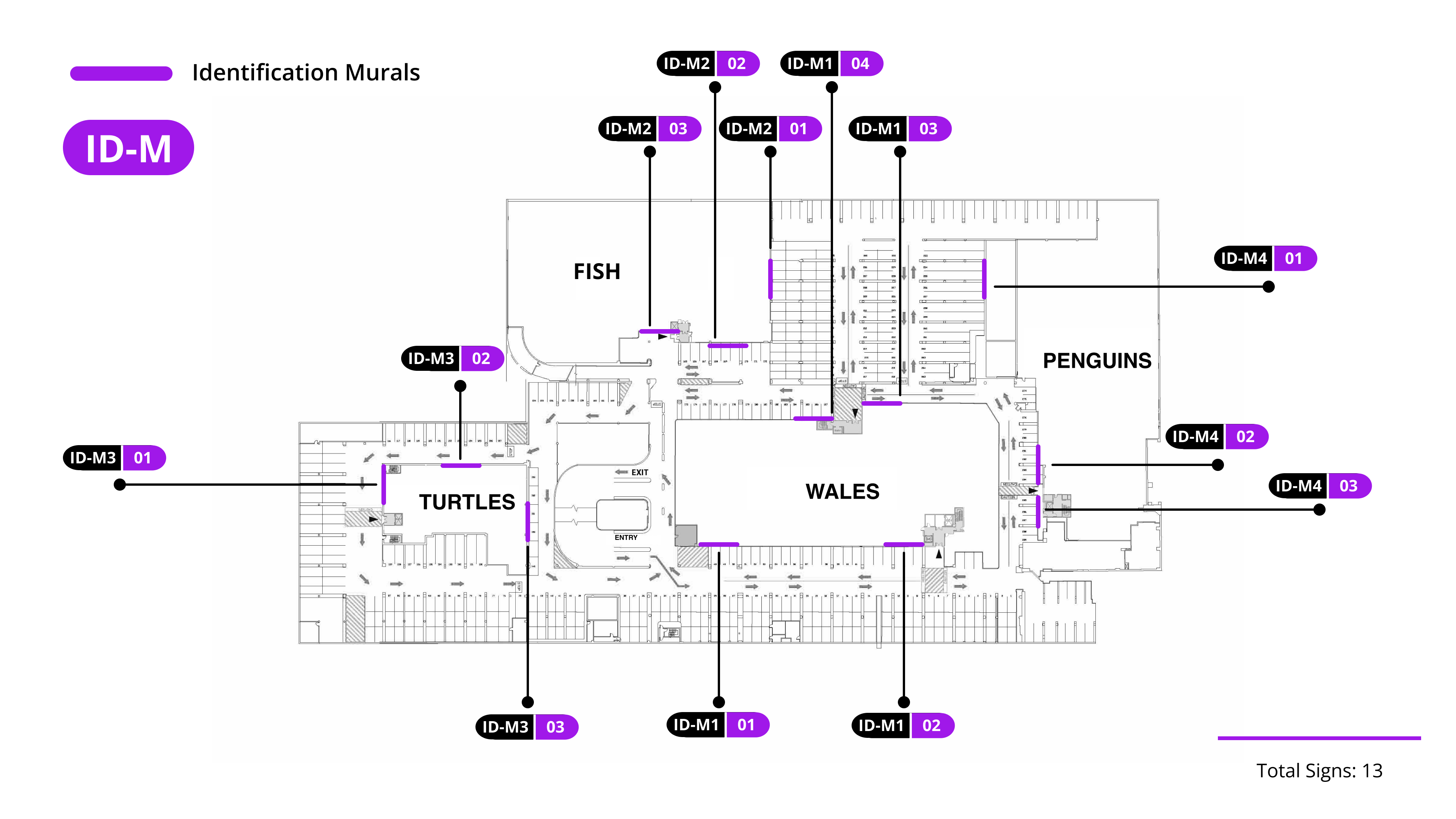
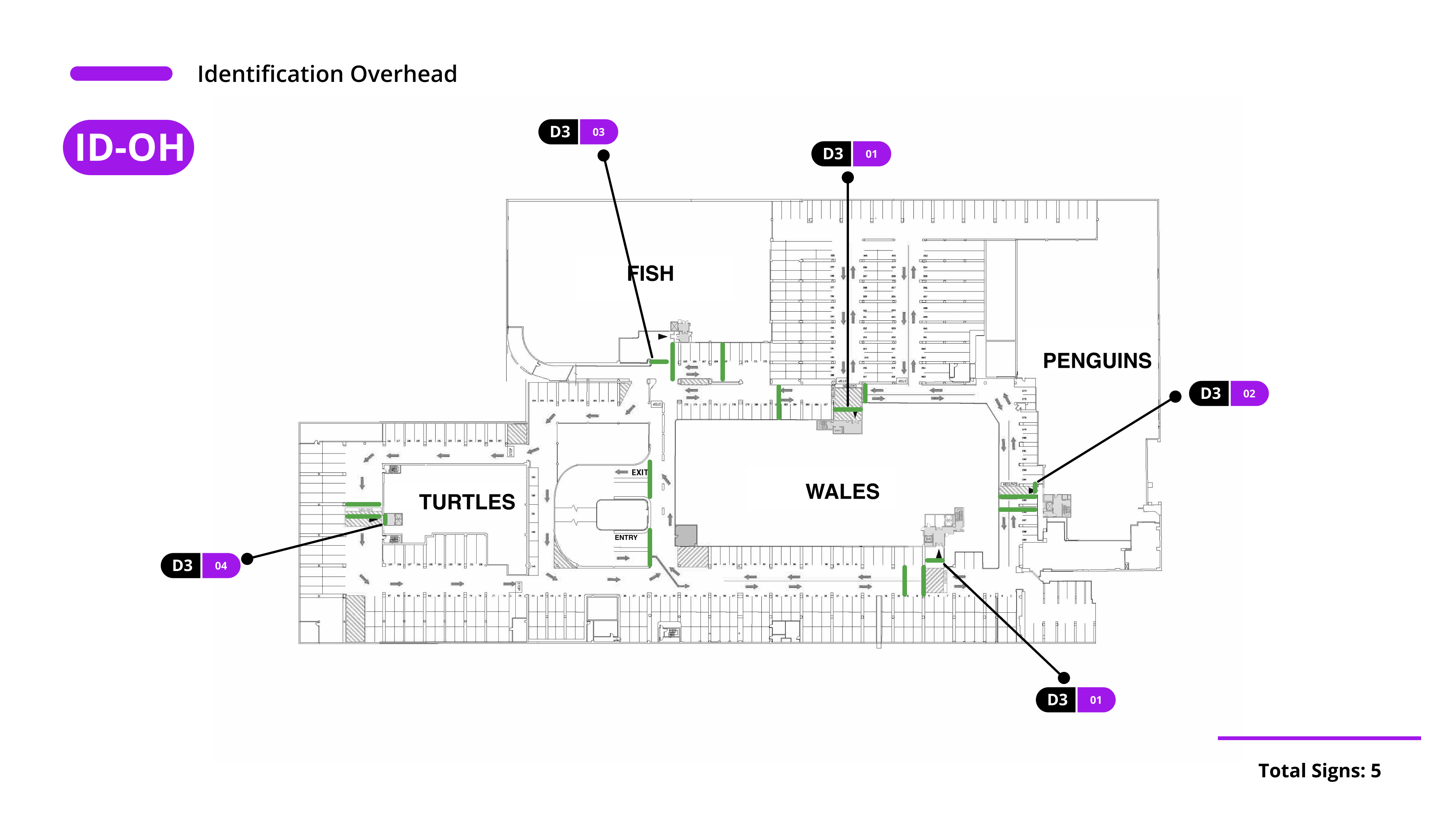
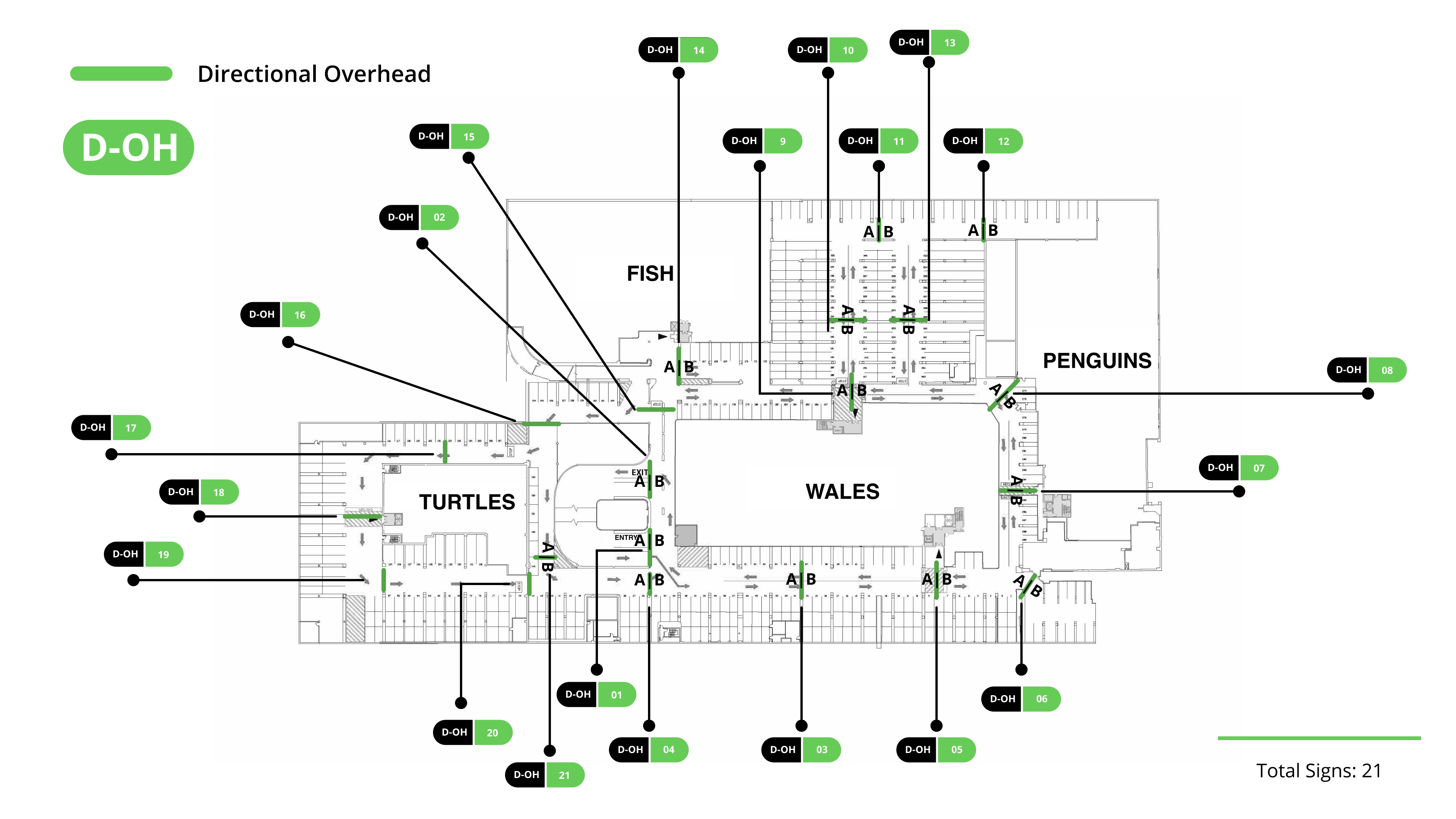
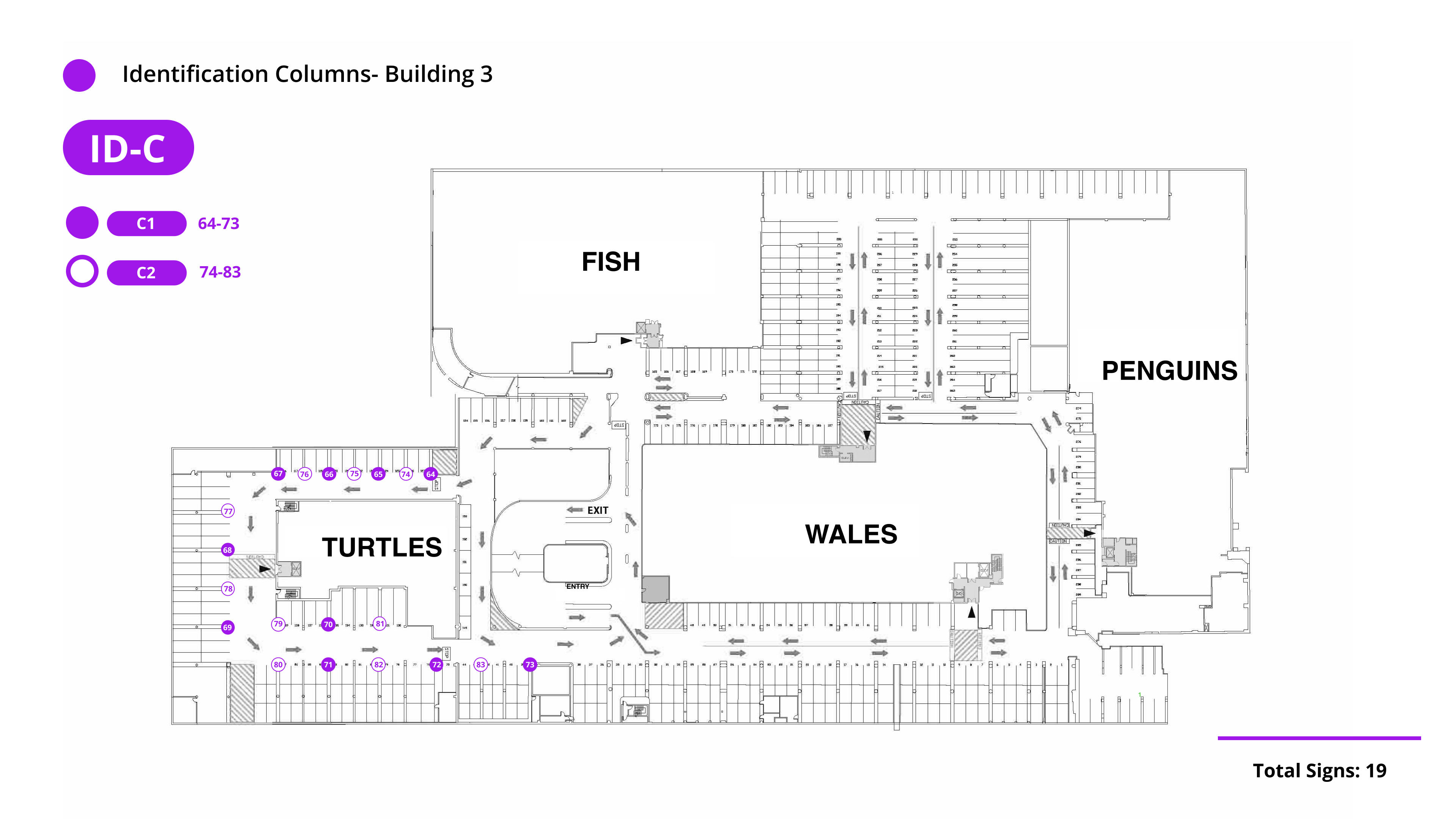
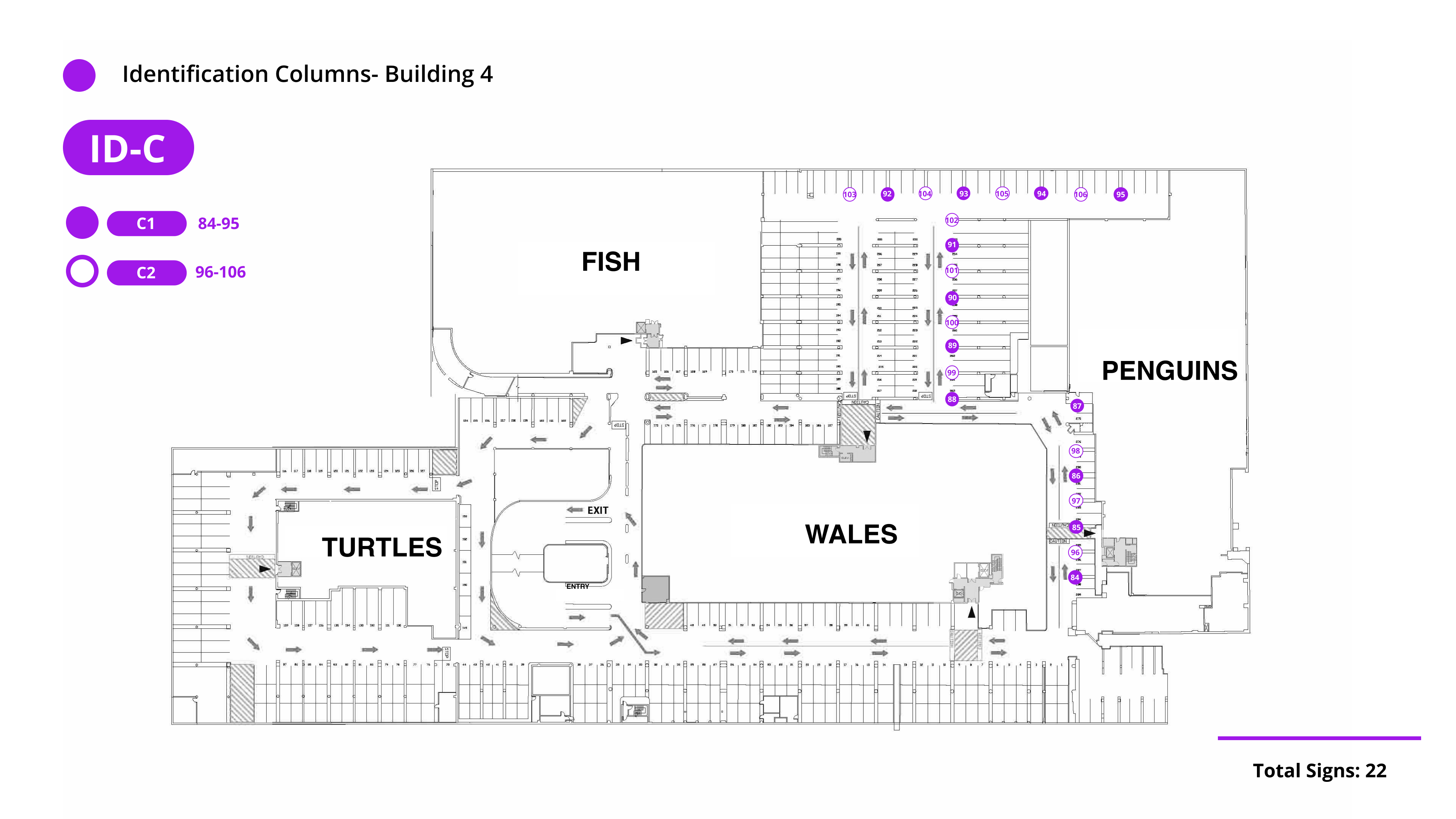
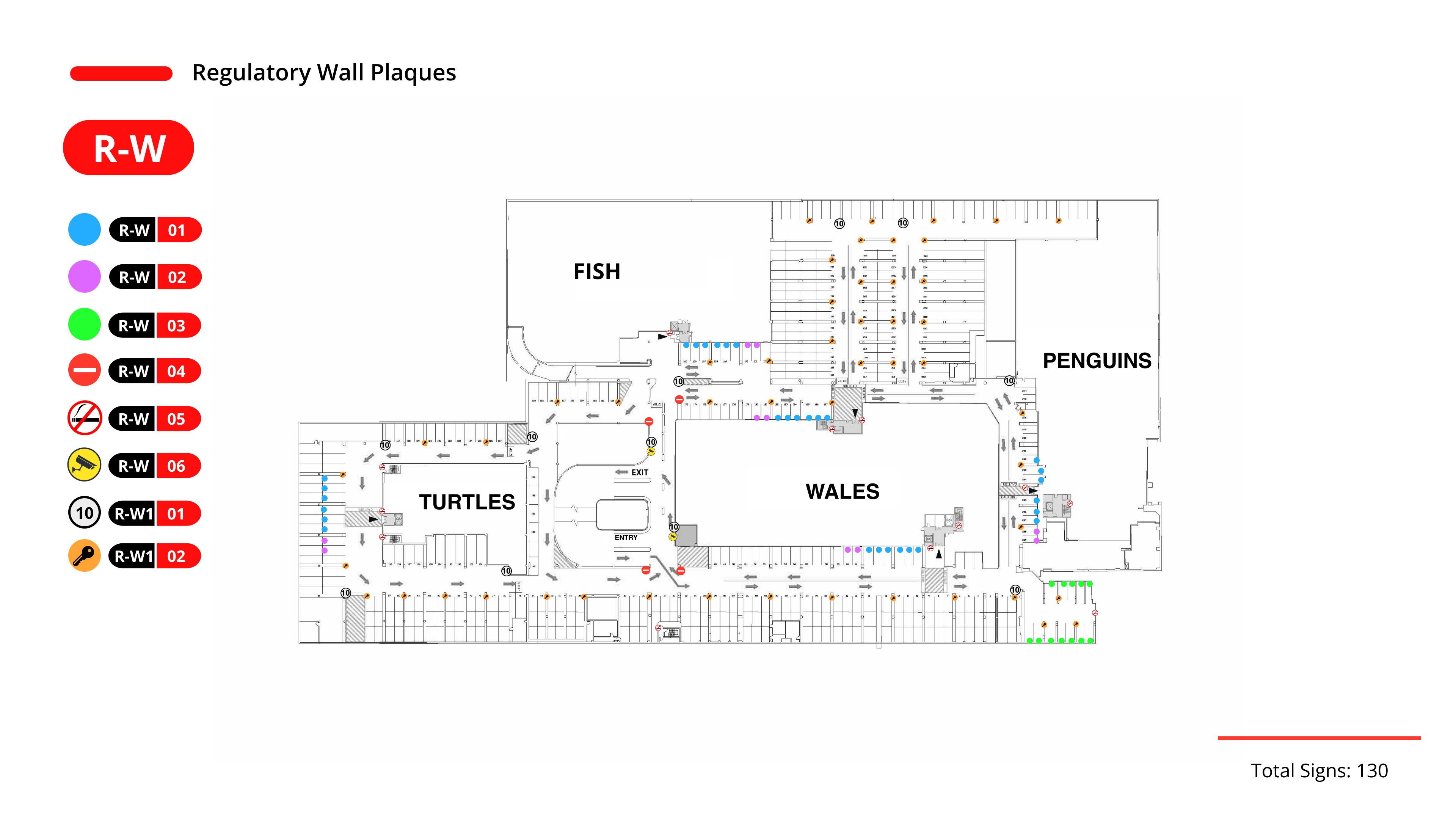
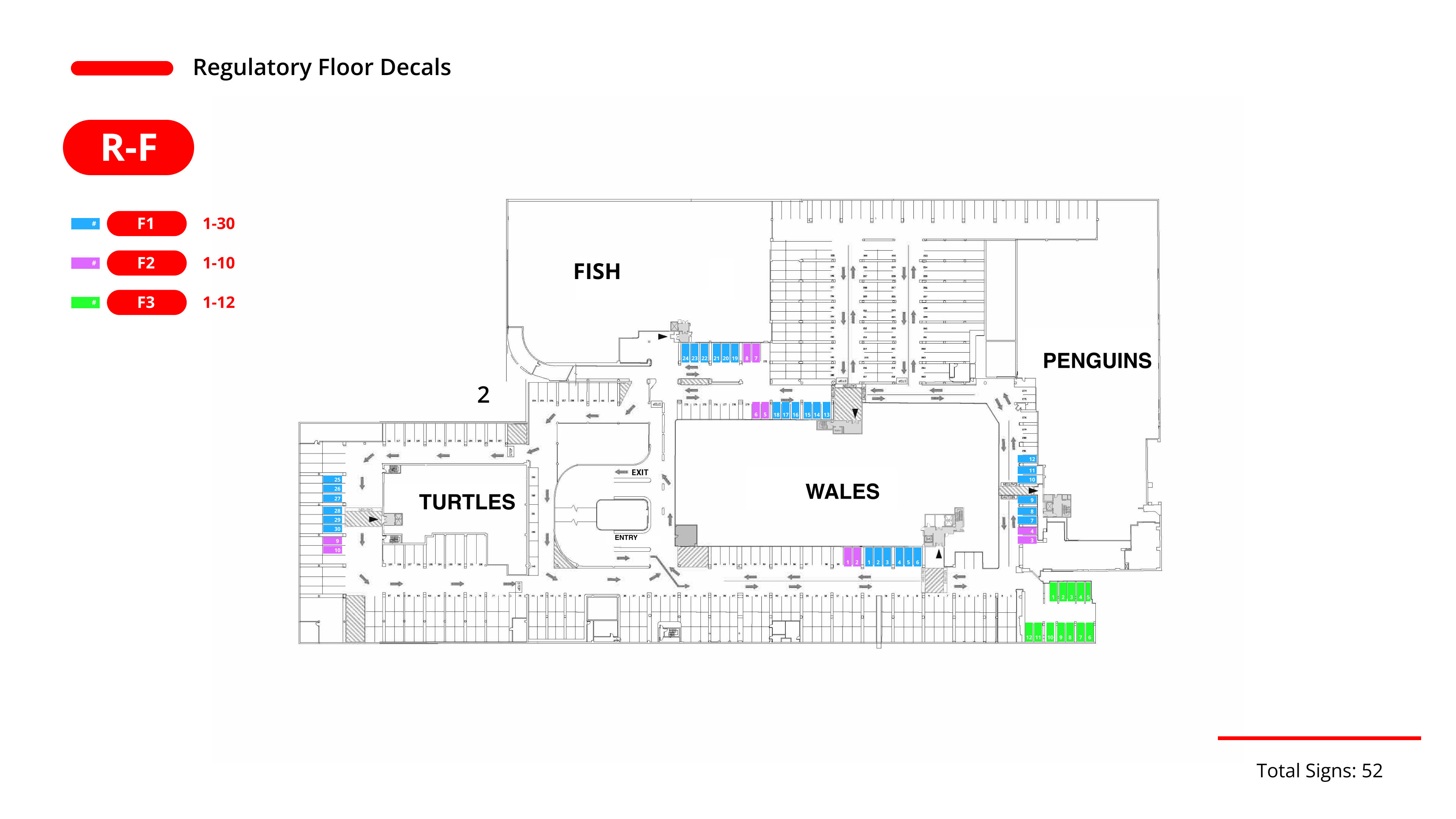


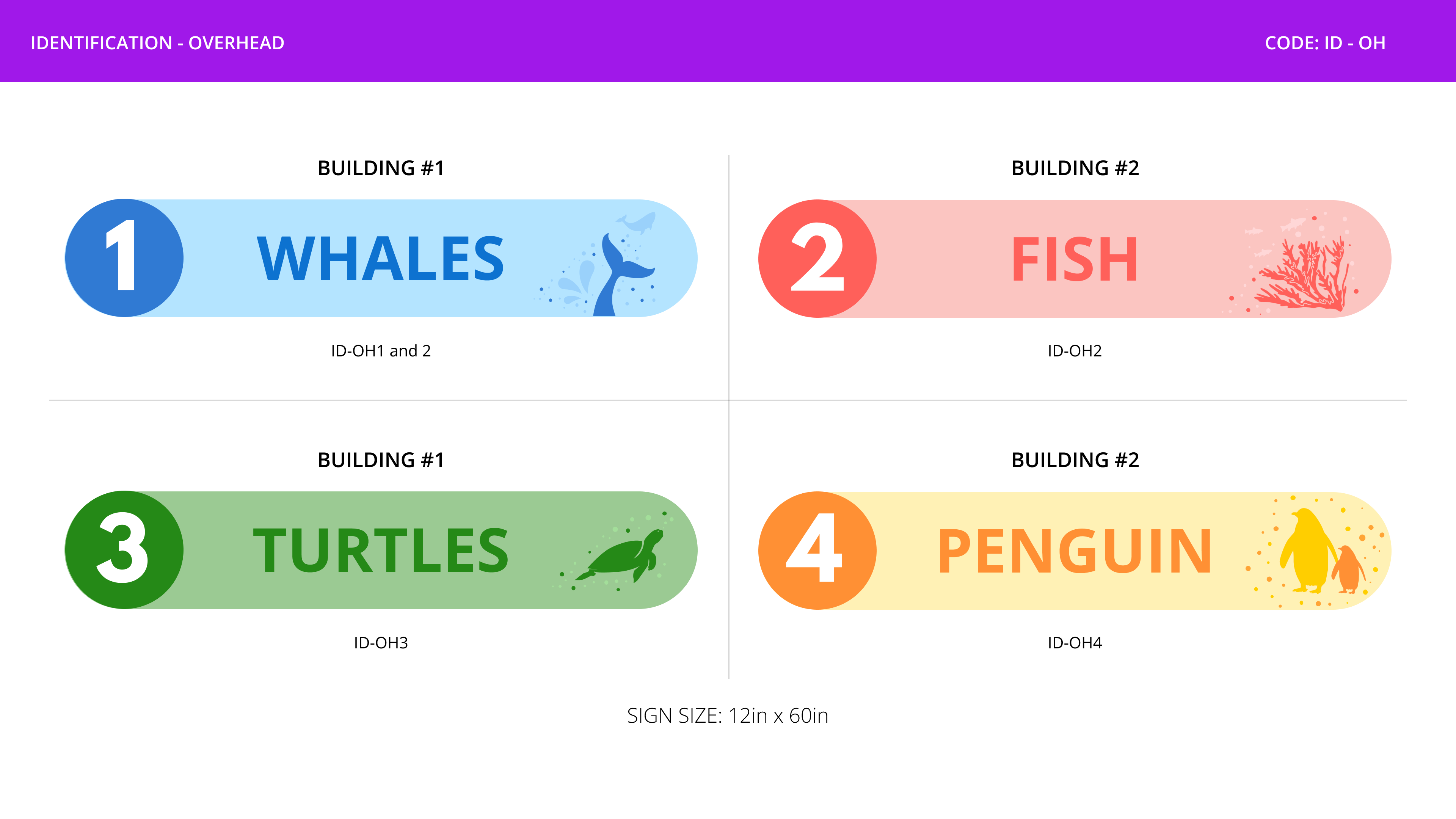
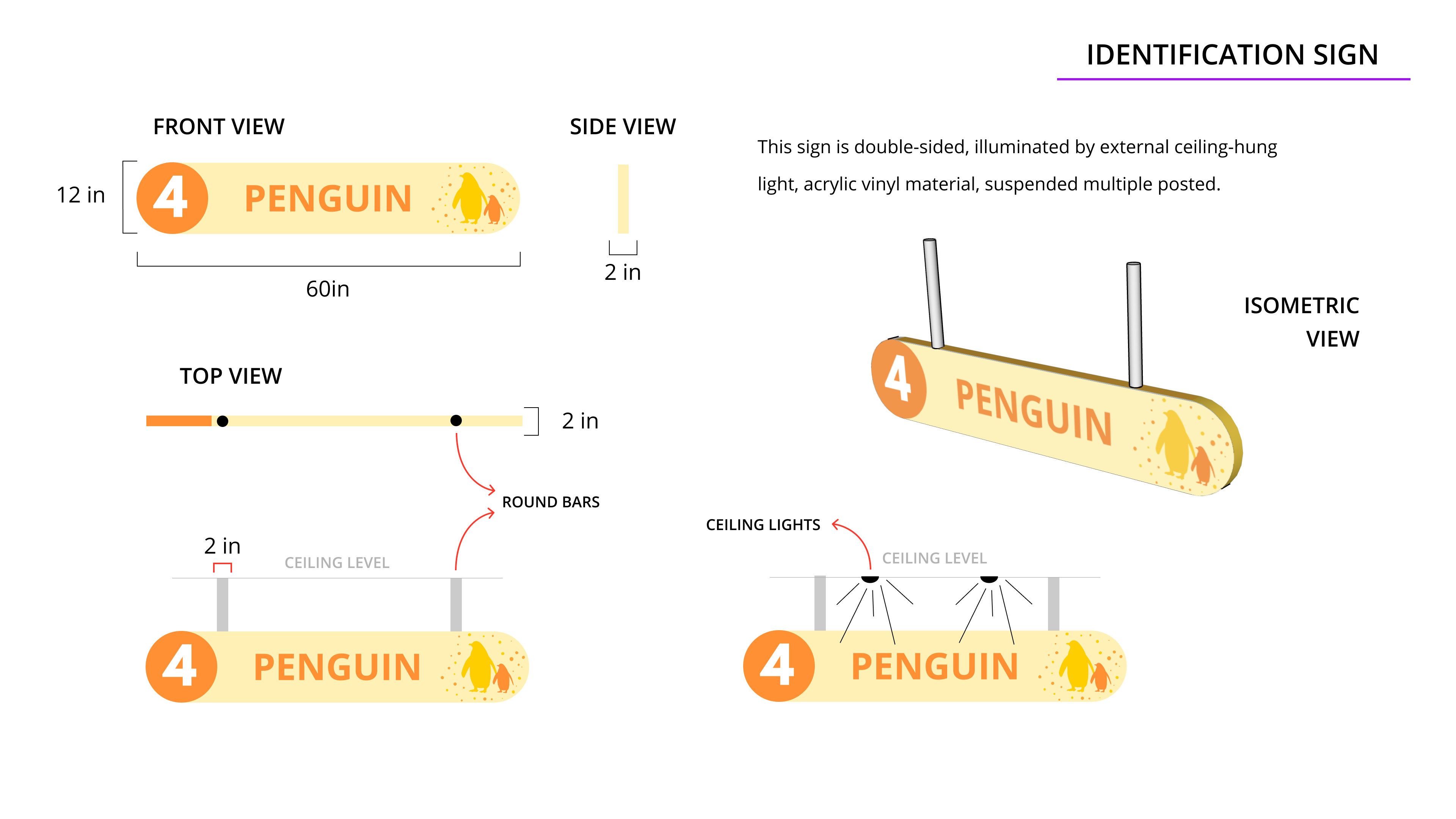
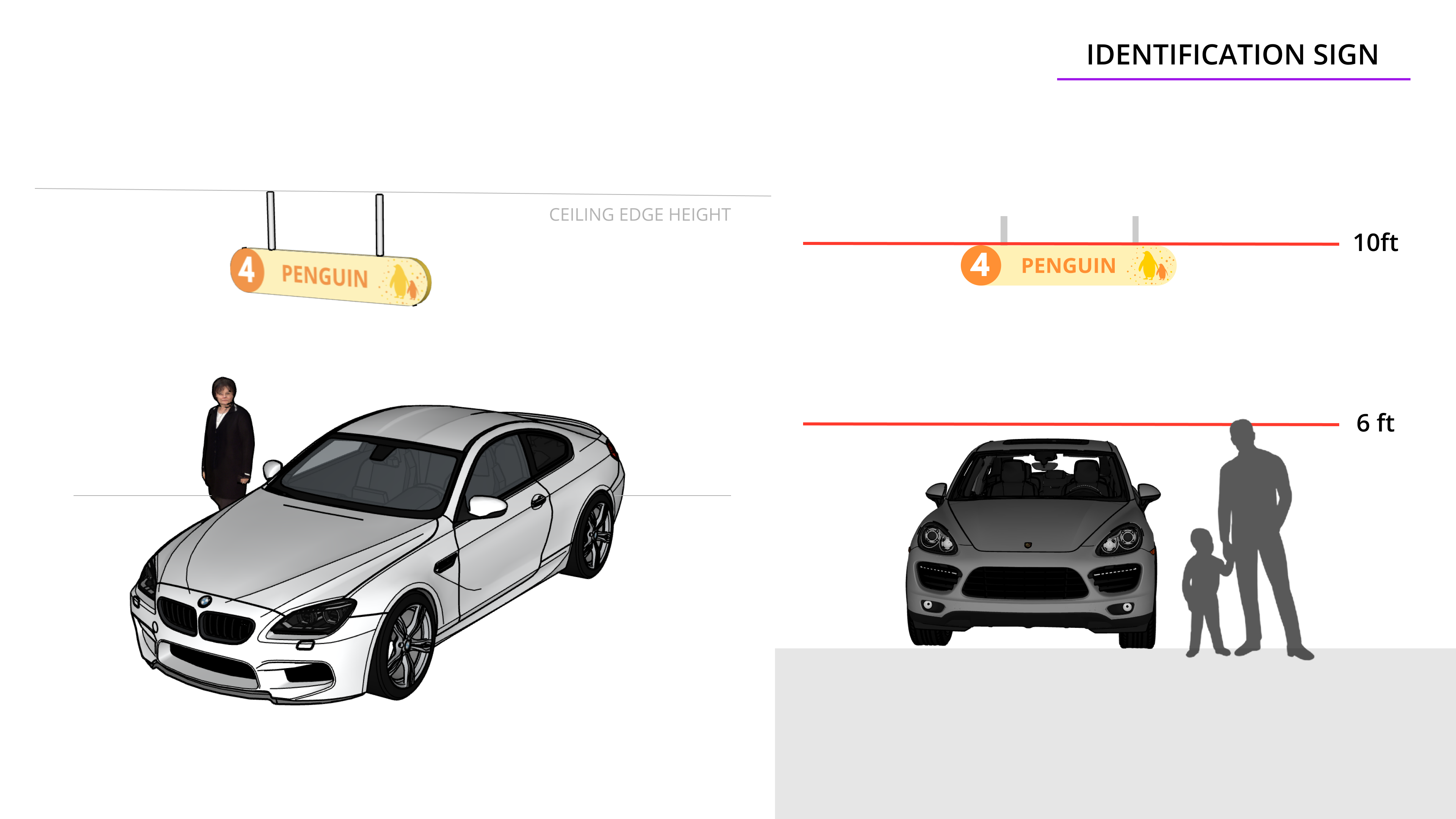
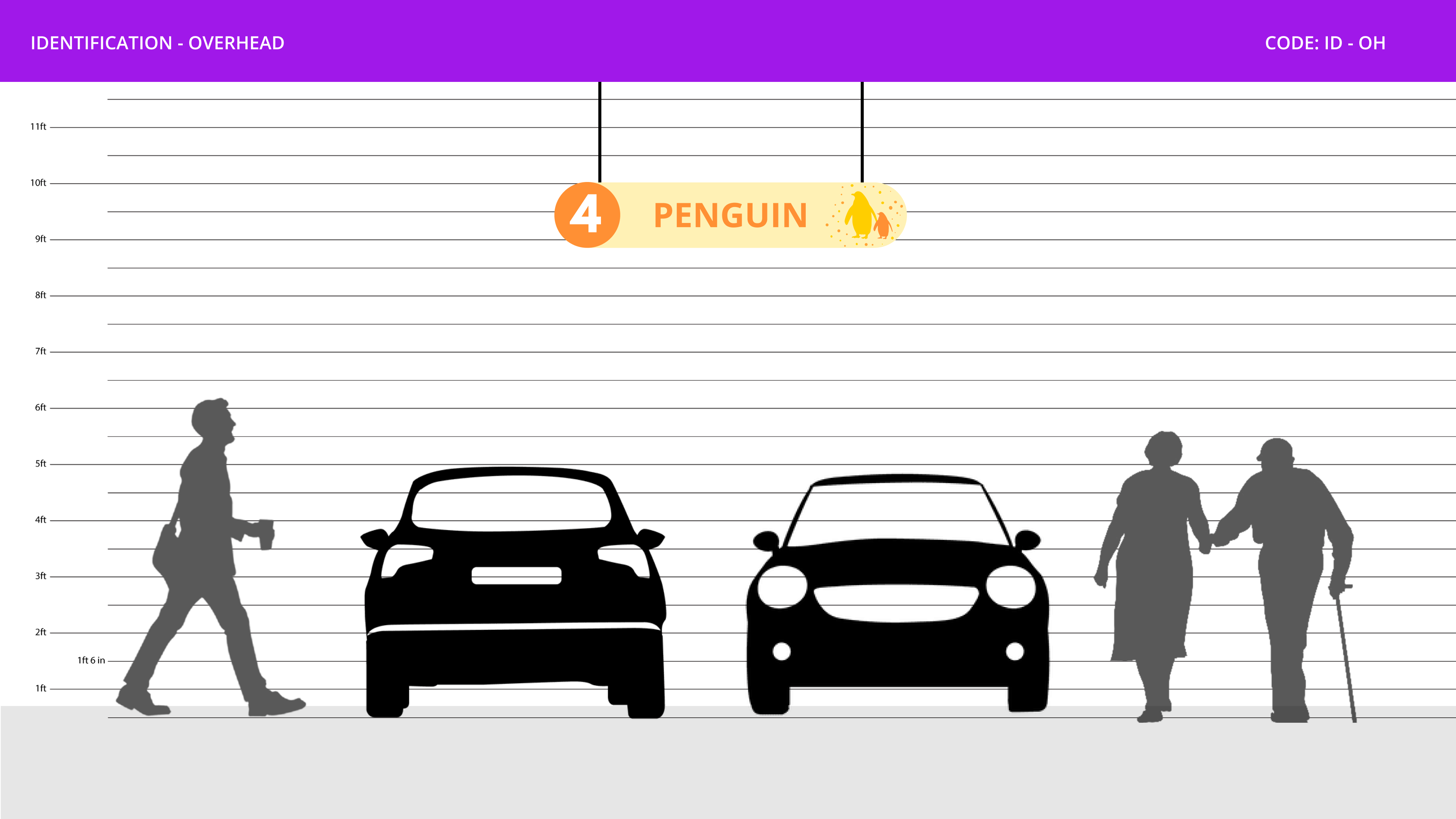
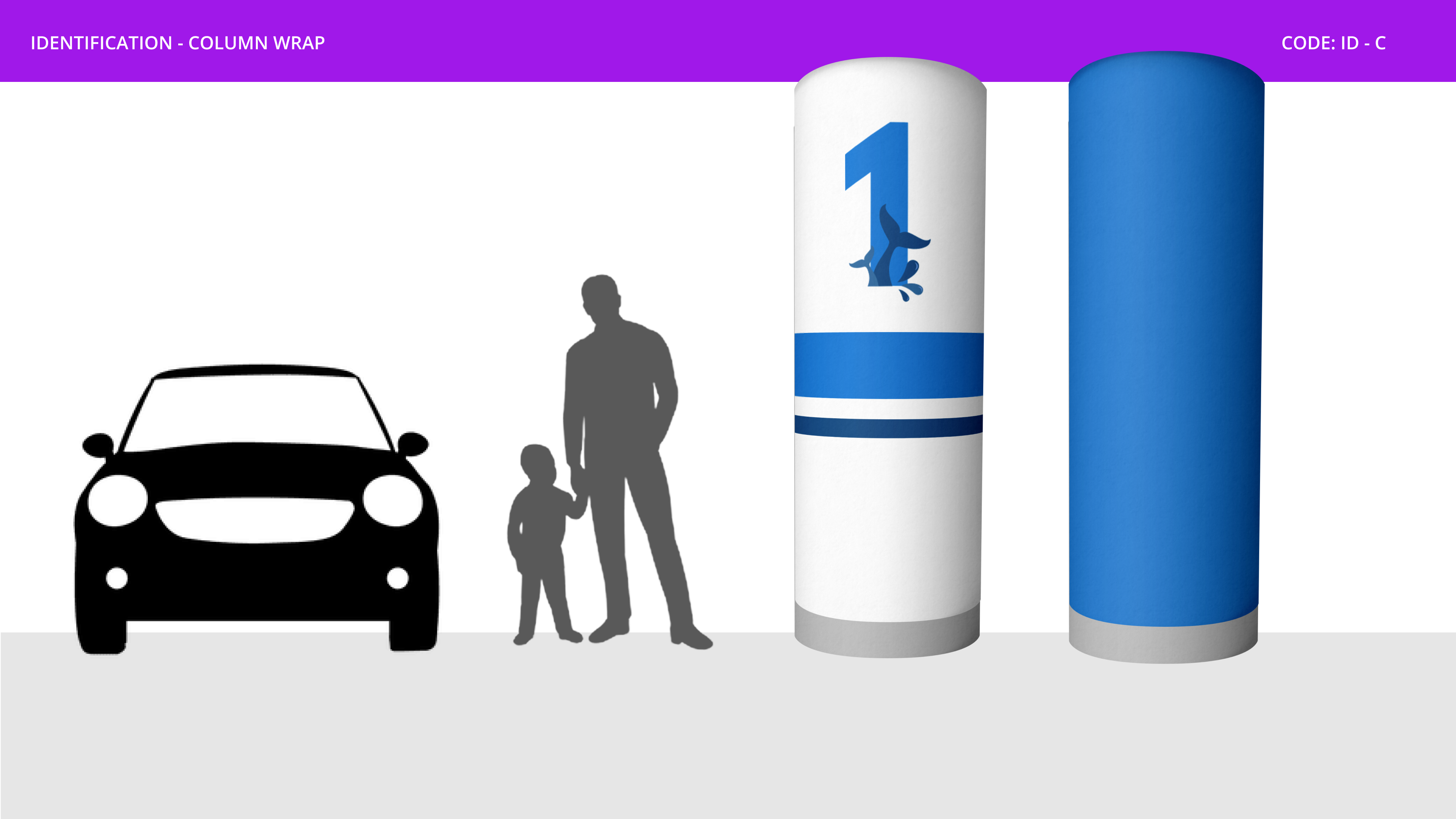
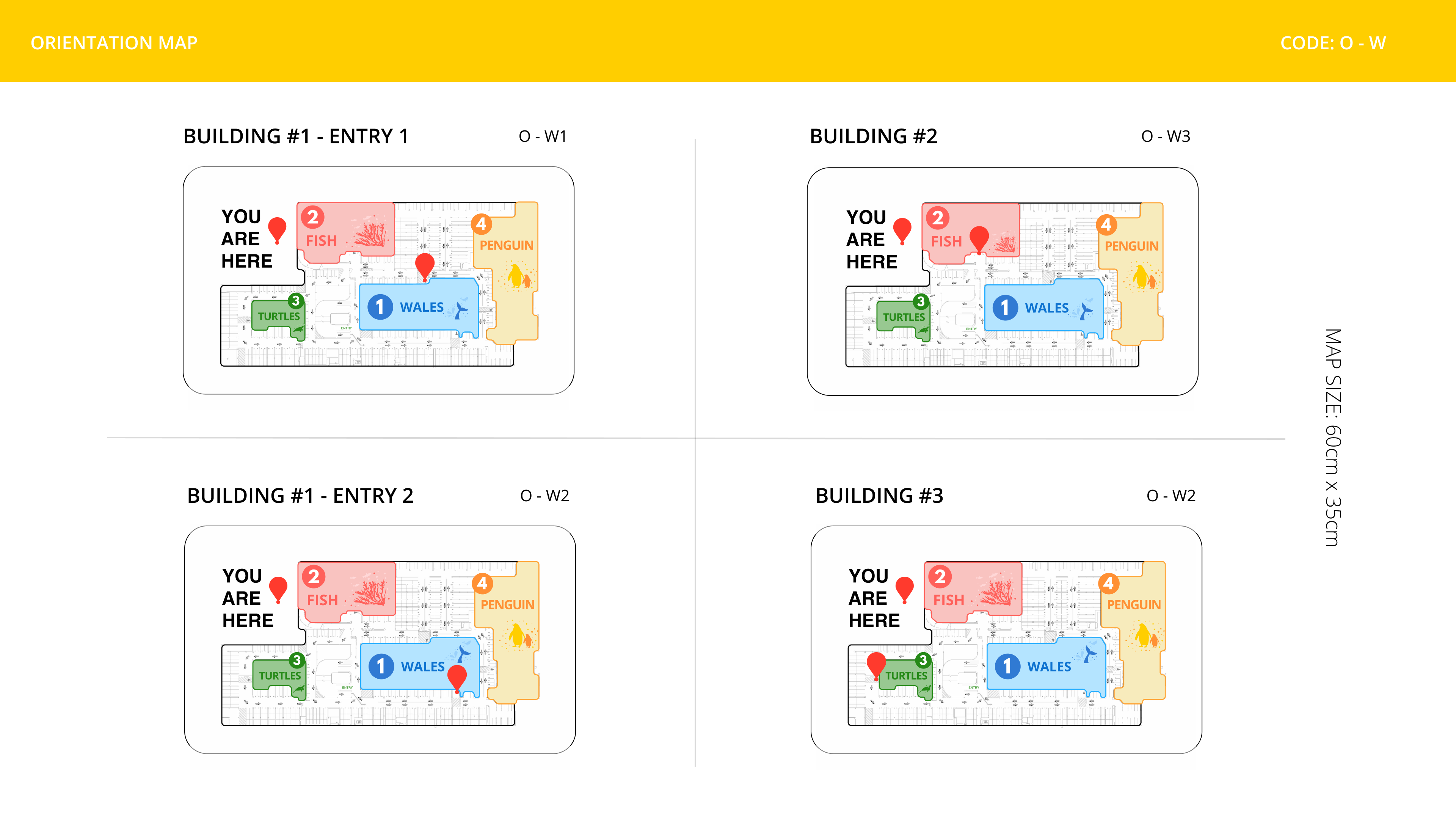
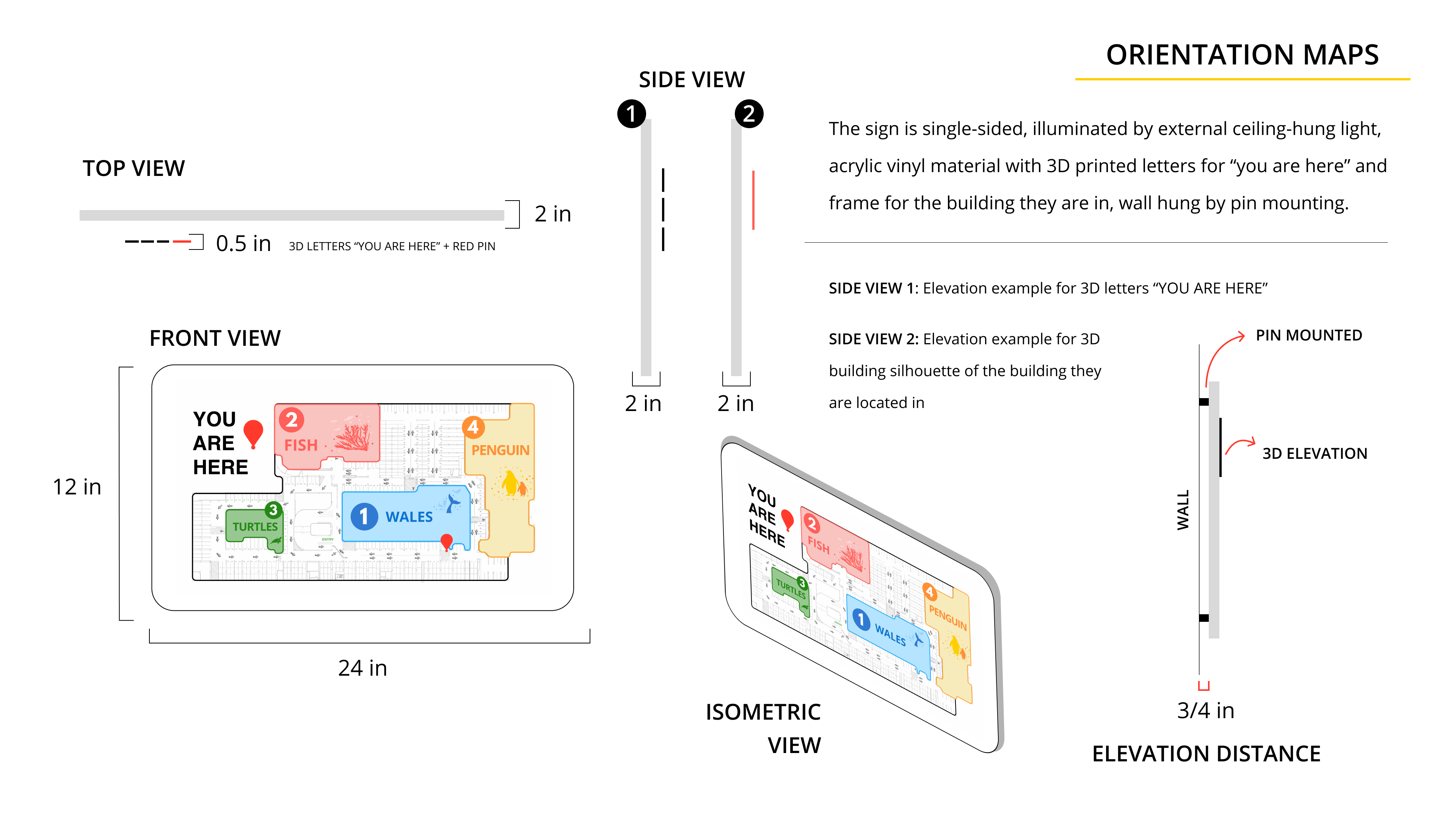
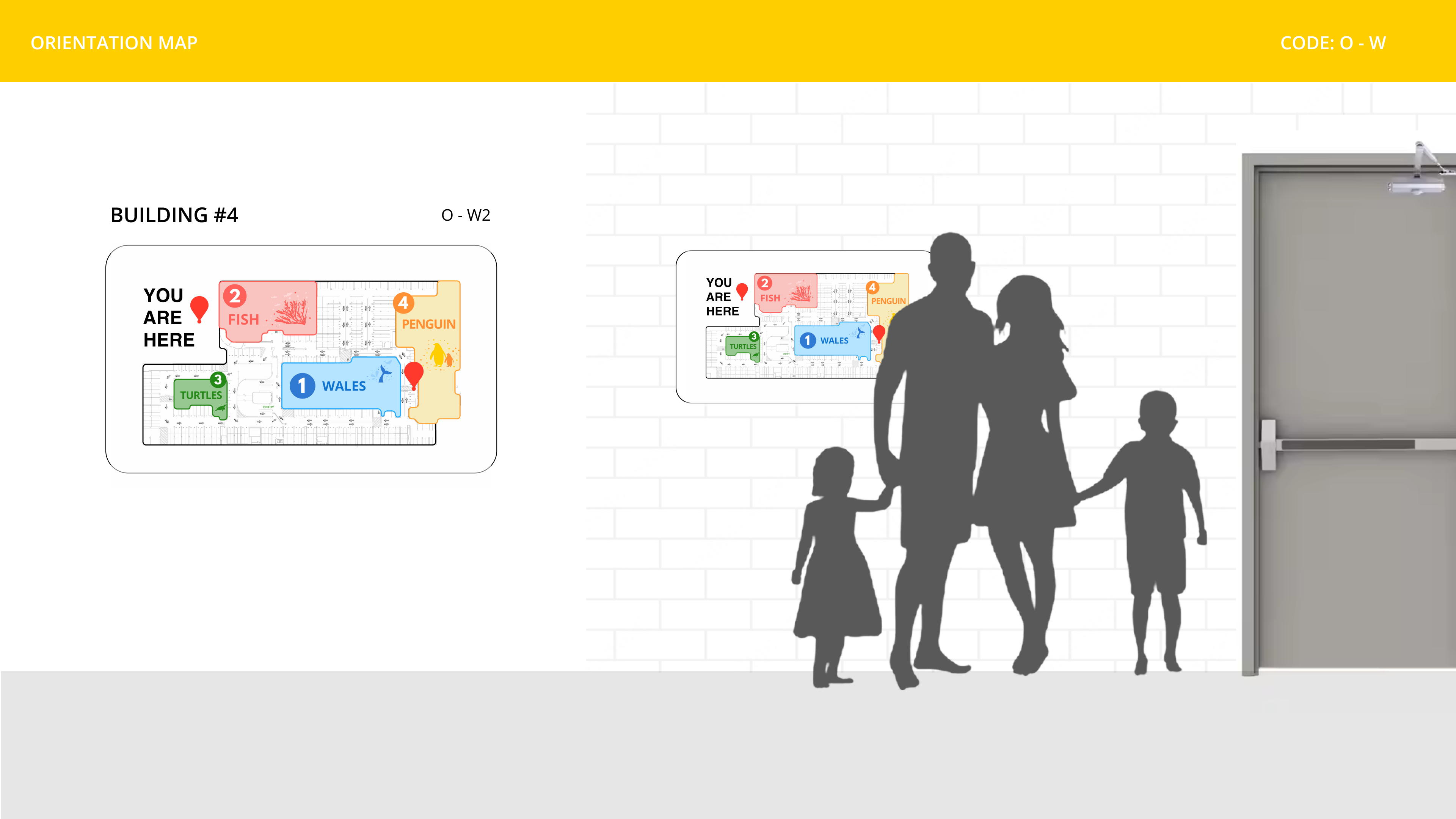
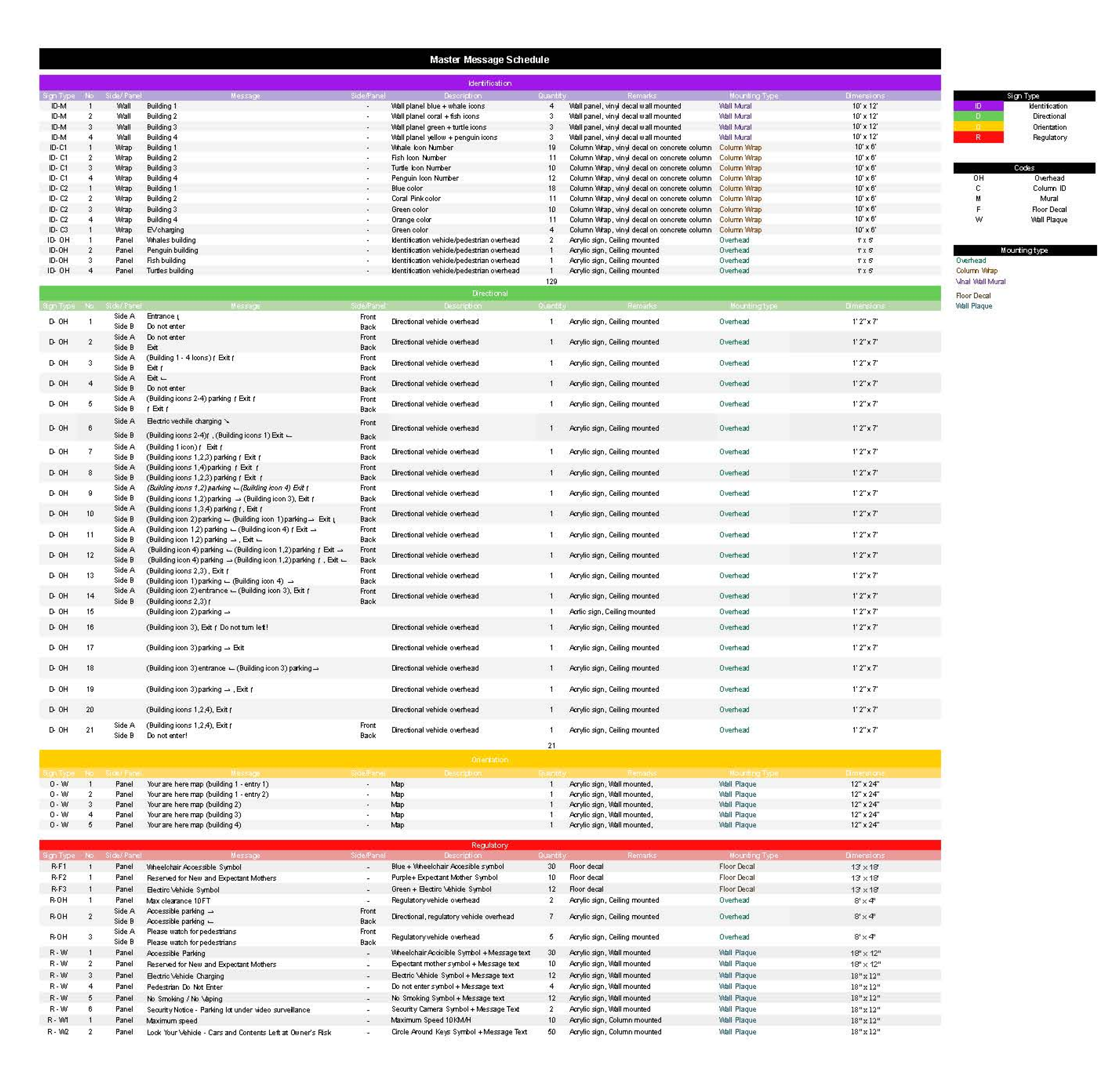
Final Slide Presentation
CREDITS
Created in collaboration with Emma Smith and Celina Soudani and under the guidance of GBC Professor Sanaz Vazirian.